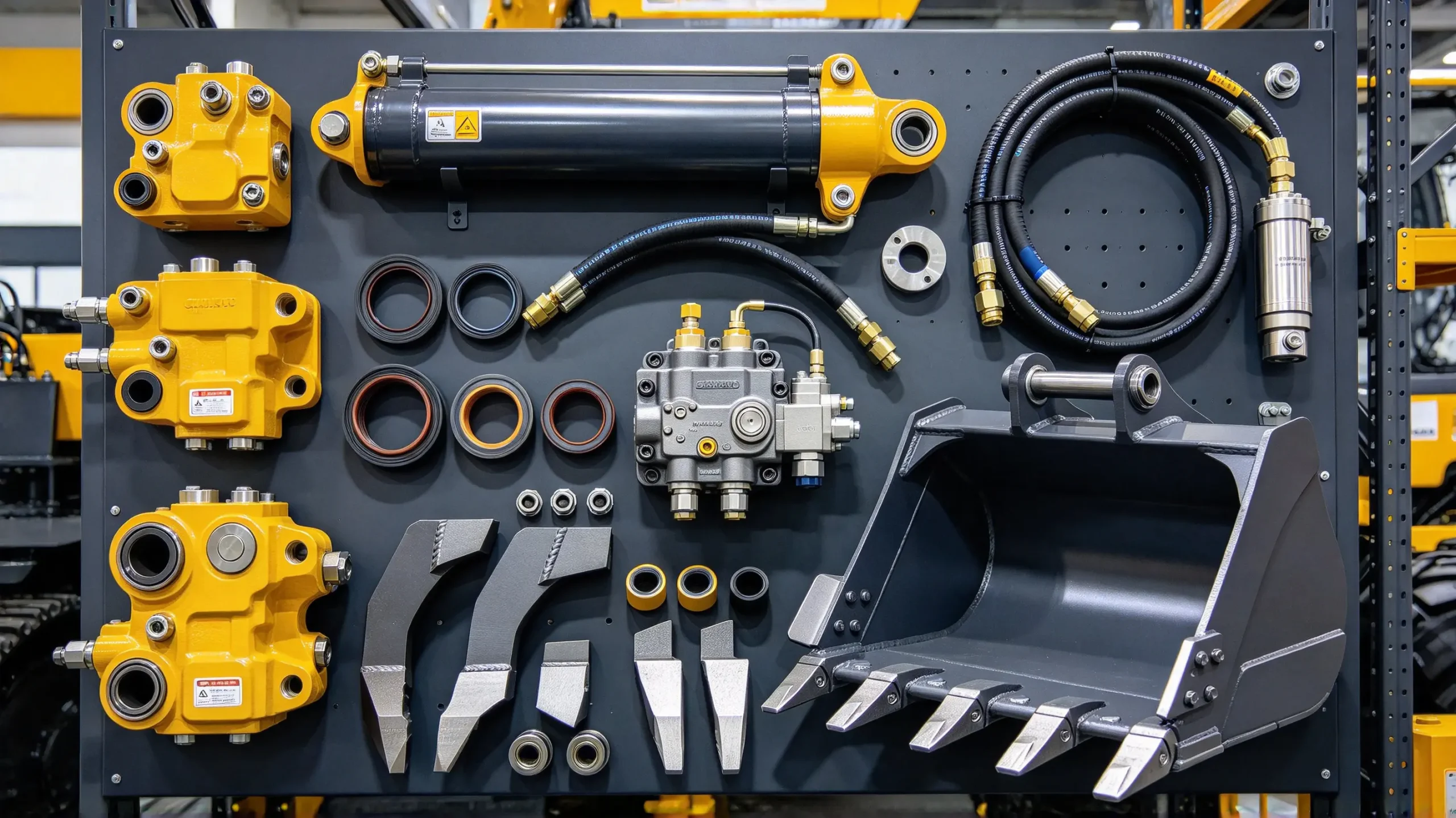


Offering comprehensive solutions in the field of supply of auto parts.
Today the company provides a full cycle of spare parts supplies to customers in dozens of countries around the world.
-
Dedicated and Experienced Team(more than 15 years)
-
Value for money
-
Fast Delivery
-
Convenient Payment via VTB
-
Large Assortment of Seasonal Products
-
Individual and Made Option for Dispatch
Since its establishment, the company has been adhering to the philosophy of "quality first, efficient service, customer first".


Jinan Metallid Auto Co.,Ltd
Our Q&A content
Quality services
Excellent service and advice from competent specialists with extensive experience. Convenient order processing by your personal manager in the shortest possible time. A large assortment of seasonal goods is always in stock.
10000
+Assortments of spare parts
98
%Service satisfaction


Excellent supplier, everything is fast! Well done! Good sales and adequate clients to you!

Alexander
Foreign Trade Manager
It’s a pleasure to work with this company! They constantly update their assortment and add new items. The product is of good quality, I recommend the supplier!

Dmitry
Manager
An excellent supplier, always promptly responds to email, quickly reserves goods/issues invoices and makes shipments, and what is very important, without re-sorting! This is a huge rarity!

Mikhail
Manager
First class support
Provide customers with the best purchasing choice
-
Fast delivery
-
Large selection
-
Quality guarantee
-
More than 15 years experience

Advanced production technologies and equipment
We are open to cooperation with international partners to create an efficient and sustainable auto parts market ecosystem.

Fast delivery
Efficient logistics and regularly updated warehouse stocks

Exhibitions
2024 Shanghai Frankfurt Auto Parts Exhibition

Exhibitions
2024 Moscow Auto Parts Exhibition

Exhibitions
2025 Moscow exhibition MIMs

Exhibitions
2025 Indonesian Exhibition

Exhibitions
2025 Saudi Arabia Exhibition

Certificate
Our honor
Our news
We are ready to offer Russian partners a wide range of products for various needs.
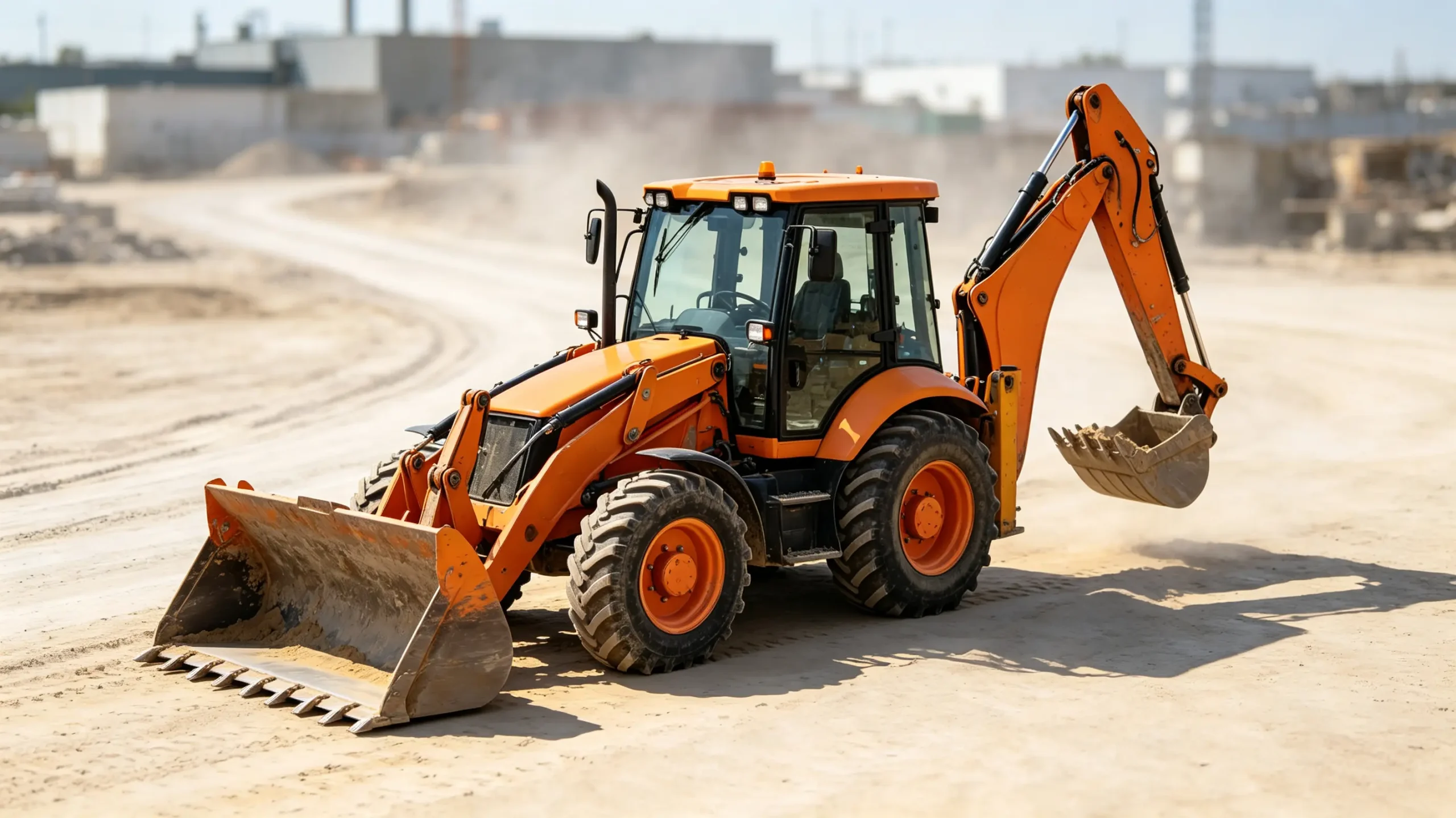
Spare parts for backhoe-front loader: selection, repair and maintenance of equipment
Contents What spare parts are required for an excavator-front loader How to choose the right spare parts according to the technical data of the machine Engine, transmission and drive axle parts Hydraulics and working equipment: diagnostics and replacement of parts How to determine the wear of spare parts before a serious breakdown Replacement of components and monitoring after repairs Purchasing spare parts for an excavator-front loader for business What spare parts are required for an excavator-front loader Spare parts for an excavator-front loader are necessary for scheduled maintenance, routine repairs and restoration of equipment after intensive use. Such a machine works with several functional systems at once, so when selecting components, it is important to take into account not only the name of the part, but also the specific unit, equipment modification, unit design and operating conditions. In practice, components can be divided into several main groups: engine parts, transmission elements, drive axles and gearboxes, hydraulic components, parts of working equipment, steering, braking systems, electrical equipment, cooling systems and consumables. The engine uses filters, gaskets, belts, fuel system elements, cylinder-piston parts, gas distribution components, pumps and other parts, depending on the specific design of the power unit. The transmission includes a large number of parts that operate under variable load. Repairs may require friction elements, bearings, seals, shafts, gears, torque converter elements and other components. The composition of the repair kit is determined by the design of the installed gearbox and the diagnostic results. Special attention must be paid to drive axles, gearboxes, hubs, axle shafts, bearings and seals. When operating on construction sites, quarries, industrial facilities and other areas, chassis parts are subject to significant mechanical loads. The working equipment also has its own group of wear parts. This includes cutting edges, bucket teeth, crowns, fingers, bushings, hinge elements and fastening parts. The degree of wear of these elements directly affects the efficiency of work operations. Group Main components What to check Engine Filters, gaskets, belts, CPG parts, pumps Wear, tightness, condition of working surfaces Transmission Gears, shafts, bearings, friction elements, seals Backlash, noise, pressure, oil condition Axles and gearboxes Bearings, axle shafts, gears, oil seals Backlash, heating, noise, leaks Hydraulics Pumps, cylinders, distributors, sleeves, seals Pressure, leaks, operating speed Working equipment Teeth, edges, pins, bushings, fastening elements Wear, gaps, deformations Electrical equipment Sensors, starters, generators, wiring Contacts, voltage, serviceability of circuits How to choose the right spare parts according to the technical data of the machine The main mistake when ordering components for special equipment is choosing only by the appearance of the part. Two parts may look almost identical, but have different dimensions, fits, threads, design, or performance characteristics. Therefore, it is advisable to select spare parts for an excavator-front loader based on a set of technical data. The first step is to determine the exact model of the machine. If one model was produced in several modifications, the serial number, year of manufacture and specific configuration are additionally checked. This is especially important for transmissions, axles, hydraulics and electronic components. If there is a catalog number on the part itself, it must be recorded before submitting the application. In the absence of a number, photographs of the part, the machine plate and its installation location are helpful. For complex units, it is advisable to provide several photographs from different angles. For engine parts, it is necessary to match not only the model of the forklift, but also the designation of the installed engine. The same machine, depending on the version, can be equipped with different power units. Therefore, ordering a part only by machine name may lead to incorrect selection. When selecting hydraulic system parts, additional checks include component type, connections, dimensions, port locations, and design. For hydraulic cylinders, geometric dimensions and fastening characteristics are important, and for pumps and distributors, compliance with a specific hydraulic system is important. For transmissions and axles, it is important to establish the exact modification of the unit. The machine number itself is not always a sufficient identifier for an individual node. When repairing a gearbox, it is necessary to determine its design and select components specifically for the installed version. The practical selection algorithm is as follows: determine the model and modification of the machine; record the serial number; determine the node in which the part is installed; find the catalog number, if available; compare dimensions and design; if necessary, provide a photograph of the old part; check compatibility before placing an order. This approach is especially important when purchasing components for a fleet where several vehicles of the same series are operated simultaneously. Even a small difference in configuration can change the required position. Parts of the engine, transmission and drive axles The power unit is one of the most important components of special equipment. The operation of the hydraulic system, the movement of the machine and the performance of work operations depend on the condition of the engine. Therefore, when signs of a malfunction appear, it is important to determine the specific cause, and not change parts without diagnostics. If the engine begins to operate unstably, loses power, the consumption of operating fluids increases, or extraneous noise appears, it is necessary to check several systems sequentially. The cause may be in the fuel system, air supply system, cooling, lubrication or directly in the mechanical part of the engine. When repairing an engine, gaskets, seals, filters, elements of the cylinder-piston group, parts of the gas distribution mechanism and other components are used. The specific list is determined by the results of disassembly and measurements. It is not recommended to change an expensive unit based only on one external symptom. For example, a drop in engine power does not in itself prove wear of the cylinder-piston group. Before replacing parts, it is necessary to check the available parameters and eliminate malfunctions of other systems. Transmission The front loader transmission operates with constant load changes. The machine can move with a load, perform maneuvers in a limited area, operate at low speed and change direction many times. Therefore, the condition of the gearbox, torque converter, drives and axles is of great importance. Signs that your transmission needs diagnostics may include unusual noise, difficulty shifting into gear, changes in the vehicle's shifting behavior, slippage, or fluid leaks. However, each of these signs can have several causes. When repairing, it is necessary to identify the faulty element and check the condition of the associated parts. If the bearing operates with increased play, it is advisable to simultaneously check the seat, shaft and adjacent elements. Simply installing a new bearing without eliminating the cause of premature wear does not solve the problem. Drive axles and gearboxes When diagnosing axles, pay attention to noise during movement, heating of the housing, the presence of metal particles in the oil, play and the condition of the seals. If a leak is detected, it is necessary to determine the location of the oil outlet and check the condition of the oil seal, shaft and seating surface. Components for the gearbox should be selected taking into account the specific design of the unit. Gears, bearings and other elements must match each other in size and design. Hydraulics and working equipment: diagnostics and replacement of parts The hydraulic system ensures the operation of the boom, bucket and other working mechanisms. Therefore, spare parts for hydraulic front-end loaders require particularly careful selection. Major components include hydraulic pumps, distributors, hydraulic cylinders, high pressure hoses, connections, valves, filters and seals. The failure of one element can affect the operation of the entire system. If the boom rises slower than usual, the bucket loses speed, or the work equipment begins to move jerkily, it is necessary to check the level and condition of the working fluid, filtration, leaks and operation of the hydraulic components. External oil leakage is an obvious sign of a leak, but the absence of an external leak does not mean that the hydraulic system is fully operational. Internal leaks can also reduce the efficiency of hydraulic cylinders or other components. When repairing a hydraulic cylinder, it is necessary to check the condition of the rod, cylinder, guides and seals. If you replace only the seal kit when there is damage to the rod sealing surface, the problem may reoccur. Working equipment The bucket and its fastening elements are in the zone of constant contact with the material. Teeth, cutting edges, pins and bushings gradually wear out. With significant wear, the gaps in the joints increase, the geometry of the working equipment deteriorates and the load on the mating parts increases. The pins and bushings of the hinge joints should be checked together. If the bushing has significant wear, installing a new pin without checking the mating surface may not give the desired result. When replacing a cutting edge or teeth, it is necessary to check the condition of the fasteners. Loose connections can lead to accelerated wear of both the part itself and the seat. How to determine the wear of spare parts before a serious breakdown Regular diagnostics allows you to detect a problem before the machine stops completely. For equipment that is used in the production process, this is especially important, since downtime can disrupt the work schedule. The inspection should begin with a visual inspection. Look for signs of leaks, cracks, deformations, damaged fasteners, loose connections and unusual signs of wear. The next step is to check the performance characteristics. If the machine becomes slower to perform a normal operation, the reaction time of the work equipment increases, or jerks occur, you need to determine whether this is due to hydraulics, mechanical parts, or controls. Symptom What to check Possible diagnostic direction Oil leakage Connections, seals, housing Determining the location of the leak Noise during movement Axles, gearboxes, transmission Backlash, bearings, oil condition Slow hydraulic operation Pump, filter, valves, fluid level Checking the hydraulic system Backlash of working equipment Pins, bushings, hinges Measuring gaps and condition of seats Overheating of the unit Cooling and lubrication system Finding the cause temperature rise Unstable engine operation Fuel system, air, cooling Consistent engine diagnostics Regular monitoring is of particular importance. Inspecting only after a serious problem has occurred turns routine maintenance into emergency repairs. For enterprises with several pieces of equipment, it is advisable to keep a maintenance log, which records the work performed, components replaced and defects identified. Replacement of components and control after repair High-quality replacement of a part includes not only the removal of the old component and installation of a new one. Before installation, it is necessary to check the condition of the seat, associated elements and fasteners. For example, when replacing a seal, you need to make sure that the working surface has no damage that could quickly render the new element unusable. When installing the bearing, it is necessary to check the shaft and seat. When repairing a hydraulic unit, it is necessary to maintain cleanliness, since contaminants can get inside the system. After installing a new part, a control check is performed. For mechanical components, backlash, noise and smooth operation are assessed. Hydraulic components are checked for leaks and correct operation. After engine repair, the operating parameters and stability of its operation are monitored. When replacing elements of working equipment, it is necessary to check the fastening and the absence of excessive gaps. If the repair involves hinge joints, not only the new part is checked, but also the condition of the mating surfaces. Separately, it is necessary to take into account the correct tightening of fasteners. Too loose a connection can cause the part to move during operation, and over-tightening can damage the threads or the fastener itself. After completing the repair, it is advisable to first test the machine without a full working load. Then a sequential increase in load is performed while monitoring the behavior of the repaired node. Purchasing spare parts for an excavator-front loader for business For enterprises operating construction and special equipment, the purchase of components should take into account not only the price of an individual part. Compatibility, re-delivery, completeness of the order and suitability of the part to the specific machine are important. When submitting an application for spare parts for a front-end loader, it is recommended to immediately provide as much technical information as possible. This reduces the number of clarifications and reduces the likelihood of selection errors. An integrated approach is especially convenient for B2B clients. Instead of ordering individual parts immediately after a breakdown, you can pre-generate a list of consumables and the most popular components for a specific fleet of equipment. This list may include filters, seals, belts, fasteners, work equipment parts and other items that are regularly used during maintenance. It is advisable to order more expensive units and critical parts after confirming the specific malfunction and compatibility. When choosing a supplier, it is necessary to clarify how the selection is carried out: by model, serial number, catalog number, photograph or technical parameters. For complex nodes, the most reliable way is to match several identifiers at the same time. It is also important to separate planned purchases and emergency repairs. For scheduled maintenance, you can pre-generate a set of necessary consumables. In the event of an emergency failure, the priority becomes accurate diagnosis and selection of exactly the part that eliminates the identified cause of the failure. For wholesale buyers and service organizations, product stability is important. If an enterprise regularly services certain models of equipment, it is convenient to maintain its own database of previously installed parts, indicating the machine model, serial number, unit and catalog number of the component. This approach helps reduce the risk of repeated errors during subsequent purchases and speeds up the preparation of the application. As a result, the choice of components for special equipment should be built not only around a search query or the external similarity of a part. Accurate selection begins with identification of the machine and specific component, continues with compatibility testing and ends with post-installation inspection. Spare parts for an excavator-front loader must correspond to the purpose of the specific machine and its operating conditions. Different selection criteria apply for the engine, transmission, axles, hydraulics and operating equipment. The more accurately the model, modification, serial number and parameters of the installed unit are determined, the lower the likelihood of an error during procurement and subsequent equipment downtime.
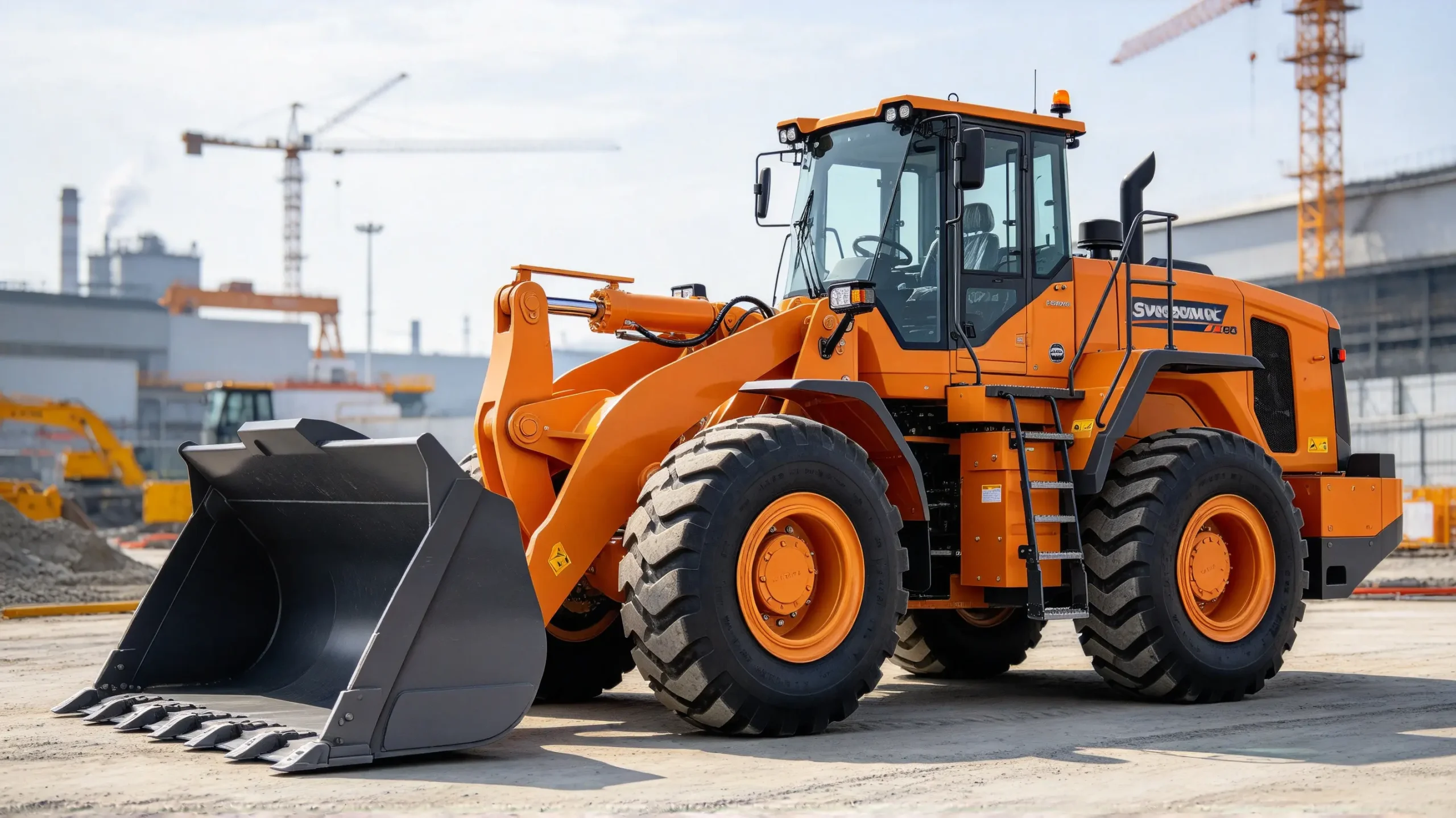
Spare parts for front loaders: selection, repair and maintenance
Contents What spare parts are used in front-end loaders How to determine the right spare part before purchasing Spare parts for the engine and cooling system Components for transmissions, axles and chassis Hydraulic spare parts and work equipment Electrical equipment, brakes and steering How to organize the purchase of spare parts for a front-end loader Spare parts for front-end loaders are necessary for scheduled maintenance, routine repairs and restoration of individual units of special equipment. A front-end loader operates with a variable load, so the engine, transmission, axles, hydraulic system, work equipment and other elements of the machine are gradually subject to wear. At the same time, the selection of components cannot be reduced only to searching for a part by name. The same category of spare parts may include several design options intended for different models or modifications of loaders. Therefore, before placing an order, it is necessary to determine the specific machine, unit and, if possible, the part number. The range of spare parts for front loaders includes engine, transmission and axle components, hydraulic elements, brake and steering system parts, work equipment, filters, seals, bearings, pins, bushings and other components. :contentReference[oaicite:0]{index=0} What spare parts are used in front loaders A front loader consists of several functional systems. For ease of selection, spare parts are usually divided according to their belonging to a specific unit. Engine This category includes parts of the cylinder-piston group, gas distribution mechanism elements, gaskets, seals, bearings, pumps, fuel system parts and other engine components. When repairing an engine, it is necessary to take into account its specific modification. Even if two cars have similar technical specifications, the installed powertrain may differ, so internal parts should be selected according to the engine data. Transmission The transmission includes the gearbox, torque converter, cardan drive and other torque transmission elements. Repairs may require individual gears, friction elements, bearings, seals, shafts and other parts. Drive axles Axles use main gears, differentials, axle shafts, gearboxes, bearings, oil seals and other components. If noise, play or leakage is detected, the specific source of the problem must be determined. Hydraulic system Hydraulics are responsible for the operation of the boom, bucket and other mechanisms. Depending on the machine design, the main components include hydraulic pumps, hydraulic cylinders, distributors, high-pressure hoses, connections and seals. Working equipment The bucket and its connections have their own wearing parts. Depending on the design, these may be teeth, cutting edges, pins, bushings, fastening elements and other parts. Filters and Maintenance Items A separate group includes filters, belts, gaskets, seals and other parts that can be used during routine maintenance. This division allows you to quickly determine the required group of components and create a repair request. How to identify the right spare part before purchasing Correct identification of the part is one of the main stages of purchasing. An error at this stage may result in an incompatible part being received and a re-order. To select spare parts for front loaders, it is advisable to prepare the technical data of the machine. loader model; serial number; engine model; gearbox model; data of the specific unit being repaired; part catalog number; photograph of the part; photograph of the marking; description of the malfunction. If the part has a catalog number, it should be indicated in the application. If the number is missing or difficult to read, additional information can be obtained from the machine nameplate and a photograph of the installed component. Particular care must be taken when working with engine parts, gearboxes, drive axles and hydraulic pumps. The external similarity of the two components does not yet confirm their interchangeability. For B2B clients, a convenient solution is to create a technical card for each piece of equipment. It can store the car model, serial number, engine and transmission data, repair history and used catalog numbers. When purchasing again, such a database greatly simplifies the preparation of the application and reduces the likelihood of errors. Spare parts for the engine and cooling system The engine is one of the main units of a front loader. If it malfunctions, the machine may completely lose the ability to perform work operations. However, the same symptom does not always mean the same cause. For example, loss of power may be due to the fuel system, air supply system, engine condition, or other components. Therefore, before purchasing parts, it is necessary to carry out diagnostics. If increased oil consumption is detected, the condition of the relevant engine components is checked. If wear of the cylinder-piston group is suspected, it is necessary to evaluate the condition of the pistons, rings, cylinders and mating surfaces. When repairing a cylinder head, it is necessary to check not only the gasket, but also its contact surfaces. A new gasket will not eliminate the cause of the problem if the problem is related to damage to the mating parts. The cooling system also requires comprehensive monitoring. If overheating occurs, check the coolant circulation and the condition of the relevant system components. Depending on the design of the machine, these include the radiator, water pump, thermostat, pipes and connections. Therefore, buying a separate component only on the basis of the sign “the engine is overheating” is not always rational. First you need to determine the cause, and then determine the required spare part. Transmission, axle and chassis components The front loader transmission operates under frequent load changes. The machine can accelerate, stop, change direction and simultaneously work with a load. If extraneous noise, vibration, difficult switching or other changes occur, it is necessary to determine the specific component that requires inspection. When repairing a transmission, it is important to consider the condition of the mating components. If one element shows significant wear, it is necessary to check the parts that work with it. This approach allows us not to be limited to replacing one part when the cause of repeated failure may be the condition of another element. Drive axles also require comprehensive diagnostics. If play or extraneous noise is detected, the corresponding elements of the main gear, differential, axle shafts, bearings and seals are checked. When repairing the chassis, bearings, connections, bushings and other mechanical elements are checked. Particular attention must be paid to parts that operate under constant load. For businesses operating multiple machines, it is useful to separate transmission and chassis spare parts for each specific model. This avoids mixing components and simplifies inventory control. Hydraulic Parts and Operating Equipment The hydraulic system is an important part of a front loader because it powers the boom and bucket. It consists of various pumps, cylinders, distribution elements, hoses, connections and seals. :contentReference[oaicite:1]{index=1} When a leak occurs, you must first determine where it occurs. If the hose is damaged or the tightness of the connection is broken, replacing the hydraulic pump will not solve the problem. If the bucket rises slowly or the movement becomes uneven, diagnostics should be carried out sequentially. Check for external leaks. Inspect the high pressure hoses. Check connections. Inspect the accessible elements of the hydraulic cylinders. Check the corresponding elements of the hydraulic circuit. If necessary, diagnose the pump and distribution equipment. Work equipment also needs to be checked regularly. With intensive use, the bucket teeth, cutting elements, pins and bushings gradually wear out. If significant play appears in the hinge joint, it is advisable to check the condition of all mating parts. Replacing only one component when the remaining elements are severely worn may not give the desired result. When ordering parts for working equipment, it is advisable to indicate the model of the loader and provide information about the specific working element. A photograph of the old part may further assist in identification. Electrical, Brakes, and Steering The electrical system of a front loader includes the power supplies, starter, alternator, sensors, switches, relays, lights, and other components. If you have problems starting the engine, you should not immediately replace the starter. The battery system, connections, cables and other electrical components must be checked to determine the actual cause of the problem. The same principle applies to sensors. If the device readings differ from those expected, you must first check the circuit itself and the operating conditions of the sensor, and then decide whether to replace it. The brake system requires special attention during maintenance. If the braking efficiency changes or other signs of malfunction appear, it is necessary to diagnose the corresponding mechanism and associated elements. The steering must also be checked comprehensively. Backlash, force variation, or erratic machine response requires determination of the specific cause rather than simply replacing a random component. For businesses that use front loaders on a daily basis, it is advisable to include inspection of these systems as part of regular maintenance. How to organize the purchase of spare parts for a front loader The purchase of spare parts for front loaders for one owner and for a large enterprise has a different organization. In the B2B segment, it is important not only to purchase a separate part, but also to ensure a stable technical supply for the fleet. It is convenient to divide components into three categories. Scheduled Maintenance Parts These are parts and consumables that can be needed in advance. It is convenient to link their purchase to the maintenance schedule for each machine. Spare parts for routine repairs These items are purchased after a malfunction occurs. The main condition here is accurate diagnosis and correct identification of the part. Spare parts for restoring components When repairing an engine, transmission, axles or hydraulic equipment, it is advisable to draw up a list of parts after troubleshooting. This allows you to determine the state of all associated components. What should be in the application To speed up the selection, it is recommended to indicate in the application: the model of the front loader; machine serial number; engine model; transmission model; name of the required part; catalog number, if known; quantity; photograph of the part; description of the malfunction. The more accurate the initial data, the less likely it is to select an incompatible component. Checking the spare part before installation After receiving the part, you need to check its compliance with the application. Depending on the type of component, the catalog number, design, dimensions, fastenings, connections and other features are monitored. For critical nodes, it is advisable not to limit yourself to visual comparison. Compatibility must be confirmed using the technical data of a specific machine or unit. Purchasing for wholesale and corporate clients For wholesale buyers, service organizations and enterprises with their own fleet of equipment, it is convenient to create separate lists of spare parts for loader models. For example, one list may contain items for scheduled engine maintenance, another - hydraulic parts, and a third - transmission and axle components. This approach makes purchasing and inventory planning easier. Urgency also needs to be taken into account. Parts for a stopped machine require more rapid selection, while components for scheduled maintenance can be ordered in advance. When using a front loader regularly, it is important to analyze not only the fact of a part failure, but also the reason for its wear. If the same component regularly requires replacement, it is necessary to check the operating conditions, installation, condition of associated parts and maintenance regime. Thus, spare parts for front loaders must be selected not only by name, but also by the specific model of the machine, the installed unit and catalog data. For an engine, accurate identification of the power unit is important, for a transmission - a model of the box and associated components, for hydraulics - a specific circuit and component, and for working equipment - the design of the installed mechanism. Competent procurement organization includes four main stages: diagnostics, identification, selection and testing of components before installation. This procedure reduces the likelihood of error, reduces repeat orders and makes front loader maintenance more predictable. For B2B clients, wholesale buyers and service organizations, it is especially important to have systematized information on each piece of equipment. Model, serial number, engine and transmission data, catalog numbers of previously installed parts and repair history allow you to quickly generate subsequent requests. As a result, spare parts handling becomes part of the overall maintenance system, rather than a one-time purchase after a malfunction occurs.