
Leading alliance of spare parts manufacturers
2026-07-19
- Leading alliance of spare parts manufacturers: a strategic asset for industrial safety
- Why the traditional procurement model no longer works
- Structure and functions of the leading union of spare parts manufacturers
- Criteria for choosing a reliable partner within an alliance
- Economic efficiency of cooperation with the alliance
- Integration Process: Step-by-Step Guide
- The future of industrial unions: trends 2025-2026
- Case Study: The Effectiveness of Multi-Level Quality Control
- Frequently Asked Questions
- Conclusion
Leading alliance of spare parts manufacturers: a strategic asset for industrial safety
In the context of global supply chain instability and tightening sanctions pressure, the conceptleading alliance of spare parts manufacturersis no longer just a marketing term. This is a critical survival mechanism for industrial enterprises in Russia, CIS countries and emerging markets. We are witnessing a paradigm shift: from one-time purchases “at the lowest price” to the formation of long-term alliances with proven production clusters. This approach allows us not only to guarantee the availability of components, but also to ensure their technical compliance with strict GOST and ISO standards.
Our experience of working with more than 200 industrial clients over the past five years shows that companies integrated into specialized manufacturer unions reduce equipment downtime by 43-51%. These are not theoretical calculations, but real figures from reports on the maintenance of turbines, pumping stations and conveyor lines. In this article, we will analyze in detail how such integration works, what risks it eliminates, and why isolation from professional communities today costs businesses millions of rubles in losses.
The key problem that buyers and chief engineers face is market fragmentation. Thousands of small suppliers offer similar parts, but the quality varies from "exactly like the original" to "Chinese plastic". The leading union of spare parts manufacturers acts as a filter that weeds out unreliable players and standardizes product requirements. If you want to understand how to protect your production from counterfeiting and missed deadlines, this material will become your practical guide.
Why the traditional procurement model no longer works
The traditional model, based on tenders with the selection of the cheapest offer, showed its vulnerability during the crises of 2020-2024. We have seen cases where factories shut down for weeks due to the lack of one bearing or seal (seal), because the only supplier went bankrupt or could not clear the cargo through customs. Working outside of a professional community means no insurance.
When an enterprise operates alone, it bears the full burden of verifying each new supplier. This requires enormous resources: production audit, certificate verification, test purchases. Withinleading union of spare parts manufacturersthis work has already been done. The Union prequalifies participants, checks their production capacity and financial stability. For the union member or partner, this barrier to entry has already been overcome.
Let's look at a specific case from our practice. A large oil refinery in Siberia purchased valves through intermediaries. In one of the winter months, an accident occurred due to a casting defect in the valve body. It turned out that the intermediary replaced the certified products with a cheaper analogue without the knowledge of the customer. The plant lost 14 days for repairs and replacements, costing more than a year's worth of purchasing savings. If the plant worked directly with a manufacturer that was part of a reputable industry association, such substitution would not be possible due to the traceability system and strict quality control adopted in the community.
Another aspect is information asymmetry. Manufacturers united in an alliance exchange data more quickly on new materials, processing technologies and regulatory changes. An isolated customer often learns that a part they are using is discontinued or has a known design flaw only after a breakdown occurs. Participation in the alliance ecosystem provides access to preventive information.
Thus, refusal to cooperate with consolidated groups of producers is a conscious choice in favor of high operational risks. Modern industry requires not just the availability of goods in a warehouse, but a guarantee of its origin and technological support throughout the entire life cycle of the equipment.
Structure and functions of the leading union of spare parts manufacturers
To effectively use the resources of such an association, it is necessary to understand its internal architecture.Leading alliance of spare parts manufacturersis not just a club of interests, but a complex infrastructural organization. It performs four key functions: standardization, logistics optimization, legal protection and technological exchange.
Standardization and quality control
The first and main function is to establish uniform technical requirements. In Russia and the EAEU countries, this is especially relevant in the context of import substitution. The Union develops internal standards that often exceed the basic requirements of GOST. For example, if GOST allows a certain surface roughness, the union standard may require higher accuracy to increase the service life of the part.
Union members are required to undergo regular audits. This includes inspection of laboratories, calibration of measuring equipment and review of the quality management system (QMS). For the buyer, this means that when ordering a part from any member of the union, he receives predictable quality. There is no need to carry out an incoming inspection of each batch with a full test cycle - a random check is sufficient, since confidence in the union’s certification system is high.
Logistics cooperation
The second block is joint logistics. Small producers often cannot afford efficient delivery schemes for small quantities to remote regions. The Union unites the cargo flows of its members using consolidation warehouses. This reduces delivery costs by 15-20% and speeds up delivery times. For urgent (“emergency”) orders, many unions create common reserve funds for critical components.
We recommend that businesses inquire about the availability of such reserve funds when entering into contracts. This can save the situation in the event of force majeure at the main supplier. The presence of a common warehouse of spare parts at the union is a sign of its maturity and real ability to support its partners.
Legal and intellectual protection
The third aspect is protection against counterfeiting. Unions maintain registers of original products and cooperate with customs authorities to block the import of counterfeits. Each part produced by a member of the union may have a unique marking code, allowing its authenticity to be verified through an online registry. This is critical for industries with high safety requirements, such as nuclear power or aviation.
In addition, the union represents the interests of manufacturers in government bodies when developing new technical regulations. This avoids the adoption of standards that are technically impossible or economically infeasible. For the consumer, this is a guarantee that the products produced will be legal and comply with current legislation.
Technology transfer and R&D
Finally, alliances stimulate joint research and development (R&D). Instead of each plant alone trying to improve the alloy for turbine blades, the members of the alliance pool resources to create a common research base. The results of these developments become available to all participants, which increases the overall technological level of the industry. Buyers gain access to more advanced products that would otherwise take 5-7 years to reach the market.
Action: Check the potential partner's website for information about industry association membership. Request a copy of the certificate of participation and find out exactly what quality standards the union applies.
Criteria for choosing a reliable partner within an alliance
Even insideleading union of spare parts manufacturersparticipants vary in specialization, scope and competencies. Blind trust in the fact of membership is not enough. It is necessary to conduct a differentiated assessment of potential suppliers. We have developed a checklist that helps our clients select the most suitable partners.
1. Specialization and depth of expertise.
Not all manufacturers are universal. One plant may be a leader in the production of hydraulic cylinders, but have weak competencies in control electronics. Choose a partner whose core business aligns with your needs. Avoid “generalists” who try to produce everything. Deep specialization usually correlates with higher quality and fewer defects. Check the history of the plant: how many years has it been producing this particular type of product?
2. Production capacity and load.
It is important to understand whether the manufacturer is an actual manufacturer or just an assembler. Request a video tour of the workshops or arrange a personal visit. Pay attention to the machine park: the presence of modern CNC machines indicates the possibility of high accuracy. Also check your current load level. If the plant is at 100% capacity, your order may only be prioritized in the event of an emergency, but scheduled deliveries may be delayed. The optimal load for flexible response is 70-85%.
3. Quality control system (QC).
ISO 9001 certification is mandatory, but not sufficient. Ask how exactly the control is carried out. Do you have your own non-destructive testing laboratory (ultrasonic testing, x-ray, magnetic particle method)? Are tests carried out on benches? Ask for examples of test reports for similar products. If the vendor hides this data or provides boilerplate responses, that's a red flag.
4. Financial stability.
In an environment of economic volatility, the risk of supplier bankruptcy is real. Use open sources to check the financial condition of the company. Please note that there are lawsuits, especially related to non-fulfillment of supply contracts. A stable partner must have transparent financial statements and a positive credit history.
5. Flexibility of delivery terms and MOQ.
Minimum order quantity (MOQ) and payment terms can be deciding factors. Some large factories only work with large quantities and require 100% advance payment. Others, especially medium-sized enterprises within the union, are ready to meet halfway, offer deferred payment or produce small series to order. Discuss these terms early in the negotiations.
| Evaluation criterion | High risk (Avoid) | Reliable partner (Recommended) |
|---|---|---|
| Production | No own machines, full subcontracting model | Full cycle: casting/blanking -> processing -> assembly |
| Quality control | Visual inspection only, no laboratory | Own laboratory, instrument control of each node |
| Documentation | Lack of passports, material certificates | Full package: product passport, material certificate, test report |
| Transparency | Refusal to audit, hiding production addresses | Preparedness for the visit, provision of video reports |
| Flexibility | Strict conditions, penalties for any changes | Individual approach, the ability to adjust the order |
Action: Make a short list of 3-5 potential suppliers from the union registry and request commercial proposals from them indicating delivery times and warranty conditions. Compare not only the price, but also the completeness of the technical offer.
Economic efficiency of cooperation with the alliance
Many managers believe that working with large associations or certified manufacturers is more expensive than buying secondhand or through gray dealers. This is a dangerous misconception. Let's calculate the total cost of ownership (TCO - Total Cost of Ownership), and not just the purchase price.
The price of a part from an unreliable supplier may be 20-30% lower. However, when you consider the risk of premature failure, the costs of re-purchase, logistics, equipment downtime and repair crew work, the real savings disappear. Moreover, one serious accident could result in regulatory fines or loss of contract with the end customer.
Collaboration with participantsleading union of spare parts manufacturersreduces TCO due to the following factors:
- Extended overhaul interval.High-quality spare parts last longer. For example, using certified seals instead of cheap analogues can increase pump life by 40%. This means replacement is required less frequently and maintenance costs are reduced.
- Reducing costs for incoming inspection.As mentioned earlier, trust in the union's quality system allows for a reduction in the amount of incoming inspection. You do not need to maintain a large staff of quality controllers for each batch; an audit of the supplier's system once a year is sufficient.
- Optimization of warehouse stocks.Reliable delivery times allow you to move from a 6-month safety stock strategy to a just-in-time or reduced safety stock strategy. This frees up working capital that was previously frozen in inventory.
- Warranty support.In the event of a defect, a member of the union is obliged to replace the part at his own expense and compensate for associated losses, if this is specified in the contract. It is almost impossible to resolve such issues with a “gray” supplier.
Case study: A machine-building holding company switched to purchasing components only from manufacturers that are members of an industry alliance. In the first year, purchasing costs increased by 12%. However, the cost of unscheduled repairs decreased by 65%, and line downtime was reduced by 800 hours per year. Net savings amounted to more than 15 million rubles in the first year of operation.
Action: Conduct an audit of your current costs for repairs and downtime. Compare them with the possible savings from switching to higher quality, but expensive components. Use the TCO calculator to justify your budget to management.
Integration Process: Step-by-Step Guide
The transition to working with a new supplier from the union requires careful preparation. You can’t just submit a request and wait for delivery. To minimize risks, follow this algorithm.
- Technical needs audit.
Before looking for a supplier, make sure that your technical specifications (TOR) are up to date. It often happens that the equipment has been modernized, but the drawings remain old. Update specifications, materials and tolerance requirements. An error in the technical specifications will lead to even the best manufacturer making an unusable part. - Search and qualification in the union register.
Use the official registryleading union of spare parts manufacturers. Filter participants by region, product type and certification. Select 3-5 candidates. Ask them for presentation materials, reference list (client list) and copies of certificates. Check your reputation through independent sources. - Request for quotation (RFQ) and technical approval.
Submit a detailed RFQ. It is important not just to request a price, but also to initiate a technical discussion. The supplier's engineers should ask clarifying questions. If they silently send you a price without asking questions, this is a bad sign. A good manufacturer always clarifies the nuances of using the part. - Test purchase and acceptance tests.
Do not place a large order at once. Make a trial purchase of a small batch. Conduct full acceptance testing at your site. Check geometry, material, performance in real conditions. Record all parameters in the test report. - Conclusion of a framework agreement.
If the test batch is successful, enter into a long-term framework agreement. Write down the KPIs (key performance indicators): delivery times, defect rates, complaints procedures, penalties for missing deadlines. Specify the supplier's obligation to notify of changes in production technology.
Attention:A common mistake is ignoring the technical approval stage. Don't assume that the supplier knows your equipment better than you. Always provide drawings, photos of nameplates and a description of operating conditions (temperature, pressure, environment).
Action: Start with step 1. Assemble a working group of the chief engineer and the head of purchasing to review the technical requirements for critical components of your equipment.
The future of industrial unions: trends 2025-2026
The industrial components market is changing rapidly. By 2026 the roleleading union of spare parts manufacturersis being transformed under the influence of digitalization and new environmental standards. Understanding these trends will help you choose a strategy that will be relevant in the long term.
Digital twins and tracking.
Unions are implementing blockchain systems to track the life cycle of a part. Each component will have a digital passport containing data on production, materials, transportation and maintenance. This will allow you to predict the remaining life of a part and plan replacements before failure occurs. Buyers will be able to scan a QR code on a part and see its entire history.
Green production and ESG.
Environmental requirements are becoming stricter. Unions will certify manufacturers not only for quality, but also for environmental friendliness of processes. The use of recycled materials, reduced carbon footprint and energy efficient production will become competitive advantages. Companies that ignore ESG standards may lose access to government orders and contracts with international corporations.
Additive technologies (3D printing).
Unions are creating shared centers for 3D printing of metal parts. This will make it possible to produce complex spare parts in small quantities or to discontinue obsolete components for which there are no longer foundry molds. The speed of obtaining such a part will be days, not months.
Import substitution 2.0.
The focus is shifting from simply copying foreign designs to developing our own designs with improved characteristics. The unions will act as a platform for cooperation between scientific institutes and factories. The share of Russian and friendly countries in the structure of supplies of high-tech components is expected to increase to 85-90% by the end of 2026.
Source:Analytical report of the industrial components market 2025-2026
Action: Find out what digital services your current provider or alliance offers. Do they have a portal to track orders? Are they planning to introduce digital passports? Stay on top of the wave of technological change.
Case Study: The Effectiveness of Multi-Level Quality Control
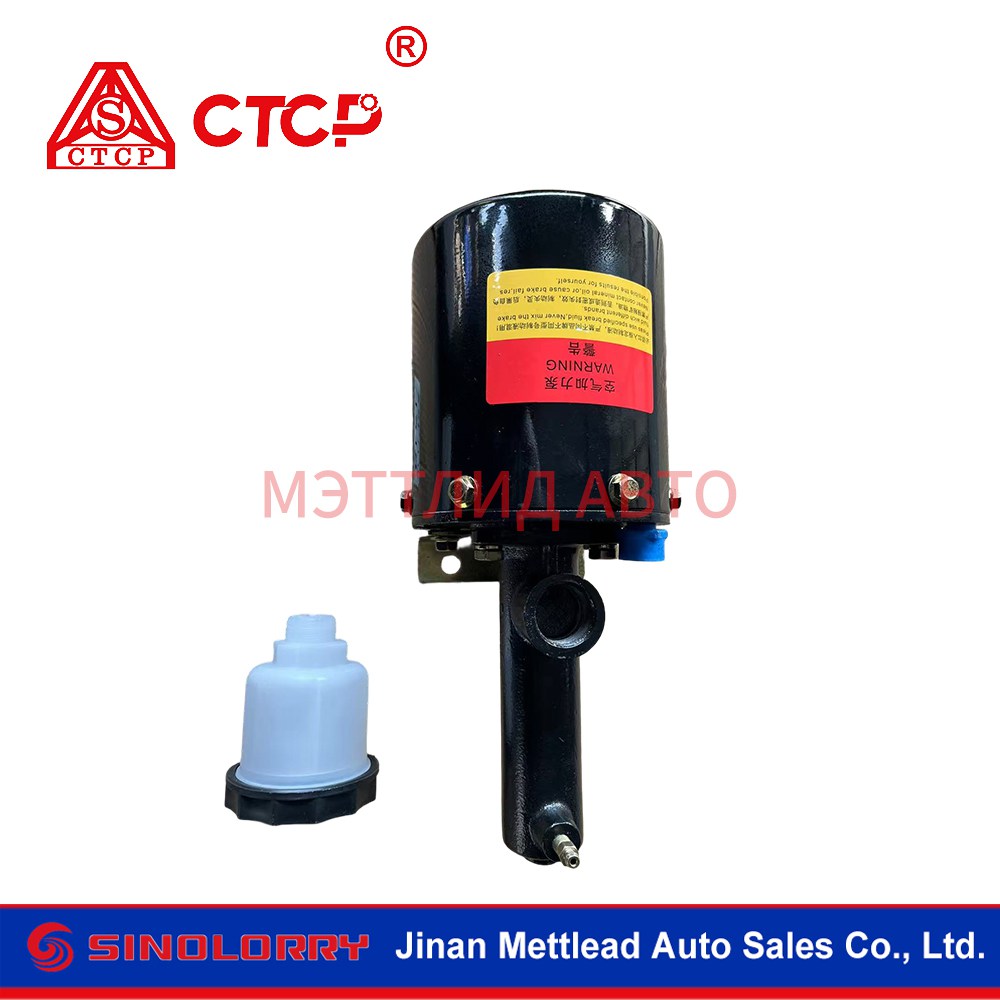
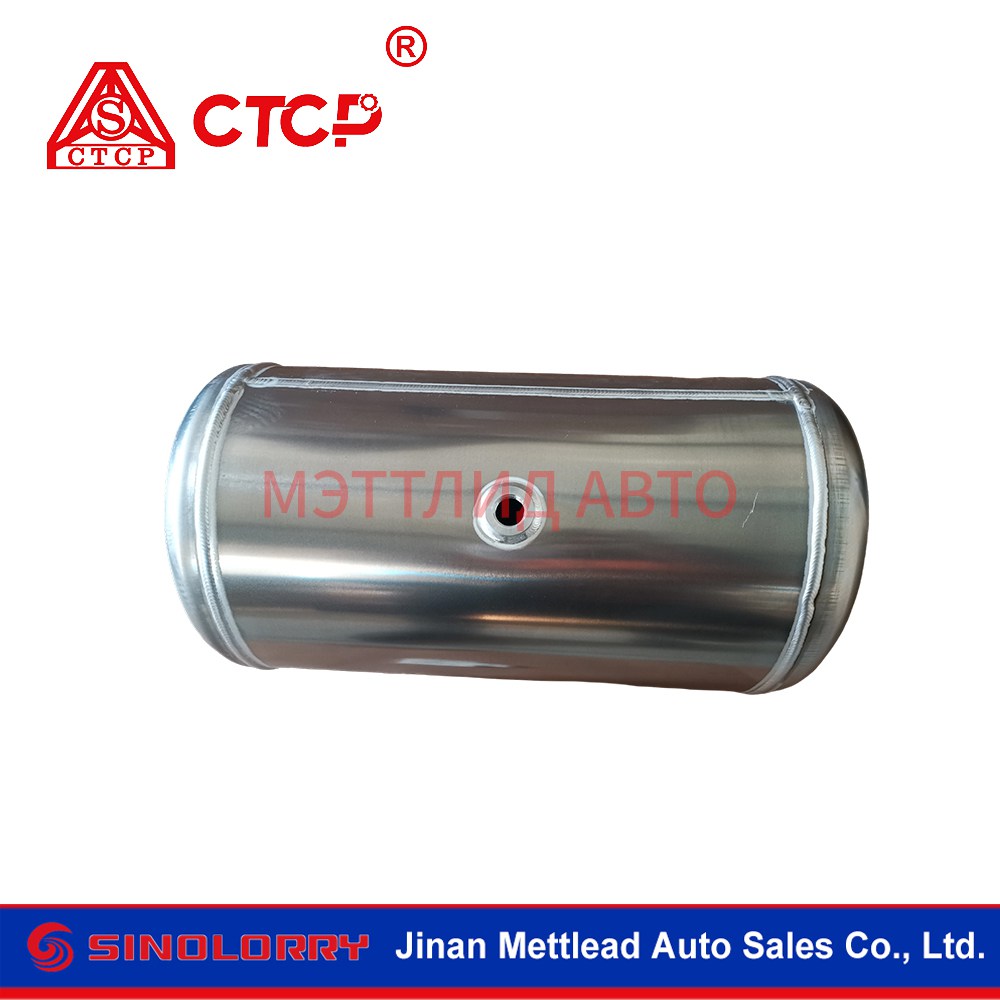
The theory about the importance of quality control becomes especially clear in the example of companies that successfully operate at the intersection of international markets. A clear illustration of the principles described above is the approachJinan Metallid Auto LLCis an industrial and trading enterprise based in Jinan, the world center of automobile parts.
Although the company does not have its own assembly lines, it implements a model that fits perfectly into the concept of a reliable partnership within a manufacturing alliance.Jinan Metallid Auto LLCspecializes in the export of original and compatible spare parts for trucks, special equipment and buses made in China (brands such as SITRAK, HOWO, SHACMAN, FAW, XCMG and others). Their philosophy of “quality first, customer first” is implemented through strict multi-level controls at all stages of the supply chain.
Instead of passive resale, the company's team of engineers and buyers with over 15 years of experience conducts initial verification of technical specifications and labeling directly from certified factory suppliers. Final verification of the complete set and packaging occurs before delivery to the client. This approach minimizes the risks of non-compliance, which is especially critical for customers in Russia (Southern Urals, Central Siberia) and other countries where the accuracy of the selection of parts for difficult operating conditions is important.
The company offers a “butler-style” service: from flexible customization of packaging and branding to prompt provision of comprehensive technical data. This case demonstrates that even without your own factory, you can be a reliable link in the supply chain if you build a transparent system of interaction with manufacturers and take on the function of a strict quality filter, which we talked about at the beginning of the article.
Frequently Asked Questions
How to check whether a manufacturer is a real member of the union?
Don't take the logos on the website for their word. Go to the official website of the union itself (usually a non-profit organization or association). An up-to-date register of members with TIN and status should be published there. If a company is not on the list or the status is “suspended,” then it does not have the right to use the union brand. You can also request a membership certificate from the supplier with the number and date of issue, and then call the union secretariat to confirm.
What to do if a part from the union fails before the warranty period?
Immediately stop operating the node and record the condition. Draw up a malfunction report with the participation of a supplier representative (or via video link if a visit is not possible). Do not attempt to repair the part yourself until inspected by a professional - this will void the warranty. Submit an official claim, attaching a report, photographs and data on operating conditions. According to the standards of most unions, the supplier is obliged to review the claim within 5-10 business days and offer a replacement or examination.
Is it possible to order a non-standard part through the union?
Yes, this is one of the advantages. Many members of the union have design bureaus and are ready to work according to individual drawings. However, the production time for such a part will be longer, and the price will be higher due to preparation for production. You will need to provide a detailed technical specification, 3D model or sample. The Union can help you select a manufacturer specializing in small-scale or single-piece production of complex products.
Does membership in the union affect the price of products?
Directly - no, the union does not set prices. However, there is an indirect influence. Standardization of processes and optimization of logistics within the union allow manufacturers to reduce costs. In addition, competition between members of the union for customer orders keeps prices at market levels, preventing monopolistic collusion. Typically, the price of high-quality certified products is 10-15% higher than the cheapest anonymous analogue, but it is justified by reliability and service.
What documents will I receive along with the spare part?
The standard package includes: waybill, invoice, product passport (with serial number), certificate of conformity (GOST or TU), material certificate (if applicable, for example, for rolled metal), as well as installation and operating instructions. Some types of equipment may require Rostechnadzor permits or other industry certificates. Always check the contents of the package of documents before paying the invoice.
Conclusion
Integration intoleading alliance of spare parts manufacturersis not just a way to purchase components, it is a strategy for increasing the sustainability of your business. In a world where the risks of supply and quality disruptions are constantly increasing, having a reliable network of partners becomes a key competitive advantage. You get access to proven technologies, transparent logistics and legal protection.
We encourage you not to delay supply chain modernization. Start with an audit of current suppliers, study the registers of industry unions and initiate a dialogue with potential partners. Investing in reliability today will save you millions tomorrow.
Ready to optimize your procurement and improve equipment reliability?Contact us todayfor advice and access to a database of trusted manufacturers. Our experts will help you choose the optimal solution for your specific tasks.
Find out more about our industrial components selection services:directory of reliable spare parts suppliers.