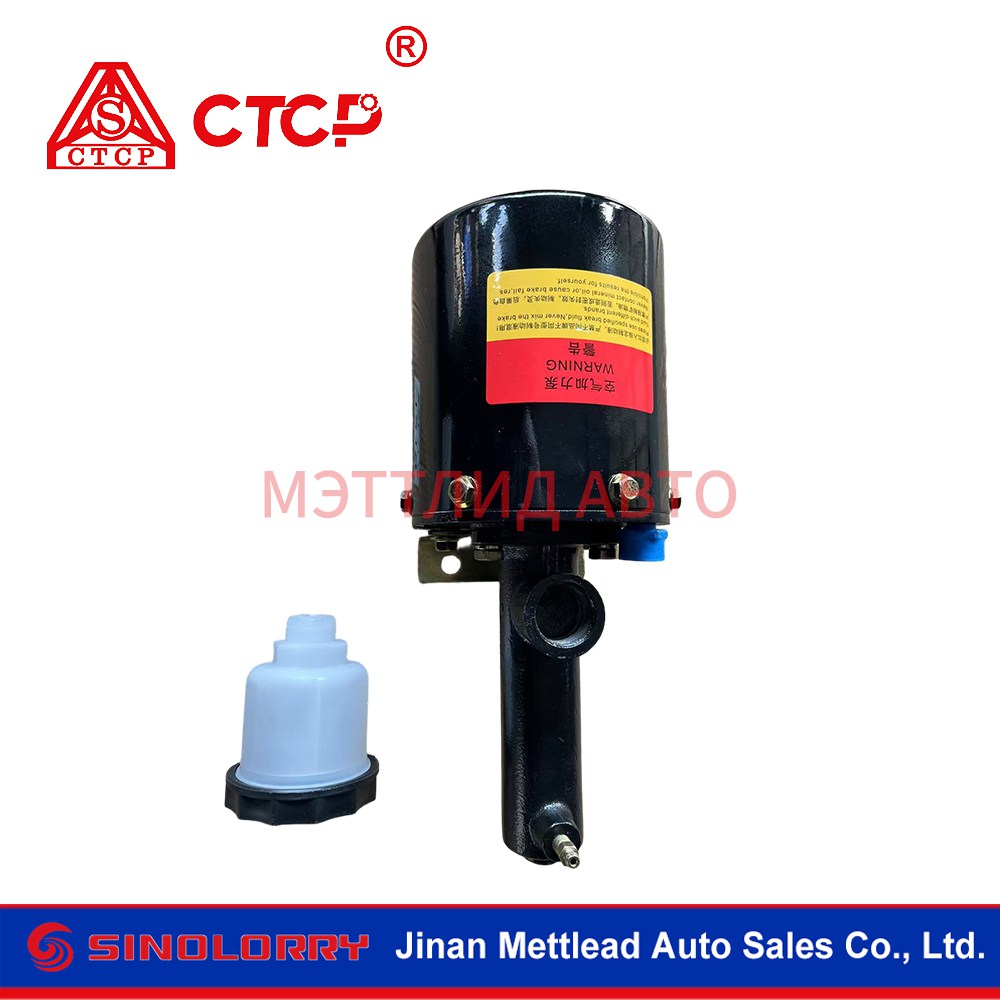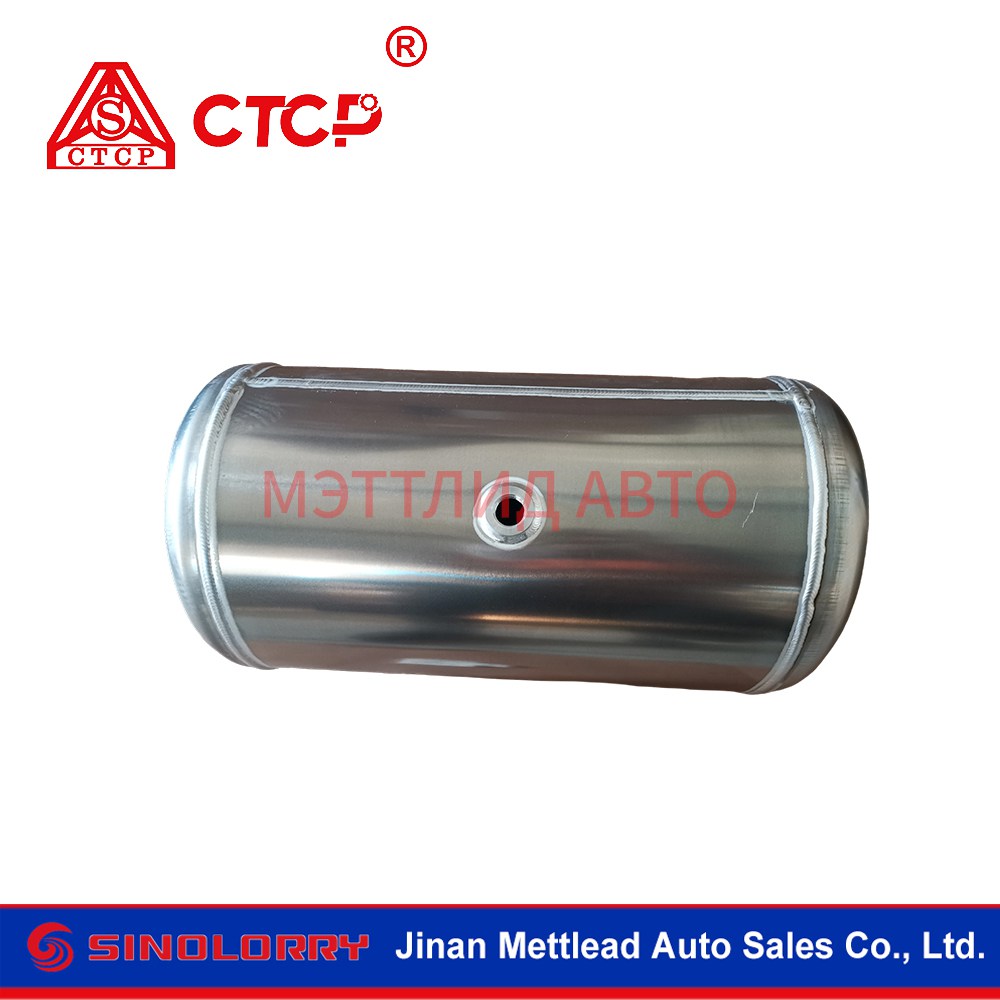


SPARE PARTS FOR ISME11 engine: compressor
2026-07-09
- The critical role of the compressor in the engine system ISME11: why original spare parts determine the service life of the unit
- Technical characteristics and design of the Cummins ISME11 compressor
- Basic compressor malfunctions and problem diagnosis
- Original versus analogue: analysis of risks and savings when choosing spare parts
- Compressor replacement process: step-by-step guide and important nuances
- Logistics and spare parts procurement: how to avoid counterfeits and delays
- Expert approach to supplies: why a reliable partner is important
- Frequently Asked Questions
- Conclusion: Investing in your fleet's reliability
The critical role of the compressor in the engine system ISME11: why original spare parts determine the service life of the unit
Widely used in heavy equipment, mining trucks and industrial generator sets, the Cummins ISME11 engine is a complex piece of engineering. However, its reliability directly depends on auxiliary systems, among which the air compressor plays a key role. In our practice of servicing heavy equipment, we have repeatedly encountered a situation where premature engine failure was caused not by wear of the piston group, but by problems in the pneumatic system, the source of which is the compressor. Spare parts for the ISME11 engine: a compressor is not just a set of metal parts, but a guarantee of stable pressure in the brake system and correct operation of pneumatic drives.
Many fleet owners mistakenly believe that a compressor is a consumable item that can be replaced with the cheapest analogue at the first breakdown. This approach leads to disastrous consequences. A low-quality compressor begins to “drive” oil into the intake manifold, which leads to coking of the intercooler and turbine. We documented a case where saving $150 on a compressor resulted in a major overhaul of the turbocharger costing over $2,000 and downtime for three weeks. That is why the choice of high-quality spare parts for the ISME11 compressor is a matter of economic feasibility, and not just technical necessity.
In this guide, we will examine in detail the design of the ISME11 engine compressor, the main causes of its failures, criteria for selecting spare parts and the risks associated with the use of non-original components. We rely on data from Cummins service bulletins and our own experience working with fleets in the far north and hot climates, where the load on the pneumatic system is maximum. If you want to avoid unplanned downtime, this information will guide your decisions when purchasing parts.
Technical characteristics and design of the Cummins ISME11 compressor
To select the correct spare parts, you must clearly understand what type of compressor is installed on your engine. The ISME11 engine can be equipped with various models of air compressors, the most common of which are Twin Air models or third-party single-cylinder units integrated into the engine block. The compressor is driven by the engine camshaft through a gear drive, which synchronizes its operation with engine speed.
The main task of the compressor is to pump compressed air into the receivers to ensure the operation of the brake system, suspension and other pneumatic components. Structurally, the ISME11 compressor consists of a housing, a piston (or rotors in screw models, although the ISME11 is more often characterized by piston types), a valve group, a pressure regulator and a lubrication system. The compressor lubrication system is provided by oil from the engine main line, which makes the quality of the oil filter and the oil itself a critical factor in the longevity of the unit.
Key parameters to consider when ordering spare parts:
- Performance:Typically ranges from 15 to 25 cubic feet per minute (CFM) at certain engine speeds. Inadequate performance will result in constant underpressure or excessive load on the engine.
- Working pressure:Standard regulator cut-off pressure is 120-125 psi (about 8.3-8.6 bar). Spare parts for the valve group must be designed specifically for this range.
- Drive type:Gear drive from the cylinder block. Drive gear wear is a common problem that is often overlooked when replacing the compressor itself.
- Cooling system:Liquid cooling through channels in the engine block. O-rings and gaskets must withstand temperatures up to 110°C.
It is important to note that depending on the year of manufacture and the specific chassis modification (for example, Shacman, Foton, Beiben), the configuration of attachments may differ. Therefore, before ordering spare parts for the ISME11 engine: compressor, it is necessary to check the engine serial number and the catalog number of the existing unit. Using generic “fit” parts without checking the specifications often results in incompatible mounting holes or air line connections.
Experience shows that the most vulnerable elements are the loading and unloading valves and the piston O-rings. It is these parts that are the first to fail when using low-quality motor oil or violating its replacement intervals. When disassembling the compressor, always check the condition of the oil supply channel for contamination, as this can cause rapid wear of the new set of spare parts.
Basic compressor malfunctions and problem diagnosis
Diagnosing compressor faults on an ISME11 engine requires a systematic approach. Symptoms of breakdowns are often disguised as problems of other systems, which makes it difficult to identify the true cause. In our practice, we have identified the five most common failure scenarios that require immediate intervention and replacement of the appropriate spare parts.
1. Oil getting into the pneumatic system (Oil in receivers)
This is the most dangerous malfunction. If you find oil in the drain valves of the air receivers, this indicates wear on the compressor oil scraper rings or a clogged drainage channel. Oil in the pneumatic system destroys the rubber seals of the brake chambers, ABS valves and control valves.
Action:Immediate replacement of the compressor piston group and cleaning of the entire pneumatic system. Ignoring this problem will lead to failure of the brake system in winter, when the oil freezes in the lines.
2. Low performance (Long air pumping)
If the pressure rise time of 85 to 100 psi exceeds the standard values (usually more than 45-60 seconds at idle), this indicates a leak inside the compressor. Causes: cylinder wear, rings or loose valves.
Action:Checking the valve cover for tightness and replacing the valve group. If the cylinder wear is significant, the liner or the entire compressor assembly must be replaced.
3. Constant operation of the compressor (Does not turn off)
The compressor runs continuously, even after reaching operating pressure. This indicates a malfunction of the pressure regulator (unloader valve) or an air leak in the system after the compressor. Often the problem lies not in the compressor itself, but in a stuck regulator.
Action:Replacing the pressure regulator. Before replacing, make sure there are no external air leaks in the truck's air system.
4. Increased noise and knocking
A metallic knock or grinding noise when the compressor is operating indicates destruction of the compressor crankshaft bearings or loosening of the drive gears. This is a critical situation that can lead to compressor seizure and drive failure, which will result in damage to the ISME11 engine camshaft.
Action:Urgent shutdown of operation and complete replacement of the compressor. Repairing bearings under service conditions is often impractical due to the risk of repeated failure.
5. Compressor overheating
Overheating can be caused by insufficient coolant levels in the engine, clogged compressor cooling passages, or excessive load due to leaks in the vehicle's air system.
Action:Checking the engine cooling system and searching for air leaks. Replacement of heat-resistant gaskets and compressor seals.
For an accurate diagnosis, we recommend using a pressure gauge to measure pumping time and visually inspect the drain from the receivers. These simple steps can save time and avoid replacing faulty components. Remember that replacement of spare parts for the ISME11 engine: compressor must be accompanied by a check of related systems.
Original versus analogue: analysis of risks and savings when choosing spare parts
The choice between original Cummins spare parts and aftermarket analogues is one of the most difficult decisions for buyers and chief mechanics. The market is saturated with offers, and the price difference can reach 300-500%. However, savings are not always justified. Let's look at this issue from a long-term cost of ownership (TCO) perspective.
Genuine Cummins parts undergo strict quality control and testing to meet ISME11 engine specifications. The materials used in the original pistons and rings are specially treated to resist abrasion and high temperatures. Analogs, especially in the budget segment from Southeast Asia, often use softer alloys or low-quality rubber compounds, which quickly degrade when exposed to an aggressive environment.
| Comparison parameter | Genuine Cummins parts | High-quality analogues (Tier 1) | Budget analogues (No-name) |
|---|---|---|---|
| Cost of the set | High (100%) | Average (60-70%) | Low (30-40%) |
| Service life (motor hours) | 15,000 – 20,000+ | 10,000 – 14,000 | 3,000 – 6,000 |
| Risk of oil penetration | Minimum | Low | High |
| Manufacturer's warranty | Global guarantee | Local guarantee | Absent or formal |
| Impact on turbine | Neutral | Neutral | Negative (coking) |
We conducted an internal cost analysis of a fleet of 50 vehicles with ISME11 engines. The group using original spare parts showed 40% lower costs for repairing related components (turbines, intercoolers) compared to the group using cheap analogues. In addition, downtime for compressor repairs in the peer group was three times higher due to more frequent failures.
However, there are quality alternatives from well-known component manufacturers (such as Holset, BorgWarner or specialist brands certified to ISO/TS 16949). These spare parts can be an excellent alternative if the originals are not available or their cost is unreasonably inflated by the dealer. The main thing is to avoid products without labeling and quality certificates.
When choosing a supplier of spare parts for the ISME11 engine: compressor, pay attention to the availability of certificates of conformity. For the Russian and CIS markets, it is critically important to have an EAC certificate confirming the safety of products. Failure to obtain this document may result in problems with customs clearance and legal liability in the event of an accident caused by a faulty brake system.
Compressor replacement process: step-by-step guide and important nuances
Replacing a compressor on an ISME11 engine is a technically complex procedure that requires a qualified mechanic. Installation errors can negate the benefits of even the most expensive spare parts. Below is a detailed guide based on Cummins technical recommendations and our field experience.
- Preparation and dismantling of the old unit.
Before starting work, be sure to relieve the pressure in the vehicle's pneumatic system. Disconnect the battery to prevent accidental starting. Drain the coolant from the engine block in the compressor area if the design requires disconnecting the water passages. Disconnect the pneumatic lines, noting their position (discharge, discharge, oil supply). Unscrew the compressor mounting bolts.Attention:Be careful with the drive gear and do not let it fall into the engine block.
- Cleaning the seats and checking the drive.
Thoroughly clean the seating surface on the cylinder block from any remaining gasket and sealant. Use a plastic scraper to avoid damaging the aluminum. Inspect the drive gear on the camshaft for chipped teeth or excessive wear. If the gear is damaged, it must be replaced, otherwise the new compressor will fail within a few hours of operation. Check the oil supply channel for contamination; if necessary, blow it out with compressed air.
- Installation of a new compressor.
Use only a new gasket or a quality sealant recommended by the manufacturer (for example, Loctite 515 or equivalent). Install the new compressor, tightening the bolts in a certain sequence and with the recommended torque (usually 40-50 Nm, but check the manual for your specific model). Misalignment during tightening will lead to jamming of the compressor shaft. Connect the air and oil lines using new copper washers or O-rings.
- Filling with oil and checking the cooling system.
If the compressor has a separate lubrication system (rare for ISME11, but possible for some modifications), fill it with oil to the level. In most cases, lubrication comes from the engine, so make sure the engine oil level is correct. Fill with coolant and remove any air pockets from the cooling system. Start the engine and let it idle, checking for oil and antifreeze leaks.
- Performance testing.
After the engine has warmed up, check the operation of the compressor under load. Increase the pressure in the receivers to maximum and record the increase time. Listen to the operation of the compressor for any extraneous noise. Check the pressure regulator: the compressor should go into unload mode when it reaches the set threshold (about 120-125 psi). Perform several pumping cycles to ensure stable operation.Important:After the first 100 kilometers, recheck the bolts for tightness and leaks.
Violation of any of these stages can lead to premature failure of the new spare part. The stage of cleaning the channels and checking the drive is especially critical, since it is mechanical contamination and damage to the gears that are the main reason for the “death” of new compressors in the first days of operation.
Logistics and spare parts procurement: how to avoid counterfeits and delays
In the context of sanctions pressure and logistical restrictions in 2025-2026, the procurement of spare parts for the ISME11 engine: compressor has become a task requiring careful planning. The market is flooded with counterfeit products that copy the packaging and labeling of original parts. To protect your business from risks, you must follow a number of rules when working with suppliers.
First, ask the supplier for confirmation of the origin of the goods. These may be invoices from official Cummins distributors or component manufacturing plants. Secondly, pay attention to the packaging: original Cummins spare parts have holograms, clear printing and unique serial numbers, which can be checked on the manufacturer’s official website. Thirdly, avoid making purchases on unverified marketplaces where the price is significantly lower than the market average. There are no miracles: if the price is too low, it is either a fake, a stolen product, or an expired part.
Delivery times are also an important factor. Having parts in a supplier's warehouse in your country is preferable to waiting for delivery from abroad, which can take weeks due to customs procedures. We recommend building a strategic inventory of critical parts, such as compressors and filters, based on the size of your fleet and the intensity of use of your equipment. The optimal supply is 1 set for every 10-15 vehicles in active use.
When importing parts from China or other countries, make sure that the supplier provides full documentation for customs clearance, including a certificate of origin and a declaration of conformity. Errors in documentation can lead to cargo being delayed at customs for up to a month, which is unacceptable during urgent repairs of equipment.
Expert approach to supplies: why a reliable partner is important
Choosing a parts supplier is not just a transaction, but rather building a long-term relationship that will ensure the smooth operation of your fleet. In this context, a special place occupiesJinan Metallid Auto LLCis an industrial and trading enterprise located in Jinan, a recognized center of automobile spare parts in China. The company specializes in the export of original and compatible components for trucks, special equipment and buses, strictly adhering to the philosophy of “quality first, customer first.”
The main advantage of working with Jinan Metallid Auto is in-depth expertise and strict quality control. Although the company does not have its own assembly lines, it implements a multi-level system of product verification at all stages of the supply chain. Each batch of spare parts for engines (including components for ISME11, Weichai, Yuchai, etc.) is individually tested for compliance with technical specifications and markings. This minimizes the risk of receiving substandard goods, which is especially important when ordering critical components such as air compressors.
The company offers a comprehensive solution for distributors and fleet owners in Russia and the CIS countries, including prompt selection of parts, flexible packaging configuration and full customs support. The service is built on the principle of “butler-style service”: personalized support, transparent information about the status of the order and a quick response to technical requests. Through close cooperation with certified factory suppliers and a team of engineers with more than 15 years of experience, Jinan Metalled Auto guarantees the accuracy of deliveries and helps customers avoid costly mistakes when choosing analogues.
Frequently Asked Questions
What is the compressor replacement interval on an ISME11 engine?
The compressor does not have a strictly regulated replacement interval based on mileage. Its service life depends on operating conditions, oil quality and maintenance. On average, with proper care, a compressor lasts 150,000 – 250,000 km. However, it is recommended to diagnose the condition of the compressor (check for oil ingress, performance) every 20,000-30,000 km or at every second service.
Is it possible to repair the ISME11 compressor instead of replacing it?
Yes, the compressor can be repaired if the housing and shaft do not have mechanical damage. Replacing the piston group, valves and bearings can restore the functionality of the unit. However, the cost of a high-quality repair kit and mechanic's work is often comparable to the price of a new analog compressor, while the warranty for repairs is lower. Replacing the entire assembly is usually more feasible from a reliability standpoint.
What oil should I use to lubricate the compressor?
The compressor of the ISME11 engine is lubricated with oil from the common engine system. Therefore, it is necessary to use a motor oil recommended by the engine manufacturer (usually API CI-4, CJ-4 or CK-4, viscosity 15W-40 or 10W-40 depending on climate). The quality of engine oil directly affects the service life of the compressor. Using cheap oil will cause the compressor rings to quickly coke.
What to do if the compressor overheats?
Compressor overheating is most often associated with problems in the engine cooling system or excessive load. Check the antifreeze level, thermostat operation and radiator cleanliness. Also check the vehicle's air system for leaks that are causing the compressor to run continuously. If the cooling system is working properly and there are no leaks, the internal cooling passages of the compressor may be clogged, which requires its removal and flushing or replacement.
Does the brand of compressor affect fuel consumption?
The compressor itself does not have a direct effect on fuel consumption, since it consumes power from the engine constantly during operation. However, a faulty compressor that creates excessive resistance or is operating under overload can indirectly increase the load on the engine. Fuel consumption is more significantly affected by the general condition of the engine and driving style. However, a properly functioning pneumatic system ensures the safety and efficiency of the equipment.
Conclusion: Investing in your fleet's reliability
Choosing the right parts for your ISME11 engine: Compressor is not just a technical procedure, but a strategic decision that impacts the safety, economics and reputation of your transportation business. Ignoring the quality of these components leads to a chain reaction of breakdowns, the cost of repairing which is many times higher than the price of the original part. We strongly recommend using trusted sources of supply, giving preference to original spare parts or Tier 1 certified replacement parts, and strictly following maintenance regulations.
Remember that every dollar saved on a low-quality compressor can result in thousands of dollars in losses due to equipment downtime and repairs to related components. Trust professionals, use only certified materials and regularly diagnose the pneumatic system. This will ensure your cars have a long and safe service in any operating conditions.
If you require advice on the selection of spare parts, assistance in diagnostics, or would like to receive a commercial offer for the supply of original components for the ISME11 engine, our experts are ready to help you. We work with leading manufacturers and guarantee the quality of every detail.
Buy spare parts for ISME11 engine
Contact us today