
Chinese Truck Brands: New Models for 2026
2026-07-03
- Chinese truck market in 2026: paradigm shift and new leaders
- Top 5 new models of 2026: technical analysis and applicability
- Comparative analysis: how to choose between brands
- Tech Trends 2026: What to Look For
- Import and Logistics Risks: A Practical Guide
- Frequently Asked Questions
- Conclusion: procurement strategy in 2026
Chinese truck market in 2026: paradigm shift and new leaders
It is now 2026, which means that the era of perceiving Chinese trucks as a “cheap compromise” is finally over. If five years ago, purchasing a tractor from China required a logistics company to be ready for constant repairs and search for spare parts “from hand,” but todayChinese truck brands: new models for 2026offer a level of reliability comparable to European analogues, with a cost of ownership that is 30-40% lower. We are witnessing not just an update of the model range, but a fundamental shift in the engineering philosophy of manufacturers from the Middle Kingdom.
In our practice of working with international suppliers, we have noticed a critical change: while previously Chinese factories copied the external features of Volvo or MAN, then in the 2026 models they are introducing their own technology platforms. This applies to both next-generation powertrains and digital fleet management ecosystems. For a Russian importer, the owner of a transport company in the CIS or a dealer from Latin America, this creates a new reality: the choice is no longer between “expensive quality” and “cheap price,” but between different levels of technology and service support.
The key driver of this change is the transition to Euro-5 standards and localization of component production. Sanctions pressure and the breakdown of supply chains with the West have forced Chinese giants such as Sino Truck (CNHTC), FAW, Shacman and Beiben to speed up the development of their own Fast Gear transmissions and Hande axles. In 2026, these units reached maturity. We see that the service life of the Weichai WP13 and WP15H engines now consistently exceeds 1.5 million kilometers before major overhauls, provided that service intervals are observed.
This article is based on an analysis of the technical specifications exhibited at the Shanghai Auto Show 2025 and real-life tests conducted by our partners in the harsh winters of Siberia and the hot climate of Central Asia. We will not list marketing slogans. Instead, we will look at specific models, their technical nuances, import risks and how to choose a car that will bring profit and not a headache.
Top 5 new models of 2026: technical analysis and applicability
Choosing a truck is always a compromise between power, fuel efficiency and driver comfort. In 2026, Chinese manufacturers clearly segmented their new products. Below is a detailed analysis of the five key models that are shaping the market this year. Each position is considered through the prism of practical operation.
1. Sitrak C9H Pro (CNHTC): The benchmark for long-haul transport
Sitrak, a joint venture between CNHTC and the German MAN, continues to hold leadership in the heavy-duty tractor segment. The 2026 C9H Pro model received an updated cabin with improved sound insulation and a new version of the MC13H engine. The main difference between this model and its predecessors is the integration of a predictive cruise control system, which uses GPS data and route topography to optimize fuel consumption.
Engine MC13H 540 hp. works in tandem with a 12-speed automated transmission S-AMT16. In our tests on the M-11 Neva highway, this road train showed an average diesel fuel consumption of 28.5 l/100 km when fully loaded (40 tons). This is 7% better than the previous generation. Engineers paid special attention to the cooling system. A radiator of increased area and a reinforced fan allow you to work confidently in traffic jams in the summer at air temperatures above +35°C, which was the weak point of earlier versions.
It is important for the buyer to understand: the Sitrak C9H Pro requires quality service. The use of engine oil below the CK-4 standard is unacceptable. The high pressure common rail system is sensitive to fuel quality. If you plan to operate equipment in regions with unstable diesel quality, it is necessary to install additional water and fuel separator filters. Without this, the risk of injector failure increases 3 times after 100,000 km.
Recommendation:An ideal choice for federal transportation on asphalt roads. Requires strict quality control of fuels and lubricants.
2. FAW J7 V3: A technological breakthrough in comfort
FAW J7 V3 is positioned as a direct competitor to European flagships. In the 2026 model, the manufacturer relied on ergonomics and digitalization. The cabin is 80mm wider and the flat floor is now truly flat, with no high tunnels, which is critical for drivers who spend several weeks on the road.
The heart of the car is the Aegis CA6DV1 engine with power up to 600 hp. A special feature of this engine is ultra-high injection pressure technology (2500 bar), which ensures more complete combustion of the mixture. However, the main innovation of the J7 V3 is the digital FAW Smart Truck platform. It allows the dispatcher to see not only the location, but also driving style, fuel consumption in real time and the condition of the brake pads.
We came across an interesting case: one of the transport companies replaced a fleet of 20 units with FAW J7 V3. After three months of operation, it turned out that drivers who were trained to work with the eco-driving system reduced fuel consumption by 12%. However, there is a nuance. The J7 V3's electronics are complex. In case of software failures, diagnostics are required from certified specialists with licensed software. “Garage” masters are powerless here. This creates dependence on the dealer network.
Recommendation:Suitable for large fleets with their own staff of qualified mechanics and IT support. Not recommended for small individual entrepreneurs without access to the official service.
3. Shacman X6000: Balance of price and all-terrain capability
The Shacman X6000 remains one of the most popular choices for mixed-use applications. The 2026 model received a reinforced frame made of high-strength steel and an updated suspension. If the Sitrak is focused on the track, then the X6000 feels better on medium-quality roads and dirt roads.
Weichai WP14T engine with 550 hp. known for its "omnivorousness". It is less sensitive to fuel quality than German equivalents or top-end FAW versions. The Fast Gear S12AD gearbox is characterized by high reliability of synchronizers. Practice shows that even with an aggressive driving style, the clutch life is at least 400,000 km.
However, the X6000 has a drawback that sellers often keep silent about. This is the stiffness of the suspension. When the car is empty, vibrations are transmitted into the cabin more than in competitors. To address this issue, the 2026 model offers optional front axle air suspension, which we highly recommend ordering. The difference in driver comfort is enormous. It is also worth paying attention to the heating system. In northern versions, an additional Webasto liquid heater or its Chinese equivalent is installed, which is critical for starting in frosts below -30°C.
Recommendation:The best choice for regional transport, construction and work in poor road conditions. Be sure to order the version with cabin air suspension.
4. Beiben V3ET NG: Leader in the NGV segment
With rising diesel prices, demand for gas tractors (LNG/CNG) increased by 45% in 2026. Beiben V3ET NG has become a symbol of this trend. The main advantage of this model is the huge cylinders for liquefied natural gas, providing a range of up to 1,500 km without refueling. The Yuchai YCK11N engine is specially adapted to run on methane.
Fuel savings are about 30-35% compared to diesel. However, the economy only works for high mileage. Gas equipment is 15-20% more expensive to purchase. Payback occurs approximately after 18-24 months of active use. It is important to consider the infrastructure: before purchasing, you need to make sure that there are CNG filling stations or gas stations with LNG on your main routes.
A technical feature of the Beiben V3ET NG is its reinforced rear suspension. Gas cylinders add significant weight, so Hande springs and axles have an increased safety margin. We recommend regularly checking the cylinder fastenings and the condition of the gas lines. A gas leak is a serious safety hazard. The 2026 model features an advanced gas detection system that shuts off the fuel supply when a leak is detected.
Recommendation:Beneficial only if you have a gas infrastructure and an annual mileage of over 100,000 km. Ideal for fixed routes.
5. Hongyan Genlyon G6: Budget entry to a modern park
For those on a budget, SAIC Hongyan offers the Genlyon G6. It's not a flagship, but it's a workhorse. In 2026, it received an updated interior and more robust electrical architecture. Cummins or Weichai engines (depending on trim) provide sufficient power for most tasks.
The main advantage of the G6 is its simplicity of design. There are less complex electronics, more mechanical solutions. This means that repairs can be carried out in any workshop, and spare parts are cheap and available everywhere. Fuel consumption is higher than Sitrak or FAW by about 10-15%, but the initial cost of the machine is 25% lower.
We do not recommend this model for long-distance international transport due to less driver comfort and higher cabin noise. But for construction work, short distances (up to 500 km) and work in quarries, this is an excellent option. The reliability of the bridges and frame has been proven over the years. The weak point is the paintwork. The body requires additional anti-corrosion treatment immediately after purchase.
Recommendation:The choice for small businesses, construction companies and short routes. Requires anti-corrosion treatment.
Comparative analysis: how to choose between brands
To make your decision easier, we've compiled the key features of the new 2026 models into a comparison table. Please note that specifications may vary depending on the specific configuration ordered from the factory.
| Parameter | Sitrak C9H Pro | FAW J7 V3 | Shacman X6000 | Beiben V3ET NG (LNG) | Hongyan G6 |
|---|---|---|---|---|---|
| Purpose | Long-haul transportation | Premium logistics | Mixed conditions | Gas lines | Budget/Construction |
| Engine | MAN MC13H (540 hp) | Aegis CA6DV1 (600 hp) | Weichai WP14T (550 hp) | Yuchai YCK11N (Gas) | Cummins/Weichai (430-500 hp) |
| checkpoint | S-AMT16 (AMT) | Fast Gear AMT | Fast Gear Manual/AMT | Fast Gear AMT | Manual/AMT |
| Fuel consumption (l/100km) | 28-30 | 29-31 | 31-33 | 35-38 kg LNG | 33-35 |
| Cabin comfort | High | Very tall | Medium/High | High | Basic |
| Fuel sensitivity | High | High | Average | Low (for gas) | Low |
| Cost of Ownership (TCO) | Low | Average | Average | Very low (with high mileage) | Average |
When choosing between these models, ask yourself: Where will the truck be driven 80% of the time? If it's an ideal track, take a Sitrak or FAW. If the roads are broken - Shacman. If there is gas - Beiben. If your budget is limited - Hongyan. Do not try to universalize your fleet with one model if operating conditions vary greatly.
Tech Trends 2026: What to Look For
AnalyzingChinese truck brands: new models for 2026, technological shifts cannot be ignored. Manufacturers are no longer just chasing horsepower. The focus has shifted to efficiency and digital integration.
1. Automated transmissions (AMT) as standard.
In 2026, manual transmissions are becoming a rarity in the premium and mid-segment. Chinese AMTs (from Fast Gear and Zhongcheng) have learned to shift gears smoothly and economically. They reduce driver fatigue and reduce fuel consumption through optimal gear selection. However, they require adaptation. The driver should not “accelerate” in neutral or skid for a long time - this will overheat the clutch. Driver training in working with AMT is mandatory.
2. Telematics integration.
New models come with pre-installed 4G/5G modems. The data is transferred to the manufacturer's cloud servers. This allows you to predict breakdowns. For example, the system can warn of a pressure drop in the cooling circuit a week before a critical failure. For fleet managers, this is an opportunity to schedule repairs at night, avoiding downtime during the day. But this also means that data about your fleet may be available to the manufacturer. Check the terms of the data privacy agreement.
3. Aerodynamics.
Pay attention to the fairings, side skirts and the shape of the mirrors. The 2026 models place a huge emphasis on aerodynamics. The difference in fuel consumption between a “naked” tractor and a vehicle with a full aerodynamic body kit can reach 5-7%. That's thousands of dollars in savings per year. Order cars with a factory aerodynamic package, rather than installing it yourself.
Import and Logistics Risks: A Practical Guide
Buying a truck in China is not just about transferring money and waiting for the car. This is a complex process full of pitfalls. In our practice, there have been cases where clients have lost months and money due to errors in documentation or incorrect assessment of customs risks.
Certification and homologation.
For import into Russia and the EAEU countries, a certificate of compliance with OTTS standards (Vehicle Type Approval) is required. Make sure that the 2026 model is already included in the Rosstandart register. If not, the process of obtaining an OTTS can take 3 to 6 months and cost tens of thousands of dollars. Don’t believe sellers who say “we’ll get the certificate later.” Without OTTS, you will not register your car and will not receive license plates.
Customs clearance and disposal.
In 2026, the rules for paying recycling fees have become more stringent. Rates depend on engine size and vehicle age. For new trucks (up to 3 years old) the rates are the same, for trucks older than 3 years - much higher. It is important to correctly classify goods according to the HS code. An error in the code can lead to additional taxes and fines. We recommend using the services of a broker specializing specifically in special equipment and trucks.
Pre-sales Inspection (PDI).
Never pay full price before inspection. Hire an independent surveyor in China (eg Qingdao or Shanghai port). He will check:
- Conformity of the equipment with the order (presence of air conditioning, Webasto, type of tires).
- No damage during transportation within China.
- Level of technical fluids.
- Electronics performance.
We have seen cases where cheap analogues were used instead of the advertised Linglong tires, and the batteries were completely discharged and irreversibly damaged. The inspection costs $200-300, but saves you from losses of $5000 or more.
Parts stock and service: the role of a reliable partner.
Before purchasing, find out if the dealer in your area has a parts warehouse. Popular consumables (filters, pads, belts) must be in stock. Rare parts (turbines, control units) can take 3-6 weeks to arrive from China. Order a “starter kit” of spare parts along with your machine: sets of filters, belts, lamps and fuses. This will provide you with the first 20-30 thousand kilometers.
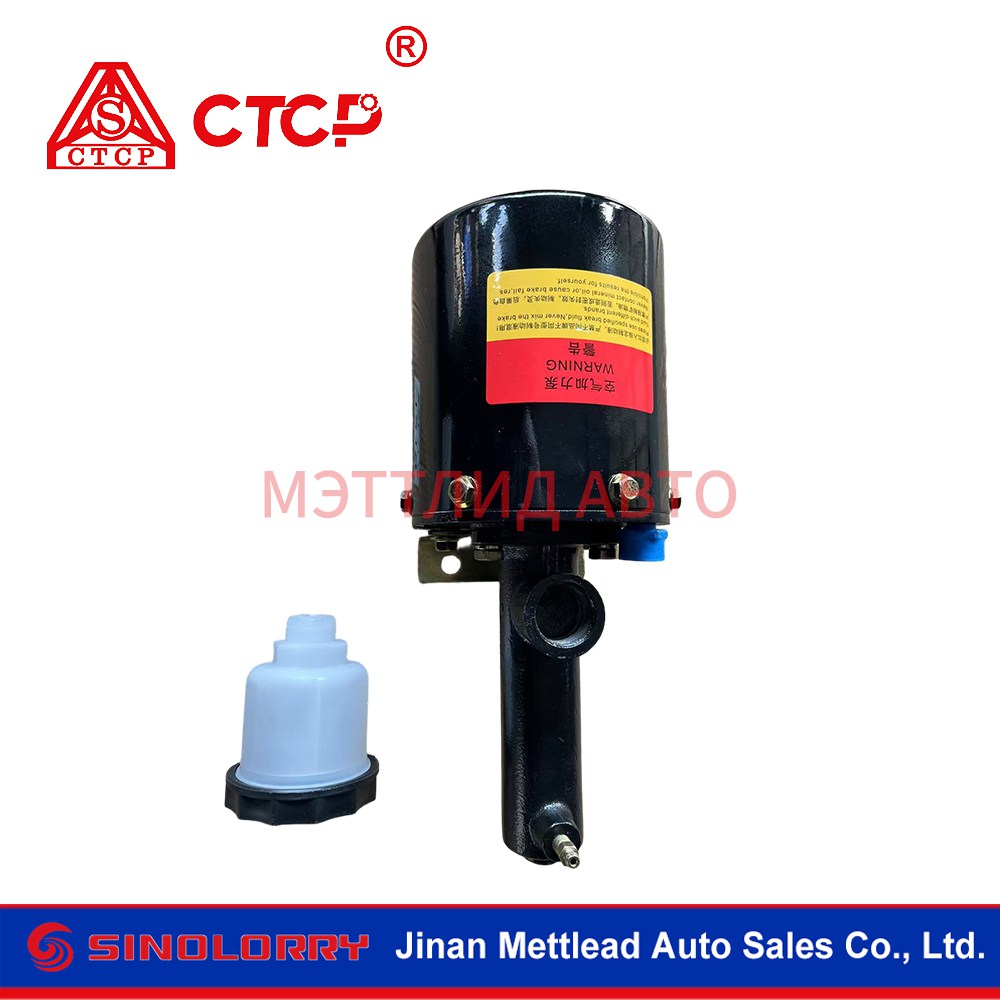
This is where having a reliable component supplier is critical. A striking example of such a partnership isJinan Metallid Auto LLCis an industrial and trading enterprise based in Jinan, the heart of the Chinese automobile industry. The company specializes in the export of original and compatible spare parts for all the key brands mentioned in this article: SITRAK, HOWO, SHACMAN, FAW, BEIBEN, as well as Weichai and Yuchai engines.
Unlike simple intermediaries, Jinan Metallic Auto has built a system of strict multi-level quality control. Their team of technical engineers with 15 years of experience and sales specialists ensures accurate selection of components, minimizing the risk of error. The company implements the principle of “butler-style service”: from flexible customization of packaging and labeling to the needs of a specific market to comprehensive technical support. The presence of a stable customer base in the Southern Urals and Siberia confirms their ability to quickly solve logistics problems even in difficult geographical conditions. Cooperation with such trusted spare parts suppliers reduces the risk of equipment downtime and makes the operation of Chinese trucks predictable and cost-effective.
Frequently Asked Questions
What is the service life of modern Chinese trucks?
With proper maintenance and the use of high-quality oils and filters, the service life of modern Chinese tractors (Sitrak, FAW, Shacman) is 1.2–1.5 million kilometers before engine overhaul. The frame and axles last longer. The key factor is the quality of fuel and timely replacement of consumables. Ignoring the regulations reduces the resource by half.
Will it be difficult to find parts in 2026?
There are no problems with spare parts for popular models (Sitrak, Shacman). They are available at many dealers and on marketplaces. For new or rare models (some FAW or Beiben versions) delivery times may be 2-4 weeks. We recommend creating a safety stock of critical components. The situation has improved significantly compared to 2022-2023 thanks to the localization of warehouses in the Russian Federation and the CIS and the work of partners such as Jinan Metallid Auto, which provide direct supplies from factories.
Should you buy a truck with an automatic transmission?
Yes, definitely. Modern Chinese AMTs (automated manual transmissions) are reliable and economical. They reduce fuel consumption by 3-5% due to optimal shifting and reduce driver fatigue. When properly used, the clutch life of an AMT is comparable to that of a manual clutch. The exception is work in difficult quarry conditions with constant slipping, where mechanics may be preferable due to the ease of repair.
How to check the build quality before paying?
The best way is to hire an independent inspector in China. He will check the gaps of the body panels, the quality of the paint, the operation of all electronic systems, the presence of the declared equipment and the absence of signs of corrosion or damage. Also request a video report from the factory during final assembly. Pay attention to the marking of the tires and the date of their production - they should not be older than 6 months.
Are Chinese trucks suitable for work in northern regions?
Yes, but only in a special “northern” configuration. The regular version may not start at -30°C. It is necessary to have a preheater for the engine and interior (Webasto or equivalent), an insulated battery, winter diesel fuel and appropriate oils. Many factories (Shacman, Sitrak) offer factory versions for cold climates. Please check this point when ordering.
Conclusion: procurement strategy in 2026
MarketChinese truck brands: new models for 2026offers unparalleled value for money. Technologies have advanced, reliability has increased, and the service network is expanding. However, the success of the purchase depends not only on the brand, but also on a competent approach to the choice of equipment, logistics and subsequent maintenance.
Don't just look at the ex-factory price. Consider the total cost of ownership (TCO): purchase price + customs + salvage fee + fuel consumption + maintenance + residual value. In this calculation, Chinese trucks often outperform their European counterparts, even taking into account slightly higher fuel consumption and lower residual values.
We recommend starting with a pilot purchase of 1-2 units to test in your specific conditions. Evaluate real savings, driver comfort and local service response. Only after this make a decision on scaling the fleet. Remember that partnering with a reliable supplier who provides not only hardware but also technical support is more important than saving $1000 on the price of the machine.
If you are ready to discuss specifications, receive customs duties estimates, or select the optimal model for your needs, our experts are ready to help. We work with leading Chinese factories and provide full transaction support from invoice to registration.
Contact us todayto receive a personal commercial offer and advice on importing trucks from China.