
Wholesale Chinese truck parts: benefits
2026-07-05
- Why bulk purchasing of Chinese truck parts will bring real benefits in 2026
- Wholesale mathematics: where the real profit is hidden
- Quality and standards: how to distinguish a factory original from a fake
- Logistics and timing: supply chain management in the new realities
- TOP 5 categories of spare parts for maximum savings in bulk
- How to choose a reliable supplier: a 7-point checklist
- An example of a systematic approach: the experience of Jinan Metallic Auto LLC
- Frequently Asked Questions
- Scaling strategy: from the first batch to system deliveries
Why bulk purchasing of Chinese truck parts will bring real benefits in 2026
The commercial vehicle market in Russia and the CIS countries is undergoing a structural transformation. The supply chains that have linked European factories to our fleets for decades have been rebuilt. In their place came new routes leading to the east. In this context the requestwholesale Chinese truck parts: benefitsno longer just a matter of saving. Today it is a matter of business survival, continuity of cargo transportation and control over operating costs.
We have been working with the import of automotive components for more than fifteen years. During this time, we have seen the ups and downs of different brands, quality standards have changed, and customs regulations have become stricter. But one fact remains unchanged: Chinese industry has learned to produce not just “cheaply,” but with “predictable quality.” For a fleet owner or supply department manager, this means reducing the risk of equipment downtime.
In this article we will look at the economics of wholesale purchasing without the marketing fluff. We'll show you where the real margins are hidden, how to avoid defects that can cost more than the part itself, and why EAC certification has become your main investment protection tool. If you plan to scale up your purchases in 2026, this material will save you hundreds of thousands of rubles on first order errors.
Wholesale mathematics: where the real profit is hidden
Many managers believe that the benefit from China lies only in the low factory price. This is a dangerous misconception. The difference in price on the assembly line in Shijiazhuang or Jinan and the price in the warehouse in Moscow can be 300-400%, but this is not the supplier’s net profit. These are logistics, customs, storage and risks. The real benefit is formed at the stage of structuring the transaction.
Let's look at the numbers. When you retail purchase a brake rotor for a Shacman or FAW truck, you pay for last mile logistics, tier 2 distributor markup, and retail margin. When purchasing in bulk (from 50 pieces of one item), you eliminate two links from the chain. But the main thing is that you get the opportunity to control the quality of incoming inspection.
In our practice, there was a case when a client tried to save money by ordering a batch of filters from the cheapest supplier on Alibaba without prior inspection. Result: 15% defective (loose seals). The losses from the downtime of three cars on the M-11 highway exceeded the savings for the entire batch four times. Wholesale purchases from a trusted partner include the cost of pre-shipment inspection. It's not an expense, it's insurance.
The benefits of wholesale also manifest themselves in the unification of warehouse stocks. By purchasing components for a fleet of 50 trucks in a single lot, you reduce the cost of storing a unit of goods by 20-25%. You are less dependent on urgent deliveries, which always cost more. Planning becomes possible rather than reactive.
The key indicator here is TCO (Total Cost of Ownership). Chinese spare parts, especially from first-tier manufacturers (such as Weichai for engines or Fast Gear for gearboxes), when properly selected, provide a service life comparable to the original, but at a cost of 60-70% of it. When purchasing in bulk, this difference turns into direct cash flow for the company.
Recommendation:Don't just look at the price per piece on the price list. Request a landing cost calculation (cost with delivery to your warehouse) for a shipment over 100,000 rubles. Compare this figure with your current spending on urgent small purchases.
Quality and standards: how to distinguish a factory original from a fake
The stereotype that "Chinese means unreliable" died around 2018. Today the problem is not the quality of production, but its heterogeneity. The same plant can produce products under three different brands with different quality controls. Your task as a buyer is to understand exactly what standard is being offered to you.
In Russia and the EAEU countries, the key marker of legality and safety is the CU TR (EAEU) certificate of conformity. The presence of the EAC mark on a part or in accompanying documents means that the product has been tested for safety and environmental friendliness. For trucks, this is critically important, since a malfunction of the brake system or steering can be life-threatening.
We recommend paying attention to the following quality standards used by leading Chinese manufacturers:
- ISO 9001:2015— basic standard of the quality management system. Its presence at the plant indicates that the processes are standardized. However, the ISO certificate itself does not guarantee the quality of a specific part, it guarantees the stability of the processes.
- IATF 16949— this is the highest aerobatics in the automotive industry. If a plant has this certificate, it means it is a supplier to large automakers. Parts from such lines have a minimal percentage of deviations from geometry.
- GOST R and internal technical conditions (TU)— standards adapted to Russian climatic conditions. For example, rubber products must remain elastic at -45°C. Conventional Chinese seals can “tan” even at -25°C. Request frost resistance tests.
One of our clients faced the problem of cracking cooling system pipes in winter in Siberia. The reason turned out to be the use of the wrong type of rubber. The supplier saved on material without taking into account regional specifics. After switching to a supplier that uses siliconized materials according to the GB/T standard (Chinese state standard, an analogue of our GOST), the problem disappeared.
How to check the quality before payment? Request a video report from production or an independent inspection. This is standard practice for wholesale shipments. The inspector checks the dimensions with a micrometer, the visual condition of the casting, and the packaging. The cost of such a service is about $200-300 per person-day, but it saves you from losing a defective container.
Action:Before placing a large order, request copies of IATF 16949 certificates and frost resistance test reports for rubber products from the supplier. Check the certificate number in the register of the certification body.
Logistics and timing: supply chain management in the new realities
Logistics from China to Russia in 2026 is not just about transporting cargo. This is risk management. Borders are congested, rail freight rates fluctuate, and sea routes require careful planning. A mistake in choosing a route can freeze your money 40-60 days longer than planned.
There are three main ways to deliver auto parts in bulk:
- Railway transportation (Railway).Optimal for heavy parts: engines, axles, cabins, gearboxes. Delivery time: 14-25 days. Advantage: Predictability and traceability. Disadvantage: high cost during peak seasons and shortage of fittings.
- Road transport (trucks).Ideal for medium batches (up to 20 tons) and urgent orders. Delivery time: 10-18 days via Kazakhstan or directly (depending on the current geopolitical situation and the operation of checkpoints). The flexibility of the route allows you to avoid congestion.
- Sea transportation + railway/road.The cheapest option for very large quantities (40ft containers). Delivery time: 35-50 days. Suitable for planned purchases of consumables (filters, pads, belts) that are not needed “yesterday”.
An important nuance is customs clearance. Spare parts for trucks often fall under complex HS codes. An incorrect code may result in additional duties being charged or cargo being delayed at a temporary storage warehouse (TSW). Every day of storage at a temporary storage warehouse costs money. A professional broker knows how to classify a “set of spare parts” in a way that minimizes the tax burden legally.
We recommend using a “buffer warehouse” strategy. Do not work on the Just-in-Time system with China if you do not have a safety stock of 1.5 months. Create a local buffer of popular positions. This will allow you to survive logistical disruptions without stopping your fleet.
Also pay attention to the packaging. Sea humidity and repeated overloads kill cardboard. Require reinforced packaging: wooden pallets, stretch film, desiccant inside the container. Damage to packaging often leads to damage to the goods, and it is difficult to prove the carrier’s guilt when accepting cargo based on external signs.
Tip:Include +15% in your logistics budget for unforeseen expenses (delay at the border, additional warehouse services). It is better to receive a refund of these funds than to seek them at a time of crisis.
TOP 5 categories of spare parts for maximum savings in bulk
It is not profitable to import all parts from China in bulk. Heavy metal structures in the low price segment may be more expensive than their Russian counterparts due to their weight. However, there are categories where Chinese production has an unconditional technological and price advantage.
| Category | Potential Savings | Risks | Brand recommendation |
|---|---|---|---|
| Engines and components (Weichai, Yuchai) | 30-40% | High cost of error. Difficulty of guarantee. | Only official dealers of factories. Require a complete package of documents for the traffic police. |
| Transmission (Fast Gear, ZF China) | 25-35% | Counterfeits of famous brands. | Checking holograms and serial numbers at the manufacturer. |
| Pneumatic system and brakes | 40-50% | Marriage of membranes and chambers. Safety. | Select suppliers with EAC certification. Avoid no-name brands. |
| Optics and body elements | 50-60% | Mismatch in fastener geometry. | Order samples before batch. Checking gaps. |
| Consumables (filters, pads) | 60-70% | Low resource. Frequent replacement. | Buy only premium lines from Chinese factories (for example, Fleetguard license). |
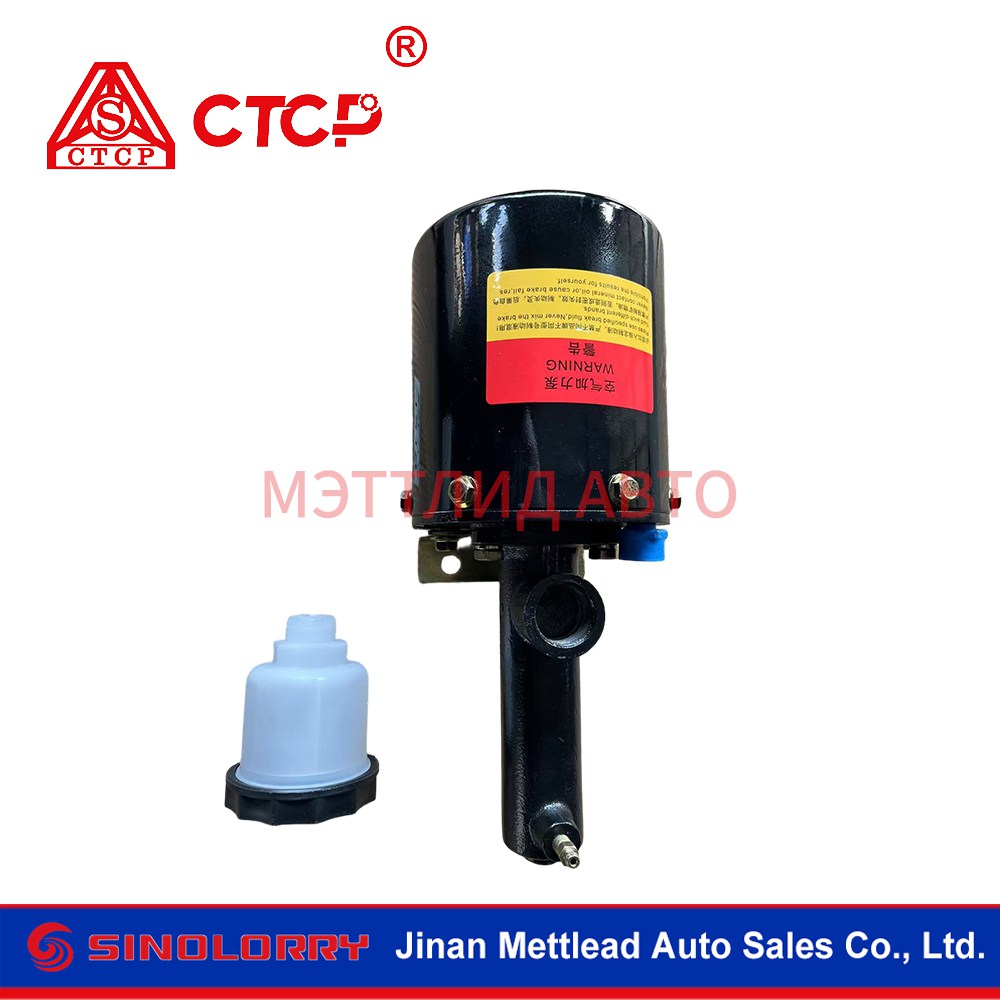
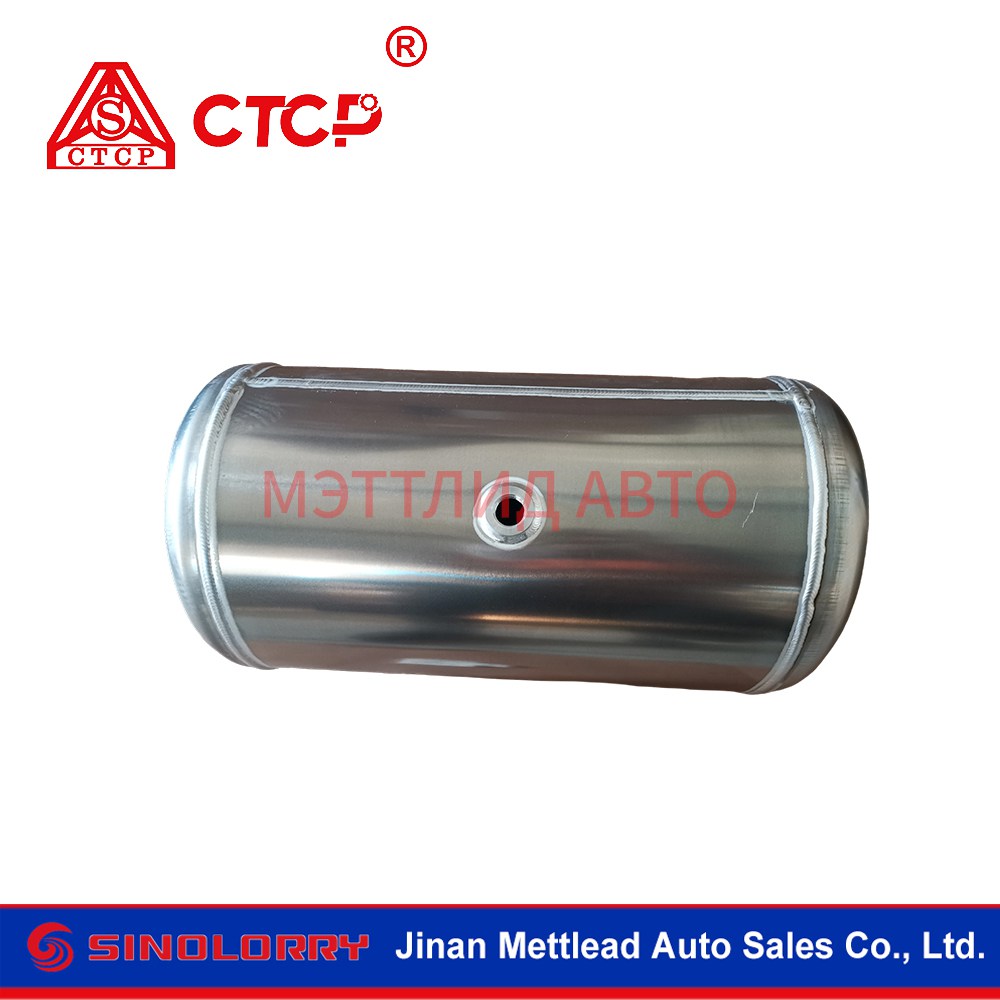
Let's take a closer look at the category of pneumatic systems. Chinese factories have learned to produce pneumatic cylinders and cranes that work no worse than their European counterparts Wabco or Knorr-Bremse, but cost half as much. When purchasing a set for 10 tractors in bulk, you save a significant amount. The main thing is to make sure that the membrane materials are resistant to Russian reagents.
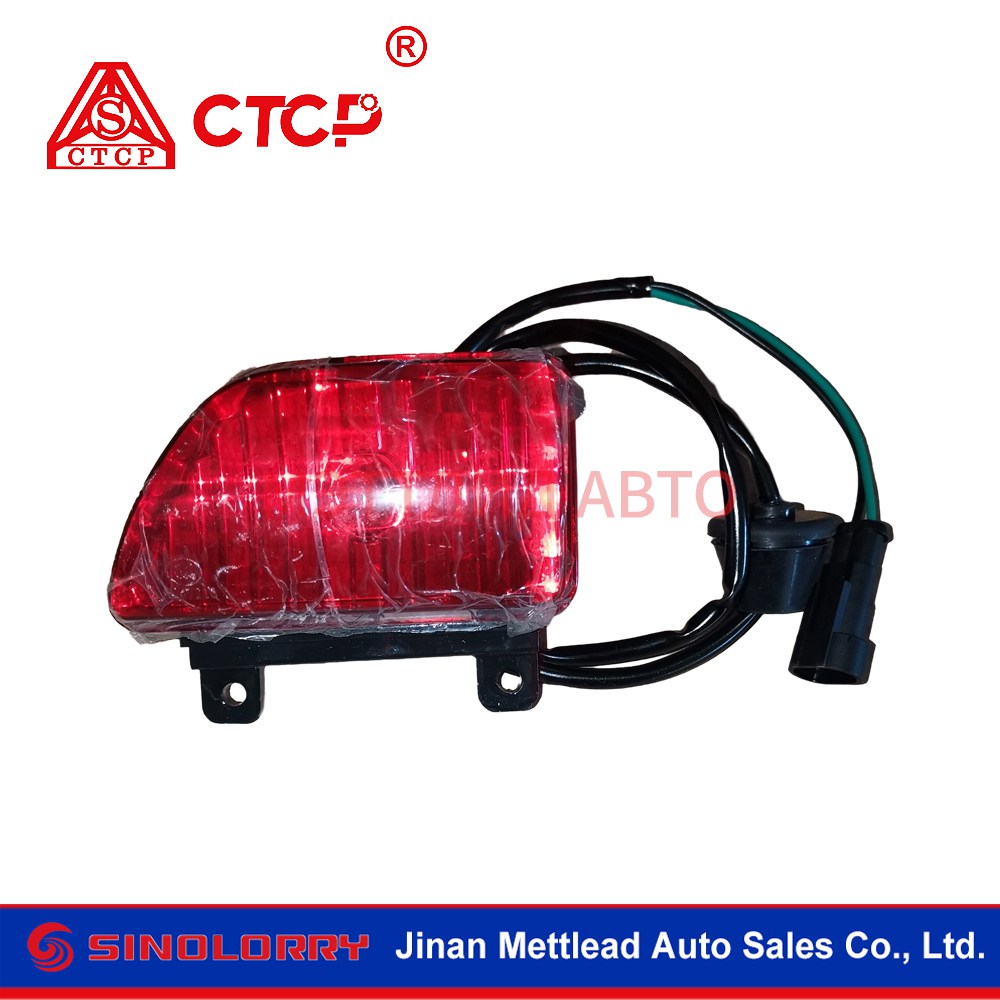
Body elements (headlights, bumpers, mirrors) are another high-margin area. Plastic parts are fragile during transportation, but if properly packaged, the risk of damage is minimal. Here the benefit is achieved due to the huge variety of models. The Chinese copy the design quickly, so you can even find parts for older truck models that have been discontinued in Europe.
Filters and oils. Caution is important here. The market is flooded with fakes. Wholesale benefits are only realized if you purchase from an authorized manufacturer. A cheap filter can kill an engine worth millions of rubles. Saving 500 rubles on a filter can lead to repairs costing 500,000 rubles. Always request laboratory testing of oils and filter elements.
Conclusion:Focus on complex components and expensive consumables. Small hardware and simple pieces of hardware are often more profitable to buy locally due to the logistics component.
How to choose a reliable supplier: a 7-point checklist
Finding a supplier online is just the tip of the iceberg. 90% of a successful transaction occurs at the verification stage. We have developed a checklist that we use ourselves when auditing new partners. Please go through these steps before transferring your prepayment.
- Business license verification.Request a copy of the license. Check your registration date. A company that has been in existence for less than 3 years should be treated with caution. Look at the authorized capital. For a serious exporter it should be significant.
- Specialization.Avoid "universal soldiers". A plant that produces tires, electronics, and engines is most likely a trader rather than a manufacturer. Look for factories that do one thing, but do it perfectly.
- Availability of export experience in the Russian Federation.Ask: “Have you traveled to Russia before?” Ask for contacts of other Russian clients (with their consent). If the supplier works with the Russian Federation, he knows the peculiarities of our customs and documentation.
- Communication.Pay attention to the speed and quality of responses. An engineering approach is more important than politeness. If a manager responds with template phrases and cannot clarify a technical parameter, this is a red flag. You need a technical specialist on call.
- Terms of payment.Never pay 100% upfront to new suppliers. Market standard: 30% prepayment, 70% before shipment after providing a photo/video report and copies of documents. Using a letter of credit or guarantees from a bank increases security.
- Warranty policy.Clearly state in the contract what is considered a defect and how it is compensated. Returning goods to China is not cost-effective. Agree to compensate with a discount on your next order or send a replacement by air cargo at the seller's expense.
- Legal force of the contract.The contract must be bilingual (Russian/Chinese or Russian/English) indicating which version takes precedence. It is advisable to indicate arbitration in a neutral jurisdiction or in the Russian Federation if the supplier has a representative office.
We once lost a supplier who seemed ideal because he refused to sign a detailed specification sheet. He said: “Trust us, we know quality.” A month later, we received a batch of suspension arms with the wrong angle of the silent blocks. The fix was more expensive than the batch itself. Documentation is your shield.
Step:Make a table comparing three potential suppliers on these seven points. Eliminate those who do not meet at least two criteria.
An example of a systematic approach: the experience of Jinan Metallic Auto LLC
The theory is good, but how does it work in practice? As an example of the effective integration of all the above principles, we can consider the work of the companyJinan Metallid Auto LLC. Located in Jinan, the heart of the Chinese truck industry, the company demonstrates how an industrial and commercial enterprise can become a reliable partner for Russian business.
The main difference between this approach and spontaneous procurement isfull control cycle. Jinan Metallic Auto doesn't just resell products; the company has built an ecosystem where every stage - from component selection to customs clearance - is under strict supervision. Their philosophy of “quality first, customer first” is backed by concrete actions:
- Deep expertise and range.The company works with key brands (SITRAK, HOWO, SHACMAN, FAW, Weichai, Yuchai, etc.), covering the needs for spare parts for heavy trucks and special equipment (XCMG, Shantui) and buses. This allows customers to cover all fleet needs through one trusted channel.
- Multi-level quality control.Despite the absence of its own assembly lines, the company implements strict verification at the stages of checking technical characteristics, labeling and final packaging. Each batch is adapted to the requirements of a specific market, which minimizes the risk of substandard quality.
- Butler style service.This is not just a nice phrase, but a standard of work: proactive information about the status of the order, provision of comprehensive technical documentation and flexible customization of packaging and branding to the needs of the partner. For distributors in the Southern Urals and Siberia, this means receiving goods ready for immediate sale or installation.
- Professional team.The company's specialists have more than 10-15 years of experience in international trade and engineering. This allows you not only to ship goods, but also to advise on technical nuances, preventing errors in the selection of analogues.
This approach transforms the supplier from a simple seller into a strategic partner sharing risks and responsibility for results. It is these companies that form a new standard of reliability in the Chinese auto components market.
Frequently Asked Questions
What is the minimum order quantity (MOQ) of Chinese factories?
MOQ depends on the product type. For large components (engines, gearboxes) the MOQ can be 1-5 pieces. For small parts (bolts, gaskets) the MOQ is in thousands of pieces or the order amount (for example, from $1000-$3000). Many factories are ready to take samples (sample order) even for 1 piece, but at an increased price. To start cooperation, we recommend ordering a trial batch in the amount of $2000-$5000 to test logistics and quality.
How to carry out warranty service?
Returning a defective part to China is not economically feasible due to the cost of reverse logistics and customs procedures. Standard practice: you provide photo/video evidence of the defect, a defect report from your service. The supplier either returns the money or, more often, provides a discount on the next order in the amount of the cost of the defect. Therefore, it is important to work with a supplier that you will be re-ordering from.
Do you need certificates for customs clearance?
Yes, definitely. Most auto parts require a CU TR certificate of conformity or a declaration of conformity. Without these documents, the goods will not be released from customs. Some suppliers can help with issuing certificates for their products, but more often this is done by the importer (you) through accredited bodies in the Russian Federation. Please check availability of EAC certificates before payment.
What are the typical production times?
If the goods are in the factory's warehouse, shipment takes 3-7 days. If custom production is required, the lead time is 15-30 days for standard items and up to 60 days for non-standard or large quantities. Always add logistics time to the production time (15-45 days depending on the type of transport).
Is it possible to order spare parts for older truck models?
Yes, this is one of the advantages of China. Chinese factories often continue to produce parts for models taken off production lines in Europe or Japan. However, the accuracy of reproduction may vary. For older models, it is critical to order a sample and try it on before paying for the main batch.
Scaling strategy: from the first batch to system deliveries
Successful work with China is not a one-time action, but building long-term relationships. Start small. Order a trial batch of the most popular items. Test them in real operating conditions, not just on a bench. Gather feedback from your mechanics and drivers.
If the quality has been confirmed, gradually increase the share of Chinese spare parts in your total purchases. Diversify your suppliers. Do not depend on one plant. Have a main supplier (70% of volume) and one or two alternative suppliers (30% of volume) in case of force majeure.
Invest in relationships. Visiting exhibitions in China (for example, Automechanika Shanghai) or visiting the factory in person (if possible) changes the level of trust dramatically. Personal acquaintance with the owner of the factory often solves problems faster than dozens of letters to lawyers.
Remember that the market changes. Prices for raw materials, exchange rates, logistics tariffs - all this requires constant monitoring. Flexibility and willingness to renegotiate terms of cooperation are the key to long-term benefits.
Wholesale purchasing of Chinese truck parts is a powerful tool for reducing costs. But it requires competence, care and a systematic approach. Benefits do not fall from the sky; they are created by competent organization of the process.
We are ready to help you build this process. Our company specializes in selecting trusted manufacturers and organizing uninterrupted supplies of spare parts for commercial vehicles. We take on the risks of quality assurance and logistics so you can focus on your business.
Catalog of truck spare parts wholesale
Contact us today to receive a personal calculation of the cost of the first batch and advice on selecting analogues for your fleet.