
Truck parts suppliers: ratings
2026-07-17
- Ratings of truck parts suppliers: how to choose a reliable partner in 2026
- Criteria for rating truck spare parts suppliers
- TOP 5 categories of suppliers of spare parts for trucks: comparative analysis
- Comparison table: Original vs Analog vs Refurbished
- Geography of supplies: China, Türkiye, Europe and local production
- How to check the reliability of a supplier: a 7-point checklist
- Logistics and inventory management: how to reduce costs by 15%
- Frequently Asked Questions
- Conclusion: Smart Procurement Strategy
Ratings of truck parts suppliers: how to choose a reliable partner in 2026
Choosing the right commercial vehicle parts supplier isn't just about finding the lowest price. It's a matter of business continuity, driver safety and operating cost control. In our practice of working with logistics companies and vehicle fleets, we have repeatedly encountered a situation where savings of 5-7% on the purchase of parts led to equipment downtime for a period of 3 to 14 days due to inconsistencies in quality or errors in logistics. The truck parts market in 2026 is characterized by high fragmentation, the presence of many intermediaries and a complex certification system.
This material provides a structured rating and supplier selection guide. We don’t just list companies, but provide an assessment methodology based on real criteria: delivery speed, availability of EAC/GOST certificates, depth of inventory and technical expertise. If you manage a fleet of 50+ pieces of equipment or are a wholesaler, this analysis will help you avoid common supply chain pitfalls.
Criteria for rating truck spare parts suppliers
Before moving on to specific categories of suppliers, it is necessary to clearly define by what parameters we evaluate them. In the B2B industry, the “best” supplier is a relative term. For urgent repairs on the road, one set of characteristics is important, for scheduled maintenance of the fleet - another. Our rating is based on four key pillars that we use when auditing counterparties.
1. Depth of the warehouse program and stock availability
The presence of a part on the website does not mean its physical presence in the warehouse. A reliable supplier ensures a fill rate of at least 92-95% for popular items. We check real availability through test requests for rare but critical components, such as turbochargers for Euro 5 engines or automatic transmission control units. Suppliers who stock less than 3,000 SKUs (stock keeping units) for the cargo segment often find themselves dependent on their distributors, which increases delivery time.
2. Certification and compliance with standards (EAC, GOST, ISO)
In Russia and the EAEU countries, the use of uncertified spare parts can lead to problems when passing technical inspection and legal liability in the event of an accident. Top suppliers must have valid certificates of conformity with the CU TR (Technical Regulations of the Customs Union). We give preference to companies that provide copies of certificates for each batch of goods or have open access to the register of declarations of conformity. The absence of EAC marking on packaging is a red flag indicating a “gray” import.
3. Logistics infrastructure and delivery times
The speed of response to an order is measured not only by transportation time, but also by the speed of processing the application. The best time from receiving an order to shipment from the warehouse (order processing time) is 2-4 hours. We evaluate the geography of warehouses: the presence of regional hubs in key transport hubs (Moscow, Yekaterinburg, Novosibirsk, Krasnodar) allows us to reduce the delivery time to the client by 1-2 days compared to shipping from a single central warehouse.
4. Technical expertise and support
The parts seller must be an engineer. The manager’s ability to select an analogue (cross-reference) by VIN code or unit number, offer an alternative in the absence of the original and warn about compatibility is a key indicator of qualification. We penalize in the rating those suppliers whose employees are limited to the “cashier” function and cannot answer technical questions about installation or part life.
Action:Before concluding a contract, ask the potential supplier for an example of a certificate for one of the parts and check its validity in the RosAccreditation register. It will take 5 minutes, but will save weeks of legal proceedings in the future.
TOP 5 categories of suppliers of spare parts for trucks: comparative analysis
The market is divided into several distinct segments. Understanding the differences between them allows you to choose the optimal partner for your tasks. Below is a detailed analysis of each category, indicating their strengths and weaknesses.
1. Official dealers of OEM manufacturers (Original Equipment Manufacturers)
These are direct representatives of truck manufacturers (KAMAZ, GAZ, Ural, as well as official representative offices of international brands working through parallel imports or localization). Their main advantage is a 100% guarantee of authenticity and full compliance with factory specifications. Spare parts are supplied in original packaging, with a full package of documents and a warranty period established by the manufacturer.
However, the price here is maximum. The markup can reach 40-60% compared to the analogue market. In addition, the assortment is strictly limited to the nomenclature of the current model range. If you need a part for a 2015 truck that has already been discontinued, the official dealer may refuse to sell it, citing the lack of position in the active database. Delivery times for complex components sometimes extend by 4-6 weeks if the part is not available at the central warehouse.
For whom:For new fleets under warranty, and for enterprises with strict budgeting and document flow requirements, where price is secondary to the risk of downtime.
2. Large federal distributors of multi-brand spare parts
These are market players with a turnover of several billion rubles, having their own import licenses and wide warehouse networks. They work with Tier-1 and Tier-2 brands (for example, Bosch, ZF, Sachs, Febi Bilstein, as well as quality Chinese and Turkish brands). Their strength is in scale. They can offer a comprehensive supply: from filters and oils to complete engines.
Federal distributors invest in IT infrastructure, providing clients with personal accounts with current prices and balances in real time. This greatly simplifies the work of purchasing departments. However, due to the huge flow of customers, the level of personalization of the service may suffer. Managers are often overloaded, and solving non-standard issues requires escalation to the highest level of support.
For whom:For medium to large logistics companies requiring a consistent flow of consumables and standard suspension/brake components.
3. Specialized suppliers for components and assemblies
Niche companies that focus on one system: brakes only, air only, fuel only, or electrical only. For example, a supplier who exclusively sells Common Rail injectors and injection pumps. Their expertise in their field is second to none. They know all the nuances of maintainability, offer not only new parts, but also high-quality remanufactured parts, which can save up to 40% of the budget.
The disadvantage of this approach is the need to work with many contractors. If both the pneumatic cylinder and the generator break down, you will have to place two different orders, pay for two deliveries and maintain two different contracts. This increases the administrative burden on the accounting and purchasing departments.
For whom:For specialized service stations and technical centers performing complex overhauls, as well as for parks with a specific problem (for example, massive failure of a certain system).
4. Suppliers of high-quality analogues (Aftermarket Premium & Middle)
This segment is actively growing in 2025-2026. We are talking about companies that supply spare parts from manufacturers who are not OEM, but whose products are certified and meet international quality standards (ISO 9001, IATF 16949). This includes brands from Turkey, China (top tier), India and Eastern Europe. The quality of these parts is often comparable to the original, and the price is 20-35% lower.
The main risk here is batch quality control. Unlike OEM, where consistency is guaranteed by the assembly line, aftermarket manufacturers may have quality fluctuations from batch to batch. A reliable supplier in this category is required to conduct incoming quality control and have a clear return policy. We recommend requesting return rate statistics from such suppliers. If it exceeds 2-3%, this is a reason to think about it.
For whom:For fleets with equipment older than 5-7 years, where savings on maintenance are critical and the residual value of the vehicle does not justify the use of expensive original spare parts.
5. Online marketplaces and spare parts aggregators
Digital platforms that collect offers from hundreds of small sellers. Their advantage is ease of search and the ability to quickly compare prices. However, from a B2B purchasing perspective for trucks, it is the least reliable channel. You don’t know who exactly will send the part: a bona fide store or a private individual selling used goods under the guise of new ones. Guarantees are often perfunctory and the return process is complex and lengthy.
The use of marketplaces is justified only for the purchase of non-critical consumables (light bulbs, windshield wipers, small fasteners) in single quantities. For the purchase of engine components, transmissions or safety elements, we strongly do not recommend this channel due to the high risks of counterfeiting.
Action:Determine which category your current primary supplier falls into. If you work only with dealers, consider the possibility of a test purchase of consumables from a federal distributor of analogues to reduce costs by 15-20%.
Comparison table: Original vs Analog vs Refurbished
For clarity, we have prepared a comparison of the three main sources of spare parts according to key business parameters. The data is averaged for the Russian market for the first quarter of 2026.
| Parameter | OEM (Original) | High-quality analogue (Aftermarket) | Remanufactured units |
|---|---|---|---|
| Price | High (100%) | Average (60-80% of OEM) | Low (40-50% of OEM) |
| Warranty | 12-24 months | 6-12 months | 3-6 months (often subject to installation at a service station) |
| Availability | Average (shortage of rare positions) | High (wide warehouse) | Low (depends on the presence of defective cores) |
| Risk of marriage | <0.5% | 1-3% | 3-5% (depending on recovery technology) |
| Delivery time | 1-14 days | 1-3 days | 2-7 days |
| Suitable for | New equipment, warranty | Equipment 3-7 years, scheduled maintenance | Old equipment, major repairs |
The table shows that a mixed strategy is most effective for optimizing the budget. Using 100% of the original is not economically feasible for most operating organizations after the end of the warranty period.
Geography of supplies: China, Türkiye, Europe and local production
In 2026, the geographical structure of imports of spare parts for trucks has undergone significant changes. Sanction pressure and logistical changes have shifted the focus from European brands to Asian and Middle Eastern markets. Let's consider the features of each direction.
China: From quantity to quality
The Chinese aftermarket is no longer associated exclusively with cheap, low-quality products. Leading Chinese factories (such as Weichai, Fast Gear, Shaanxi) have introduced modern quality control lines. Many of them supply components to conveyors of Russian and European factories.Key Point:When working with China, it is critically important to work not with traders, but with direct representatives of factories or large distributors with their warehouses in the Russian Federation. Direct import in small quantities is unprofitable due to customs duties and VAT, and is also difficult in terms of warranty service.
We recommend paying attention to the availability of ISO/TS 16949 certificates from the Chinese manufacturer. This is an international quality standard for the automotive industry. If the plant does not have it, the risk of receiving a batch with deviations in geometry or material is high.
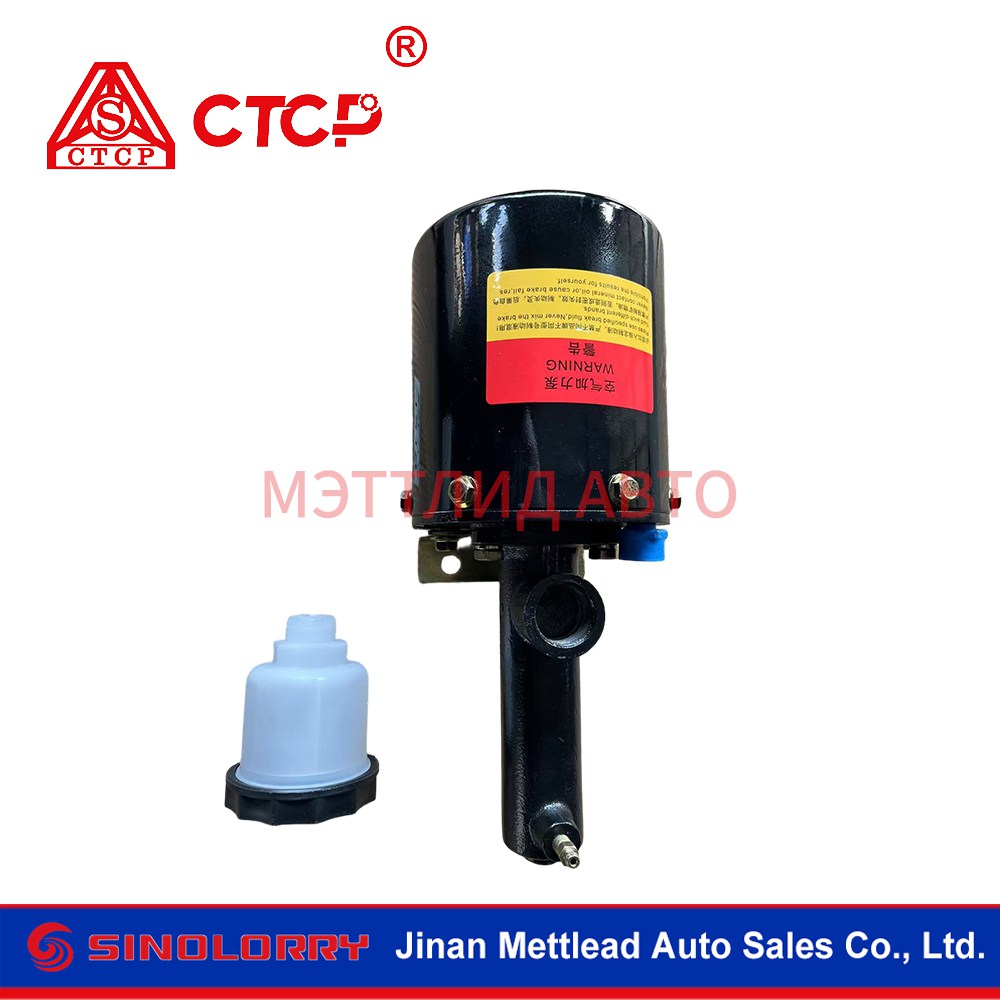
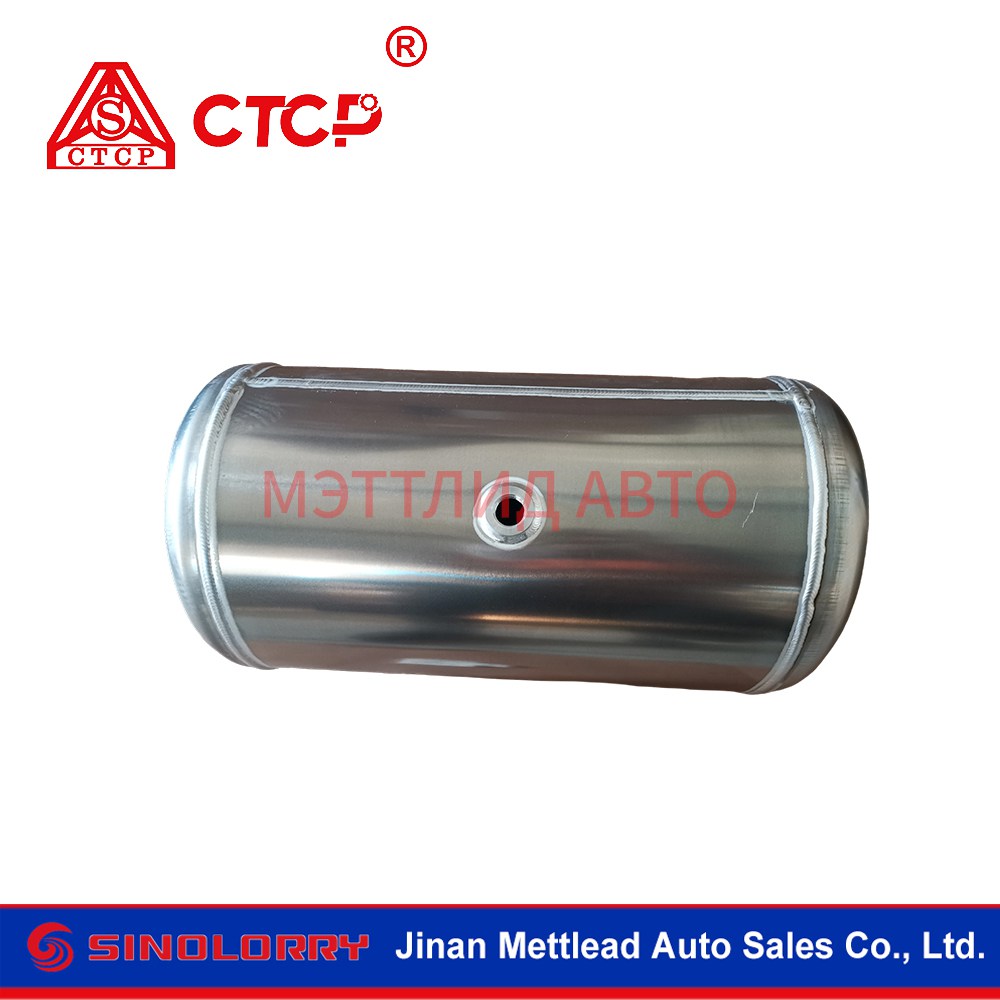
It is in this context that industrial and trading enterprises based directly in the manufacturing hubs of China, such asJinan Metallid Auto LLC. Located in Jinan, Shandong Province, which is known as the "auto parts hub" of China, this company specializes in the export of original and compatible spare parts for trucks, special equipment and buses. Through close cooperation with certified factory suppliers, Jinan Metalled Auto implements strict multi-level quality control: from the initial verification of technical characteristics to the final verification of packaging. This approach minimizes the risks inherent in direct imports and ensures high accuracy of deliveries.
The company's wide product matrix covers spare parts for heavy trucks (SITRAK, HOWO, SHACMAN, FOTON, FAW, DONGFENG, BEIBEN), engines (Weichai, Yuchai, Shangchai, etc.), special equipment (XCMG, Shantui) and buses. Having a team of technical engineers with more than 15 years of experience allows us to not only ship goods, but also provide expert support in the selection of components, which is especially important when working with complex Chinese equipment. The company also offers a “butler-style” service: transparent order support, flexible labeling and branding settings, which makes it an attractive partner for distributors and fleet owners in Russia, including the regions of the Southern Urals and Central Siberia.
Türkiye: The Golden Mean
Turkish manufacturers (for example, those producing brake discs, pads, suspension elements) occupy a stable niche of “premium analogue”. They historically supplied components to European assembly lines. Logistics from Turkey to Russia is well-established and takes 7-14 days by road. Prices are 15-20% higher than Chinese ones, but the quality of metal and rubber compounds is often closer to European standards. For critical safety components (brakes, steering), Turkish brands are one of the best choices in terms of price/quality ratio.
Localization and Russian production
Import substitution in the field of truck spare parts is gaining momentum. Russian factories are increasing the production of filters, brake linings, radiators and body parts. The advantage is the absence of currency risks and fast logistics. However, in the segment of high-tech electronics and precision mechanics (injectors, sensors, rolling bearings), the share of imports still exceeds 80%. When choosing Russian analogues, check the raw material base: whether imported steel/rubber or local materials are used. This directly affects the life of the part.
Action:If you purchase parts from China, request a video report of the packaging and labeling before shipping. This is a simple measure that eliminates 90% of cases of misgrading.
How to check the reliability of a supplier: a 7-point checklist
We have developed a practical Due Diligence algorithm for new counterparties. Use it before signing your first major contract.
- Checking legal data.Use open services (for example, Rusprofile or Checko) to analyze the financial stability of the company. Please note that there are legal cases regarding supply agreements. If a company often sues clients over product quality or deadlines, this is a warning sign. The company must be at least 3-5 years old for a serious player.
- Site and catalog audit.A professional supplier has an up-to-date website with easy navigation, technical drawings and cross-numbers. Check out a few random SKUs. If prices are not indicated or the range “from... to...” is indicated, this is a sign of opacity. The presence of a blog with technical articles indicates the expertise of the team.
- Test call to the sales department.Call under the guise of a purchasing manager. Ask a difficult technical question: “What analogue will you offer for a brand X power steering pump if the original is not available, and what is the difference in service life?” Answer rating: if the manager starts to float, suggests “something similar” without specifying the parameters, or switches to another specialist without comment, the level of service is low.
- Request a reference list.Ask for contacts of 2-3 current clients in your region or similar industry. Real suppliers do not hide their cases. Call these clients and ask about defect rates and meeting deadlines.
- Checking warehouse capacity.If the volume of purchases is planned to be large, request a video tour of the warehouse or arrange a personal visit. Pay attention to the address storage system, storage conditions for rubber products (protection from light and heat) and the packaging area. Chaos in the warehouse will inevitably lead to errors in your orders.
- Analysis of the contractual base.Carefully read the sections on liability for late delivery and delivery of low-quality goods. A reliable supplier is ready to bear responsibility and prescribes clear fines (penalties) for their mistakes. If the contract is drawn up in such a way that all responsibility is shifted to the buyer, look for another partner.
- Checking for certification.Request scans of certificates of conformity for the main product groups. Check their numbers in the online registers of the FSA (RosAccreditation). An expired or canceled certificate means that the supply of such goods is illegal.
Important warning:One of our clients lost 2 million rubles by making a 100% advance payment to a little-known supplier through a message board, who promised prices 30% below the market. The goods were not shipped, and the shell company was liquidated a month later. Never work with new counterparties on a 100% prepayment basis without thoroughly checking and insuring the transaction.
Logistics and inventory management: how to reduce costs by 15%
Choosing a supplier is only half the battle. The second half is effective interaction logistics. In 2026, the cost of domestic logistics continues to rise, so process optimization becomes a source of profit.
Implement a VMI (Vendor Managed Inventory) system for consumables. Provide your supplier with data on your consumption of filters, oils and pads. Let him formulate an offer to replenish your stocks to the minimum level. This reduces the risk of human error when ordering and frees up the time of your buyers. Many large distributors are willing to provide this service free of charge for purchases over a certain amount.
Consolidate orders. Instead of daily small purchases, create weekly or bi-weekly consolidated orders. This will allow you to qualify for volume discounts and reduce unit shipping costs. Agree with your supplier on fixed shipping days to your region. This will increase the predictability of supplies.
Use cross docking. If the supplier has a warehouse in your city, but the required part is not in stock, check the possibility of reserving the product from the central warehouse with delivery within 24 hours. Do not store expensive components (starters, generators, ECUs) that rarely break down in your warehouse. It is better to have a fast delivery channel from a reliable partner than to freeze working capital in dead stock.
Frequently Asked Questions
How to distinguish an original spare part from a fake?
Counterfeits are becoming increasingly high quality, but there are a few signs. Firstly, the packaging: the original always has clear printing, holograms and QR codes leading to the manufacturer’s official website for verification. Secondly, the quality of casting and surface treatment: there are no burrs, traces of rough processing or uneven coloring on the original parts. Thirdly, weight: counterfeits are often lighter due to the use of cheaper alloys. The most reliable way is to purchase from authorized dealers and check the VIN code through official catalogs. If the price is suspiciously low (30-40% below the market average), it is almost always a fake.
What should I do if the supplier sent the wrong part?
Do not install the part! Installing an incorrect part will automatically void the warranty. Immediately take a photo of the packaging, markings and the part itself. Draw up a statement of discrepancy on the day you receive the goods (or within the period specified in the contract, usually 3-5 days). File a claim with the supplier demanding a replacement or refund. According to the Law on the Protection of Consumer Rights and the Civil Code of the Russian Federation, the supplier is obliged to replace goods of inadequate quality at his own expense. Keep all correspondence and transport documents.
Is it possible to return spare parts if they do not fit?
Yes, but with restrictions. Technical parts that show no signs of installation and are kept in their original packaging can usually be returned within 14 days. However, many suppliers charge a reverse logistics and restocking fee of 10-20%. Parts that have been installed, electrical equipment and parts with traces of use cannot be returned unless they contain a manufacturing defect. Always check the return policy before purchasing.
Does the brand of the spare part affect your car insurance?
When calculating payments for CASCO or MTPL, insurance companies use average market prices for spare parts. If you installed a high-quality analogue instead of an expensive original, this should not affect the insured amount, but it may cause disputes in the event of a total loss of the car. It is important to keep all receipts and certificates for installed parts. In the event of an accident, the examination will take into account the actually installed components. The use of certified analogues is legal and is not a basis for refusal of payment.
How often should you change supplier?
There is no need to change suppliers regularly if they fulfill their obligations. Long-term partnership allows you to receive the best prices and priority service. However, once a year, conduct a tender or market monitoring. Request quotes from 2-3 competitors of your current supplier. This will give you leverage to negotiate discounts and show you whether your terms of business are outdated. If your current supplier is not prepared to respond flexibly to market changes, it is worth considering alternatives.
Conclusion: Smart Procurement Strategy
Truck Parts Supplier Ratings are not a static list, but a dynamic tool. The best supplier today may lose ground tomorrow due to changes in logistics routes or quality of shipments. The key to success is diversification. Do not rely on one counterparty. Have a main supplier (for 60-70% of the volume) and 1-2 reserve ones for critical items and price comparison.
In 2026, the companies that win are those that build partnerships rather than just transactional relationships. Share fleet development plans with suppliers, request forecasts on prices and availability. Transparency and mutual trust reduce costs for both parties.
Remember, the cheapest part may end up being the most expensive if it causes your truck to sit on the highway. Choose reliability confirmed by certificates and experience of other professionals.
If you are looking for a reliable partner to supply your fleet with quality spare parts in compliance with all EAC and GOST standards, we are ready to offer a customized solution. Our company specializes in the comprehensive supply of freight transport, ensuring a balance between price, quality and speed of delivery.
Contact us todayto receive a personal commercial offer and advice on the selection of spare parts for your equipment.