

Prices for spare parts for trucks: formation factors and features of the B2B market
2026-07-01
CONTENTS
- Role of the topic Truck parts prices in the industry
- Factors Affecting Truck Parts Prices
- Categories of spare parts and their impact on cost
- Features of the B2B market for heavy equipment and fleets
- Logistics, supplies and final cost formation
- Purchasing strategy for wholesale customers and distributors
- Conclusion: market stability and long-term cooperation
Role of the topic Truck parts prices in the industry
In the heavy commercial vehicle and engineering equipment segment, prices for truck parts are one of the key factors determining the efficiency of fleet maintenance and operation.
For enterprises operating in the fields of logistics, construction, mining and industrial transport, the cost of components directly affects budget planning for maintenance and repairs.
It is important to take into account that prices for spare parts for trucks reflect not only the cost of an individual part, but also the overall level of costs for maintaining the operation of the equipment throughout its entire life cycle.
Factors Affecting Truck Parts Prices
The formation of the indicator Prices for spare parts for trucks depends on many objective factors related to production, logistics and technical characteristics of products.
The main factors include:
– complexity of the part design and requirements for production accuracy;
– type of materials used and their durability;
– level of technological effectiveness of the production process;
– batch size and terms of wholesale supplies;
– costs of international logistics and transportation;
– requirements for quality control and product testing.
For the B2B segment, stability in pricing is especially important, since unstable prices for spare parts for trucks complicate long-term procurement planning.
Categories of spare parts and their impact on cost
Prices for spare parts for trucks directly depend on the category and purpose of specific components. Different groups of parts have different production complexity and resource load.
Main categories include:
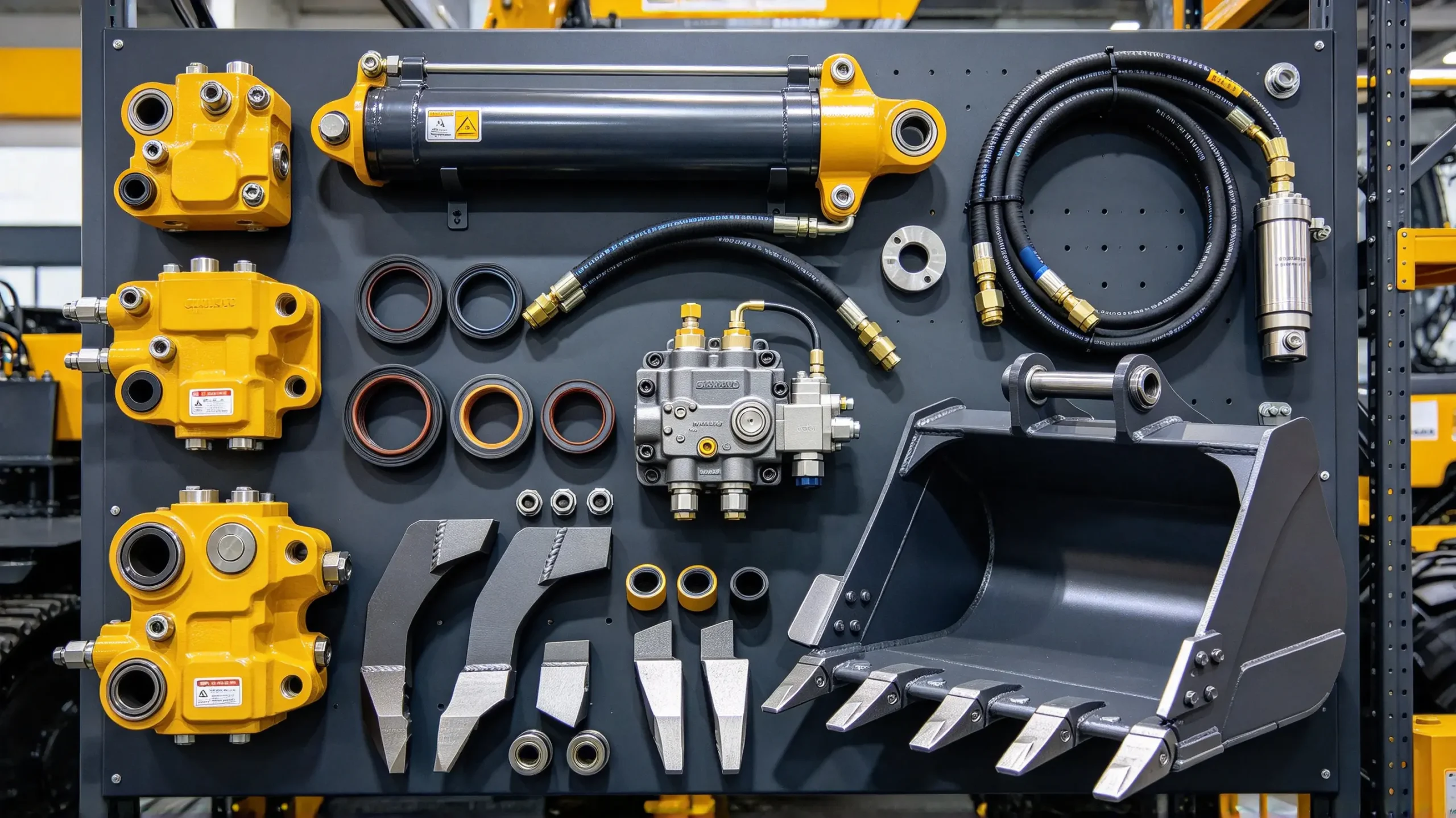
– transmission parts (gears, shafts, bearings, synchronizers);
– elements of the engine and power system;
– chassis and suspension components;
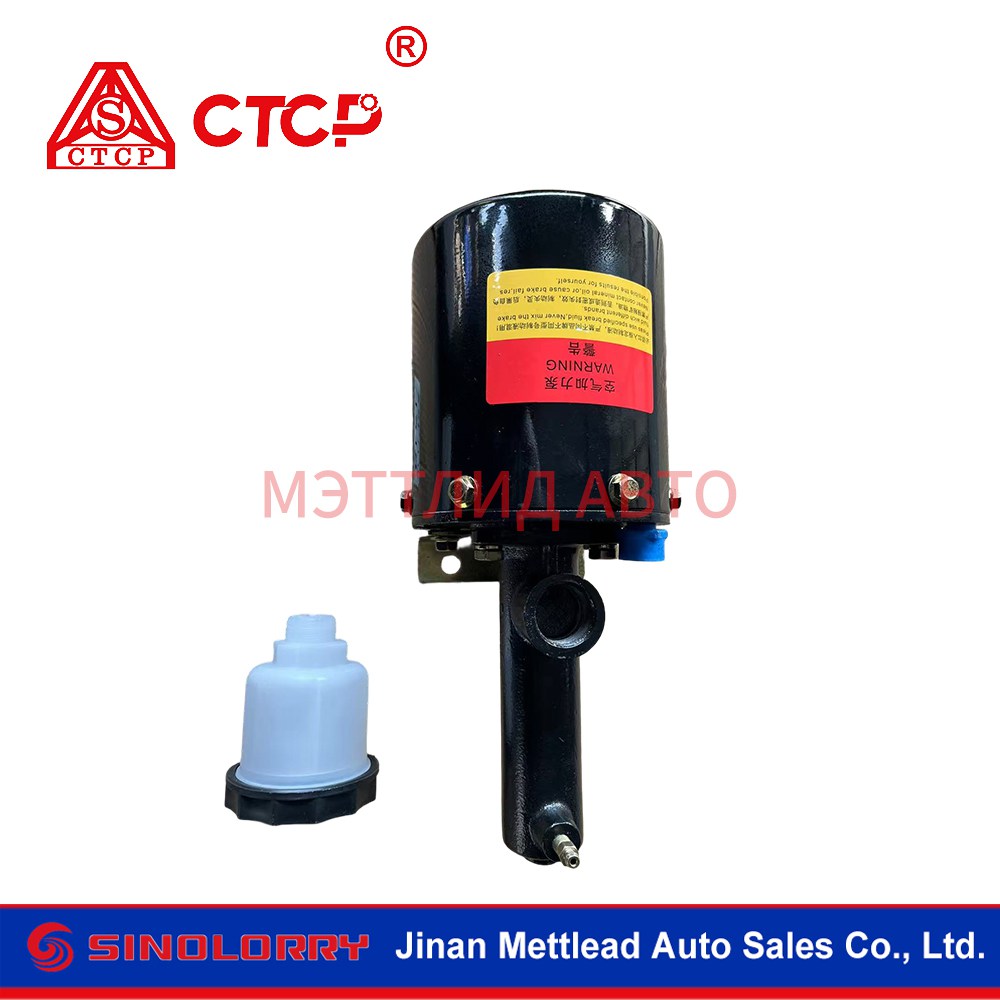
– braking systems and safety elements;
– sealing and consumables;
– repair kits and service kits.
The higher the load and durability requirements, the higher the requirements for materials and processing, which directly affects the prices of truck parts.
Features of the B2B market for heavy equipment and fleets
In the B2B segment, prices for spare parts for trucks are considered not as a one-time indicator, but as part of an overall equipment maintenance strategy.
Main features of the market:
– purchase of wholesale quantities to reduce costs;
– formation of warehouse stocks for operational cycles;
– long-term supply planning;
– unification of the assortment for vehicle fleet maintenance.
This is especially important for companies working with heavy trucks and engineering equipment, where equipment downtime leads to direct financial losses.
Logistics, supplies and final cost formation
In the structure of prices for spare parts for trucks, logistics and warehouse costs play a significant role.
The final cost is affected by:
– method and speed of transportation;
– international logistics chain;
– consolidation and cargo processing;
– warehousing and inventory management;
– urgency of order fulfillment.
For heavy equipment, it is especially important to maintain a balance between delivery speed and cost optimization to minimize equipment downtime.
Purchasing strategy for wholesale customers and distributors
For B2B clients Truck parts pricing is part of a long-term purchasing and inventory management strategy.
Key approaches include:
– purchase of large quantities to optimize cost;
– creation of reserve warehouse stocks;
– long-term contracts for the supply of components;
– planning purchases for vehicle fleet maintenance.
This approach allows us to stabilize costs and increase the efficiency of operation of equipment in the segment of heavy commercial vehicles and engineering equipment.
Conclusion: market stability and long-term cooperation
Truck parts prices are an important element in the functioning of the heavy equipment and aftermarket markets.
Their formation depends on many factors - from production technology to logistics conditions and the structure of wholesale supplies.
For B2B clients, the key becomes not only the cost level, but also the stability of supplies, predictability of terms of cooperation and the possibility of long-term procurement planning.
As the market for heavy commercial vehicles and engineering equipment develops, it is sustainable supply chains and a systematic approach to procurement that ensure efficient operation of vehicle fleets and reduced operating costs.