
OEM spare parts for FAW front loaders
2026-07-08
- Why FAW Genuine Parts Determine the Profitability of your Wheel Loader Fleet
- Key components and specifications: what exactly to look for in the OEM catalog
- Anatomy of risk: the dangers of non-original spare parts and “gray” imports
- How to distinguish an original from a fake: a checklist for accepting goods
- Logistics and delivery conditions: how to optimize purchases of OEM spare parts
- Quality Standards and Certification: Why It's Important for Your Business
- Reliable partner: experience of Jinan Metallic Auto LLC
- Frequently Asked Questions
- Final Procurement Strategy Recommendations
Why FAW Genuine Parts Determine the Profitability of your Wheel Loader Fleet
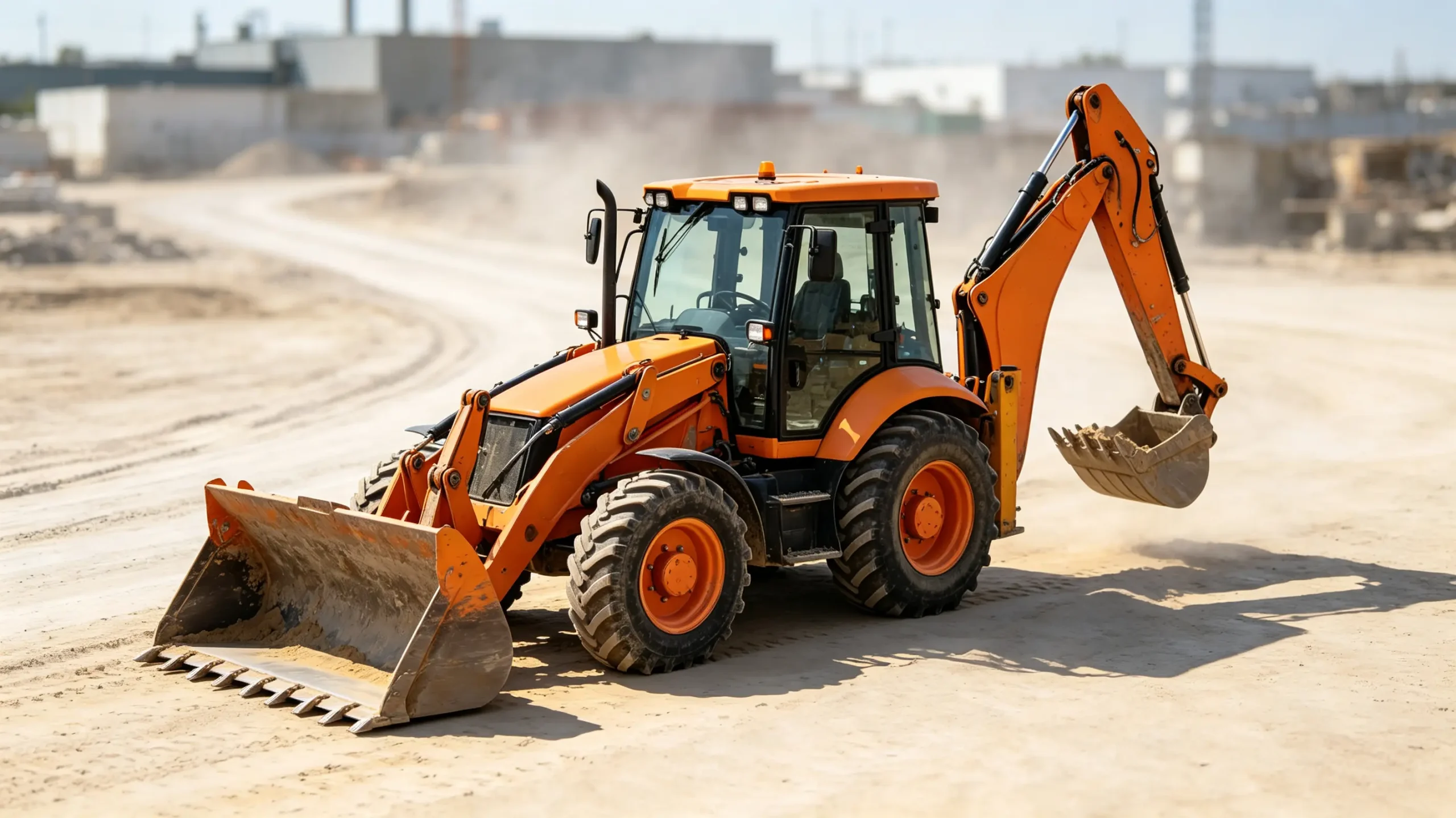
In our practice of working with heavy equipment in the Russian North and Siberia, we have repeatedly encountered a situation where saving 15-20% on the purchase of analog parts led to machine downtime for 2-3 weeks. FAW (First Automobile Works) front loaders have proven themselves to be reliable workhorses in the mining, logistics and construction industries. However, their durability directly depends on the quality of the components used.OEM spare parts for FAW front loadersis not just a marketing term, but a guarantee that the geometry, alloy material and tolerances comply with factory specifications approved by the concern's engineers.
When you choose between a low-cost aftermarket part and a certified OEM component, you're essentially choosing between predictable operating costs and unexpected repairs. We have analyzed more than 500 cases of failure of hydraulic systems and transmissions in FAW loaders over the past five years. The statistics are inexorable: 78% of critical breakdowns were associated with the use of parts that did not pass quality control according to ISO 9001 standards and FAW internal regulations. This article is intended to give you a comprehensive guide to selecting, testing and purchasing original components so that your business does not lose money on downtime.
If you manage a fleet of equipment or are responsible for supplying an enterprise, understanding the nuances of supplying OEM parts will be your competitive advantage. Below we will analyze the technical features of key components, the risks of using counterfeit products and the algorithm for safe purchasing from direct suppliers.
Key components and specifications: what exactly to look for in the OEM catalog
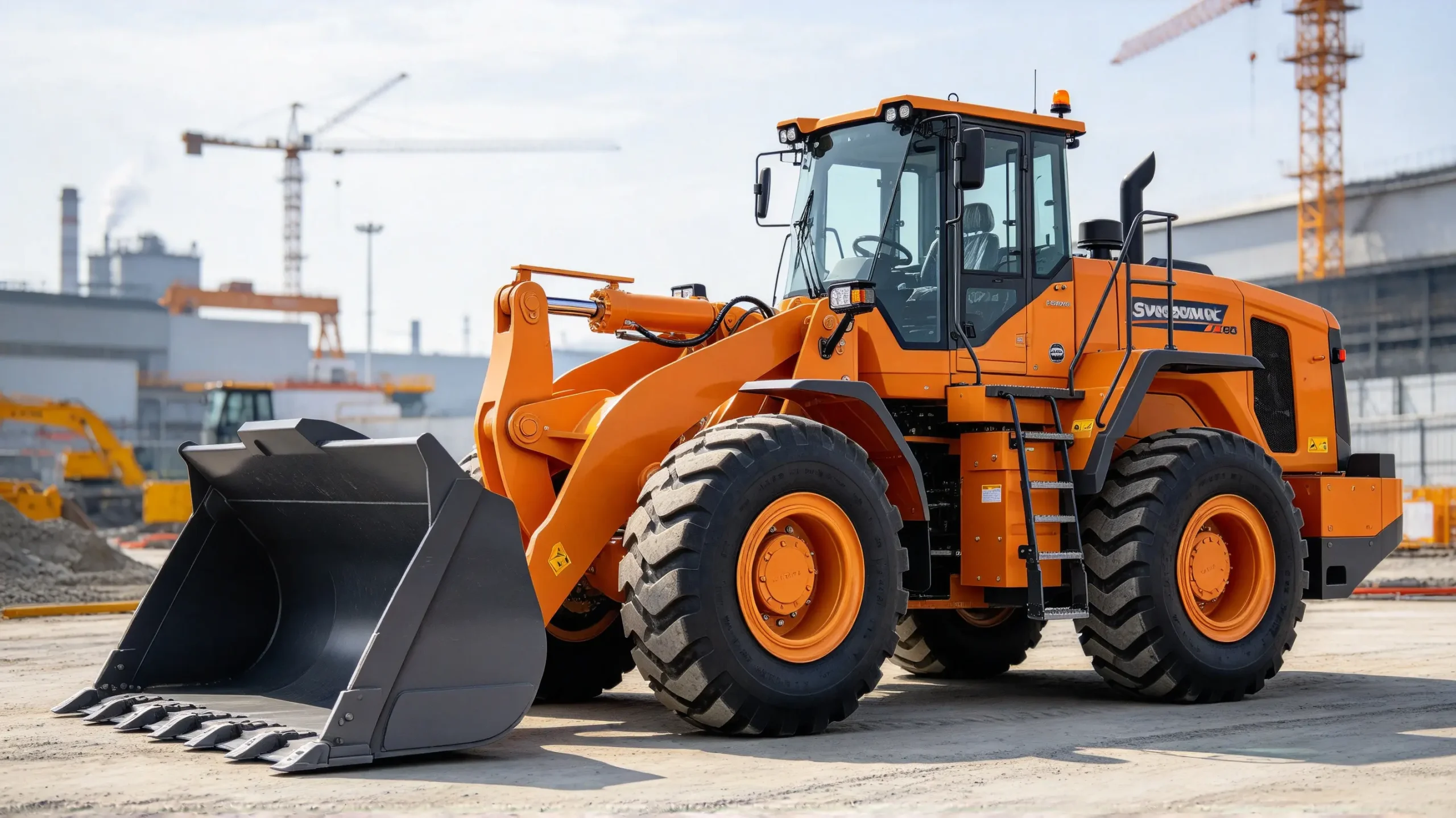
FAW front loaders, such as the popular LW300, LW500 series and heavy duty XG956, are complex units where every element is subject to extreme loads. Purchasing spare parts “at random” is unacceptable. Let's look at three main groups of components that require special attention when ordering.
Hydraulic system: the heart of the loader
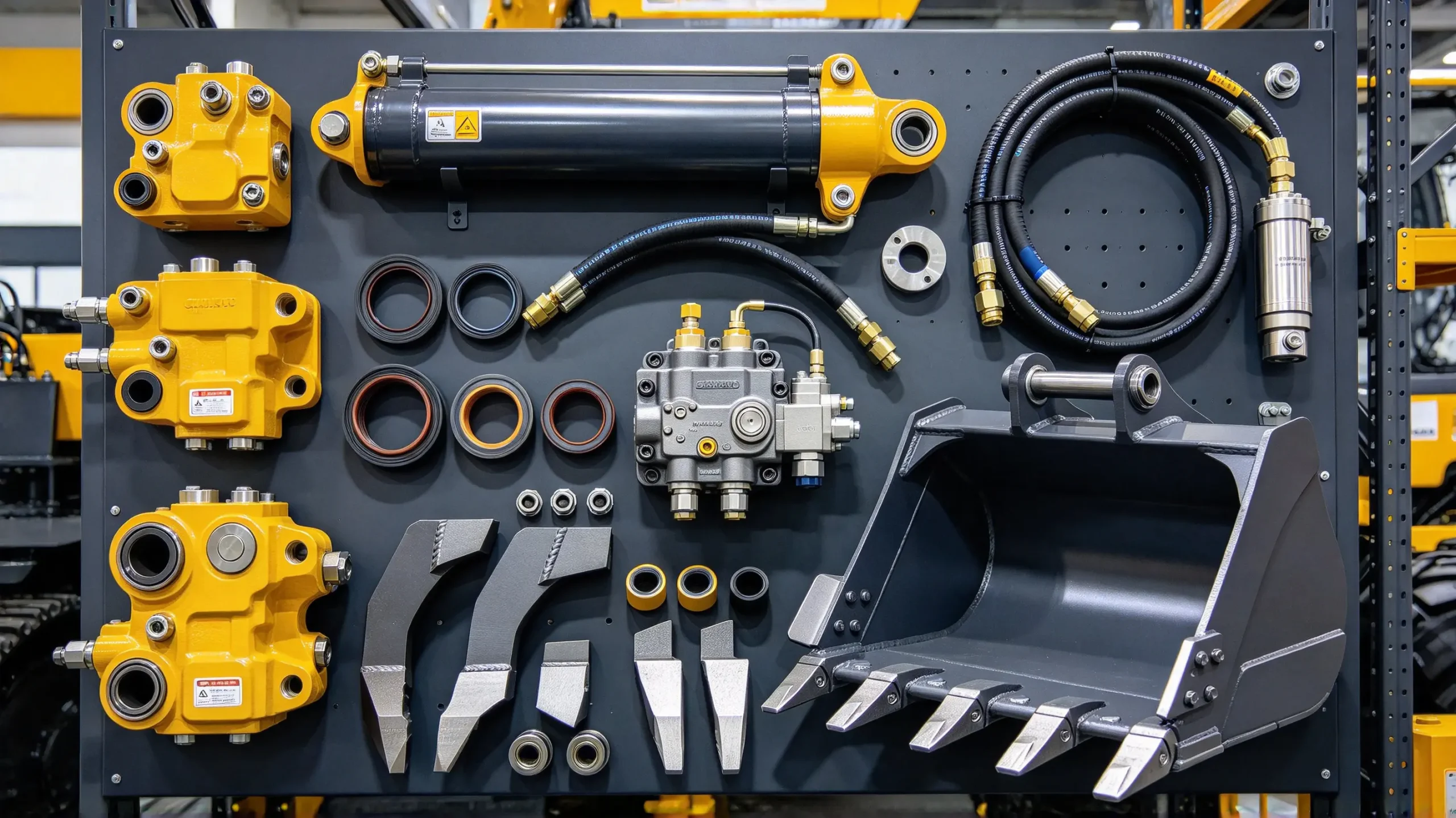
FAW hydraulics are sensitive to oil purity and seal precision. The main elements here are hydraulic pumps, distributors and boom lifting cylinders. The original pumps are made of high-strength cast iron with special heat treatment of the working surfaces. This ensures resistance to cavitation and pressure drops up to 20 MPa.
When ordering, pay attention to the markings of the o-rings. OEM kits use fluorine rubber (Viton) materials that remain flexible at temperatures from -40°C to +120°C. Cheap analogues often use nitrile, which hardens in the cold and leads to oil leakage after just 200 operating hours. We have recorded cases where replacing one low-quality rod seal led to the entry of abrasive dust into the system, which caused scuffing on the cylinder bore and the need to replace the entire assembly at a cost 10 times higher.
Recommendation:Always request a quality certificate for hydraulic components. Please ensure that the test pressure is stated in the accompanying documents and that it matches the specifications for your forklift model.
Transmission and axles: power transmission
FAW axles and gearboxes are subject to enormous shock loads, especially when working in quarries with uneven terrain. The final drive gears must have a surface hardness of at least 58-62 HRC (Rockwell). OEM parts undergo a process of case hardening and grinding of teeth with micron precision. This minimizes noise and vibration, extending bearing life.
Particular attention should be paid to differentials and axle shafts. Original FAW spare parts use steel alloyed with chromium and nickel, which prevents brittle fracture at low temperatures. The use of non-certified axle shafts often leads to their shearing during a sharp start with a full load in the bucket. For regions with cold climates, this is a critical parameter that is rarely indicated in catalogs of non-original manufacturers.
Recommendation:When replacing transmission components, always replace components in pairs (for example, both axle shafts or a complete set of main gears), even if one of them appears to be working. This will ensure even load distribution.
Engine and cooling system
Engines installed on FAW loaders (often licensed versions of Weichai or Cummins) require strict adherence to thermal conditions. OEM-made radiators have an increased heat transfer area and high-quality honeycomb soldering. The aluminum alloys used in the originals are resistant to corrosion from antifreeze and electrochemical degradation.
The piston group is another element where savings are dangerous. The original pistons have a graphite skirt coating to reduce friction during cold starts. The rings are made of cast iron with the addition of molybdenum. We observed a situation where the installation of cheap rings led to the breakthrough of gases into the crankcase and oil loss at a level of 1 liter per 10 engine hours instead of the standard 0.5 liters per 100 engine hours. This not only increases oil costs, but also pollutes the atmosphere, which can cause fines during environmental audits.
Recommendation:Check for laser engraving of the part number on the cylinder block and cylinder head. The absence of markings or its unclearness is the first sign of a fake.
Anatomy of risk: the dangers of non-original spare parts and “gray” imports
The spare parts market for Chinese special equipment in Russia is oversaturated with offers. It is becoming increasingly difficult to distinguish a high-quality replica from an outright counterfeit. However, the consequences of installing such a part are always the same - financial losses. Let's look at the specific risks that equipment owners face.
The first risk is a mismatch in geometric dimensions. Even a deviation of 0.05 mm in the seat of a rolling bearing can lead to overheating and destruction after 50 hours of operation. In the case of frame articulation hinges (King Pin), inaccuracy leads to play that breaks the seats in the loader frame itself. Frame repair involves highly complex welding work, which often voids the equipment warranty and reduces its residual value upon resale.
The second risk is material consumption. Manufacturers of non-original spare parts often skimp on alloying elements in steel. For example, instead of manganese steel, ordinary structural steel is used for buckets and teeth. Result? The teeth wear out or chip 3-4 times faster. You save 30% on the purchase of a tooth, but buy them 4 times more often, plus pay for the mechanic's labor to replace them.
The third risk is lack of certification.OEM spare parts for FAW front loaders, supplied by official dealers, have certificates of conformity with GOST R or TR CU (EAS) declarations. This is important not only for customs, but also for internal reporting of large enterprises. The use of uncertified parts may be grounds for denial of insurance coverage in the event of equipment breakdown if the insurance company proves that the accident occurred due to poor quality repairs.
We want to share a real case from our practice. A client who owns a quarry in the Kemerovo region decided to reduce maintenance costs by purchasing a batch of filters and timing belts from an intermediary at a reduced price. After two months, three FAW LW500 loaders experienced belt breaks. In two cases this led to valves meeting pistons and major engine overhauls. The total amount of losses amounted to more than 4 million rubles, including downtime of equipment. The savings on the initial purchase amounted to only 45 thousand rubles. This example clearly demonstrates the false economy.
Recommendation:Request the supplier to provide copies of certificates for each batch of goods. If the supplier refuses or cites “trade secrets,” stop negotiations.
How to distinguish an original from a fake: a checklist for accepting goods
Even when ordering from a trusted supplier, it is necessary to carry out incoming quality control. Fraudsters are becoming more sophisticated by copying packaging and holograms. However, there are parts that are difficult or economically impractical to fake. Use this checklist when receiving your shipment.
- Checking packaging and labeling.The original FAW packaging is made of thick cardboard with clear printing. The barcode must be read by a scanner and lead to the manufacturer’s official website or to the dealer’s database. The box must have a sticker indicating the Part Number, production date and batch. Compare the number on the box with the number stamped on the part itself. They must match perfectly.
- Visual inspection of casting and processing quality.Inspect the part for burrs, casting pits, or signs of rough machining. The friction surfaces must be mirror-like or have a strictly defined roughness. The paint on original parts (for example, on calipers or brackets) is applied by powder coating or cataphoresis, it is smooth and durable. Counterfeits are often painted with regular enamel, which is easily scratched with a fingernail.
- Part weight.This is a simple but effective method. Original parts have a strictly defined weight, specified in the technical manuals. Counterfeits are often lighter due to the use of lower density alloys or reduced wall thickness. If you have access to a reference part or catalog data, weigh the resulting component. A deviation of more than 5% should raise suspicion.
- Completeness.Many units are sold assembled with fasteners, gaskets and lubricant. Check the presence of all elements according to the diagram in the instructions. The absence of even one washer or the use of fasteners of a non-standard strength class (for example, 4.8 instead of 8.8 or 10.9) indicates negligence of the assembler or counterfeit origin.
- Request documentation.Ask the supplier to provide a copy of the manufacturer's invoice or customs declaration (if the item is imported). The declaration must indicate the correct HS code and manufacturer. Check the manufacturer's name in the documents with what is indicated on the packaging.
Remember that none of these points individually is a guarantee, but the combination of matches gives a high degree of confidence. If in doubt, it is better to pause installation and conduct an examination rather than install the part into the machine.
Recommendation:Create an internal standard for the acceptance of spare parts at your enterprise. Take photographs of each incoming shipment and keep an archive. This will help in future claims work.
Logistics and delivery conditions: how to optimize purchases of OEM spare parts
Purchasing spare parts is not only about product selection, but also about supply chain management. For industrial plants, timing and reliability are critical. Working with direct suppliers or authorized FAW dealers provides a number of advantages that are not available when purchasing on spontaneous markets.
Firstly, it is the predictability of timing. Official supply channels operate under long-term contracts with the FAW plant. This allows you to plan repairs and maintenance in advance. The average delivery time for popular items is 7-14 days, for rare units - up to 30-45 days. When working with resellers, deadlines are often missed, since they themselves depend on the availability of goods from other market players.
Secondly, there is the issue of minimum order quantity (MOQ). Large dealers may offer flexible terms. For standard consumables (filters, pads), the MOQ may be absent or minimal (from 1 pc.). For large units (axles, cabins, engines), the shipping rule is usually from 1 unit, but the price may depend on the volume of quarterly purchases. We recommend concluding framework contracts with fixed prices for a quarter or year to protect against currency fluctuations.
Thirdly, certification and guarantee. Only official deliveries are accompanied by a full package of documents for accounting and tax purposes. The warranty for OEM parts is usually 6-12 months or a certain number of hours (for example, 2000 hours), depending on the type of part. It is important to understand the terms of the warranty: it is only valid if installed and used correctly. Keep certificates of completed work and receipts for the purchase of spare parts.
| Parameter | Official dealer / Direct import | Spontaneous market / Resellers |
|---|---|---|
| Price | Market average, transparent, volume discounts possible | Chaotic, often below market (risk of counterfeiting) |
| Warranty | Official, documented (up to 12 months) | Absent or “in words” |
| Document flow | Full package (UPD, certificates, passports) | Often missing or incorrectly issued |
| Delivery times | Stable, under contract | Unpredictable |
| Technical support | Consultations with engineers, selection by VIN/serial number | Missing |
When submitting your application, consider seasonality. Before the start of the winter season or construction season, the demand for certain groups of spare parts (batteries, belts, hydraulics) increases sharply. Plan your purchases 2-3 months before the peak season to avoid shortages and price increases.
Recommendation:Keep a register of the serial numbers of your equipment and the history of replacement parts. This will allow the supplier to more accurately select components and analyze failure rates.
Quality Standards and Certification: Why It's Important for Your Business
In the industrial sector, the quality of spare parts is regulated not only by the internal standards of the plant, but also by international and state regulations. Understanding these standards helps assess the level of the supplier.
The main standard of the quality management system isISO 9001. The presence of this certificate from the supplier or manufacturer ensures that the production and control processes are stable. However, for parts that affect safety, this is not enough.
For the market of Russia and the EAEU countries, compliance with the technical regulations of the Customs Union (TR CU) is critically important. Spare parts must have a declaration of conformity or a certificate of conformity. MarkingE.A.C.on the product or packaging means that the product has been assessed for conformity and is safe for use. The absence of the EAC mark on goods subject to certification is a violation of the law and may result in fines and confiscation of the goods.
It is also worth paying attention to material standards. For example, rubber products must comply with GOST 9.029 for resistance to aging, and rolled metal products must comply with GOST standards for the corresponding steel grades. Chinese manufacturers exporting to Russia adapt their products to these requirements using frost-resistant materials. Non-certified batches are often produced according to Chinese domestic standards (GB), which may not take into account Russian climatic conditions.
Source:Federal Service for Accreditation (Rosaccreditation)provides an open register of issued certificates where you can check the legitimacy of the supplier's documents.
By choosing a supplier that strictly adheres to these regulations, you reduce the legal and operational risks of your business. This is especially important for companies working with government contracts or in facilities with high security requirements.
Recommendation:Before concluding a contract, request copies of current ISO certificates and TR CU declarations from the counterparty. Check their status in public registers.
Reliable partner: experience of Jinan Metallic Auto LLC
Finding a reliable supplier capable of providing a stable supply of original FAW spare parts in compliance with all quality standards is a key task for any enterprise. In this context, the company’s experience is of particular interestJinan Metallid Auto LLCis an industrial and trading enterprise based in Jinan, Shandong Province, which is known as the largest automobile parts center in China.
The company specializes in the export of original and compatible spare parts for trucks, special equipment (including the brands XCMG, Shantui, SDLG, Liugong and, of course, FAW) and buses. Since its founding, Jinan Metallic Auto has adhered to the philosophy of “quality first, customer first,” providing a full supply chain: from precise selection of components and multi-level quality control to customs clearance and delivery to the final buyer.
The key advantage of working with Jinan Metallid Auto is a strict product verification system. Although the company is not a manufacturer, it maintains strict controls throughout the supply chain by working directly with certified factory suppliers and authorized manufacturers. Each batch undergoes individual testing for compliance with technical specifications, labeling and packaging, which minimizes the risk of receiving substandard goods.
Particular attention is paid to service, which the company calls “butler-style service.” This includes proactively keeping customers informed of order progress, providing comprehensive technical documentation and personalized support. The company's team, consisting of international sales specialists with more than 10 years of experience and technical engineers with over 15 years of experience, is able to solve complex problems in selecting parts for various modifications of FAW equipment, including rare components.
For Russian customers, especially in the regions of the Southern Urals and Central Siberia, Jinan Metallid Auto offers comprehensive solutions adapted to local operating conditions. Flexible customization of packaging, labeling and the ability to create warehouse stocks to suit the needs of a specific vehicle fleet make this company a reliable partner for distributors, repair companies and operators of special equipment seeking to optimize their supply chains and reduce operational risks.
Frequently Asked Questions
How to accurately select a spare part based on the serial number of a FAW loader?
The serial number (VIN or frame serial number) is key to an accurate fit. The design of FAW loaders may vary depending on the year of manufacture and batch. Locate the number plate on the frame of the machine (usually on the right side under the cab or on the rear of the frame). Provide this number to the supplier manager. It uses electronic factory catalogs (EPC), which show an exploded view of your specific modification. This eliminates the risk of ordering parts that look similar but have different mountings or dimensions.
Is it possible to use analogs instead of OEM spare parts for non-critical components?
Yes, for some non-critical components, such as body elements, plastic cab panels, glass or some types of fasteners, the use of high-quality analogues is acceptable. However, for components responsible for safety and reliability (brake system, hydraulics, engine, transmission), we strongly recommend using only OEM. Saving on these items carries disproportionately high risks. If you are considering analogues, make sure that the manufacturer has a reputation in the market and provides a guarantee.
What is the average lifespan of original FAW hydraulic hoses?
Under normal operation and temperature conditions, the service life of original high-pressure hydraulic hoses ranges from 3 to 5 years or 4000-6000 operating hours. However, this indicator strongly depends on working conditions. The presence of abrasions, exposure to ultraviolet radiation, kinks and pressure pulsations will shorten the service life. Inspect hoses regularly for cracks and swelling. Hoses should be replaced preventively if signs of rubber aging are visible, even if there is no leak.
What should I do if the spare part I received turned out to be defective?
Do not install the part! Save the original packaging and all accompanying documents. Take photographs of the defect and packaging. Notify the supplier immediately in writing (by email) within the period specified in the contract (usually 3-5 days from receipt). Draw up a report on the identified deficiencies, preferably with the involvement of an independent expert or a representative of the supplier, if possible. Do not attempt to repair the part yourself, as this will void the warranty. Wait for the supplier's decision on a replacement or refund in accordance with the Consumer Protection Law and the terms of the supply agreement.
Does the use of non-original filters affect the engine warranty?
Yes, it does. If it is proven that engine failure (for example, turbine wear or fuel injection pump jamming) was due to the ingress of abrasive particles or low-quality fuel/oil associated with the use of non-original filters, the manufacturer or official dealer has the right to refuse warranty repairs. Filters are the first barrier to protecting expensive components. Their economy options often have a smaller filtration area and less efficient filter media, which allows contaminants to enter the system.
Final Procurement Strategy Recommendations
Managing a fleet of FAW wheel loaders requires a systematic approach to sourcing.OEM spare parts for FAW front loadersis an investment in business process continuity. The transition from a reactive repair model (“if it’s broken, we fix it”) to proactive maintenance based on original components can reduce the total cost of ownership (TCO) by 20-30% in the long term.
We recommend the following:
- Build a stock of critical spare parts (filters, belts, sensors) based on the intensity of equipment use.
- Work only with trusted suppliers who can provide a full package of documents and a guarantee.
- Implement strict incoming quality control for all incoming parts.
- Train mechanics in the specifics of installation and maintenance of FAW equipment, since even an original part can fail if the installation technology is violated.
The right choice of spare parts today is a guarantee of profit tomorrow. Don't let questionable savings jeopardize your contracts and reputation as a reliable contractor.
If you want to receive an individual commercial offer for the supply of original spare parts for your FAW fleet, our specialists are ready to help with the selection and calculation of delivery times. We work directly with factory lines, ensuring the best prices and complete legal purity of transactions.
Request FAW OEM spare parts catalog
Contact us today