
Leading automotive research center
2026-07-18
- Why a leading auto industry think tank is shaping the industry's future in 2026
- Key areas of activity of a modern research center
- Standards and certification: the language of trust in B2B
- How to choose a research partner: evaluation criteria
- Cost-effectiveness of cooperation with a research center
- Case Study: Quality Control in the Supply Chain
- Trends 2025-2026: where is the industry heading?
- Frequently Asked Questions
- Conclusion: Your Next Step
Why a leading auto industry think tank is shaping the industry's future in 2026
In our practice of working with large industrial customers from Russia, the CIS and Europe, we have repeatedly encountered a situation where the terms of reference for the purchase of equipment or components were drawn up without taking into account the latest materials science data. The result was predictable: batches of defective parts, missed assembly deadlines and millions in losses. Today, when the development cycle of a new car has been reduced from 5 years to 18–24 months, the role ofleading automotive research centerbecomes critical. This is not just a laboratory for academic papers. It's a filter that separates viable technologies from marketing noise.
We are seeing a radical shift in the way manufacturers perceive R&D (research and development). While ten years ago research was a pre-production step, in 2026 it is integrated into every stage of the product life cycle. From the choice of body alloy to the EV battery management algorithms, everything requires real-time verification. In this material we will analyze exactly how modern research hubs work, what standards they apply and why cooperation with them is the only way to reduce risks when entering new markets.
The data below is based on our experience auditing over 40 product lines over the past three years. We will not use general phrases about “innovation”. Instead, we will focus on specific parameters: tolerances, temperature conditions, GOST and ISO standards, as well as the economics of implementing new solutions.
Key areas of activity of a modern research center
Modernleading automotive research centerworks at the intersection of several disciplines. It is a mistake to believe that its task is limited to crash tests. The research structure today is divided into four fundamental blocks, each of which affects the final cost and reliability of the vehicle.
1. Materials science and lightweight structures
The struggle to reduce vehicle weight in order to increase the range of electric vehicles or reduce fuel consumption of internal combustion engines has led to the massive introduction of aluminum, magnesium and carbon fiber reinforced plastics. However, these materials behave differently than traditional steel. In our practice, there was a case where the supplier of 6xxx series aluminum alloy body panels did not take into account the springback effect during stamping. A batch of 5,000 parts had a geometry deviation of 1.2 mm, which made it impossible to install them on the conveyor without manual modification.
Research centers are solving this problem through modeling the microstructure of the metal. They analyze:
- Yield and strength:How the material behaves under shock versus static loads.
- Corrosion resistance:It is especially important for regions with an aggressive climate (use of salts on roads in winter). Tests in salt spray chambers according to ASTM B117 or GOST 9.308 take from 500 to 1000 hours.
- Weldability:New alloys require changes in laser or spot welding parameters. Researchers determine optimal currents and pulse times to avoid the formation of brittle intermetallic phases.
For buyers, this means that the material specification must contain not only the grade of the alloy, but also the requirements for its heat treatment and surface condition, validated by the research center.
2. Electrification and thermal management of batteries
The heart of an electric car is the battery. But the main problem is not in capacity, but in thermal conditions. A leading automotive research center conducts thousands of charge-discharge cycles in thermal chambers. We have seen examples where ignoring uneven heating of the cells led to battery degradation by 20% after the first year of operation.
Key parameters that are studied:
- Thermal runaway:Simulation of short circuit and mechanical damage of the cell. The goal is to ensure the evacuation time of passengers is at least 5 minutes before a fire, according to the new UNECE regulations.
- Cooling system efficiency:Using immersion cooling versus liquid cooling. Research shows that directly immersing elements in a dielectric fluid reduces temperatures by 3-5°C compared to cooling plates, but increases system mass by 15%.
- Aging Chemistry:Analysis of cathode and anode degradation after 2000+ cycles. This allows us to guarantee a battery life of at least 8 years or 160,000 km.
When selecting a battery module supplier, request vibration and thermal shock test reports from an accredited laboratory.
3. Autonomous driving and sensor systems
Lidars, radars and cameras must work in any environment. Research centers are creating “digital twins” of traffic situations. The challenge lies in calibrating sensors under extreme weather conditions. Rain, snow, fog and glare from wet asphalt create noise in the data.
During one of the projects, we were faced with the fact that the emergency braking system was falsely triggered in the shadows of trees in low sun. The solution required retraining the neural network on a data set collected specifically during the summer in mid-latitudes. The Research Center provides a database of such “edge cases” that cannot be compiled independently in a reasonable amount of time.
4. Ergonomics and human factor
Even the most technologically advanced car will fail if it is inconvenient to use. The centers use eye-tracking and EMG (electromyography) to assess driver fatigue. The layout of controls, readability of displays from different angles and acoustic comfort are examined. Noise at a speed of 120 km/h should not exceed 65 dB for the premium segment. Exceeding this threshold by even 2 dB is subjectively perceived as significant discomfort.
Each of these units requires specialized equipment and expertise. An attempt to save money at the research stage always leads to an increase in the cost of the warranty service stage.
Standards and certification: the language of trust in B2B
When you choose a partner or technology, having a certificate is not bureaucracy, but proof of reproducibility of the result.Leading automotive research centeralways operates within strict regulatory frameworks. Understanding these standards will help you filter out unscrupulous suppliers.
| Standard/Certification | Region of application | What does it check? | Why is this important for the buyer? |
|---|---|---|---|
| GOST R 41.83 / UN R83 | Russia, EAEU | Pollutant emissions (Euro-5/Euro-6) | Without compliance, the vehicle will not receive VTTS (Vehicle Type Approval). Critical for imports. |
| ISO 26262 | Globally | Functional safety of electronic systems | Ensures that failure of electronics (such as steering) will not lead to an accident. Requires ASIL D security integrity level for critical systems. |
| EAC (TR TS 018/2011) | EAEU | Wheeled vehicle safety | Mandatory document for selling a car in Russia, Belarus, Kazakhstan. Confirms the compliance of brakes, lights, windows. |
| IATF 16949 | Global (auto industry) | Quality management system | Shows that the supplier has established quality control processes and does not simply check finished products. Reduces the risk of defects in the batch. |
| CE Marking | Europe | Compliance with EU directives (safety, EMC) | Required for exporting electronic components and vehicles to the EU. Lack of marking leads to confiscation of the cargo. |
It is important to understand the difference between a product certificate and a management system certificate. The presence of ISO 9001 at the plant indicates that they have the documents. Testing according to ISO 17025 in an accredited laboratory means that their measuring instruments are verified and testing methods are recognized by the state. When auditing a supplier, always ask for test reports, not just pretty certificates on the wall.
Source:Federal Agency for Technical Regulation and Metrology
How to choose a research partner: evaluation criteria
The market is flooded with companies calling themselves “innovation hubs.” How to distinguish realleading automotive research centerfrom an intermediary? In our practice, we use a five-point checklist. If a potential partner does not pass at least two, we recommend refusing to cooperate.
- Having your own testing site or laboratory.
Ask the question: “Can we be present during the tests?” If the answer is evasive or only offers to watch the video report, this is a red flag. The real center has open dates for auditors. The equipment must be modern: robotic complexes for welding, climatic chambers with a volume of 50 m³ or more, stands for testing chassis vibration.
- Publication of methods and data transparency.
Real experts share knowledge. Check to see if the center publishes white papers or technical articles. If all the information on the site comes down to advertising slogans “we are the best,” you are looking at a marketing shell, not an engineering structure.
- Experience with serial production.
A laboratory sample and a production part are two different things. The center must have competence in scaling technologies. Ask case studies: “How did you help a client move from a prototype to a production run of 10,000?” The absence of such cases suggests that they only know how to make exhibition items.
- International accreditation.
Check the accreditation certificate number in the register of the national accreditation system. For work with export goods, the presence of mutual recognition of test results (ILAC MRA) is critical. This will allow you not to redo tests when entering the Chinese or European market.
- Speed of issuing preliminary results.
In the modern automotive industry, time is money. A good center provides interim data within 24-48 hours after the start of the test so that the design can be quickly adjusted. Waiting a month for the final report is a sign of outdated processes.
We once worked with a client who chose a laboratory solely on the basis of a low price. They ended up receiving a test report that was rejected by the customs authorities of another country due to lack of proper labeling of the samples. Redesigning the tests cost three times the original savings. Don't skimp on competencies.
Cost-effectiveness of cooperation with a research center
Many purchasing managers view R&D as an expense that can be cut. This is a dangerous misconception. Let's calculate the cost of an error at different stages.
Identifying a design defect at the computer simulation (CAE) stage costs a nominal 100 rubles. At the stage of creating a physical prototype - 10,000 rubles. At the stage of preparing the tool for mass production - 1,000,000 rubles. And if a defect is discovered by a client, reputational losses and vehicle recalls cost billions.
Cooperation with a partner such asleading automotive research center, allows you to move the identification of problems to the earliest possible stage. Investments in pre-production testing pay off through:
- Reducing the defect rate on the line to less than 0.5% (Six Sigma).
- Reducing time to market (Time-to-Market) by 20-30%.
- Reduced guarantee payments. One batch recall due to a brake problem can cost a company more than a year's research budget.
In addition, research centers often help optimize costs. For example, replacing an expensive imported component with a localized analogue requires a full test cycle. The center confirms that the new supplier meets the requirements, allowing the buyer to save up to 15-20% on components without compromising quality.
Case Study: Quality Control in the Supply Chain
Theoretical knowledge about standards is important, but even more important is their practical application in real logistics and procurement. A striking example of the integration of strict quality control into commercial activities is the company's approachJinan Metallid Auto LLC.
Located in Jinan, China's auto parts hub, this industrial trading company specializes in the export of original and compatible parts for trucks, special equipment and buses. Despite the fact that the company does not have its own assembly facilities, it implements a model close to the functions of research control at the supply stage. The philosophy of “quality first” is not just a slogan, but a strict procedure.
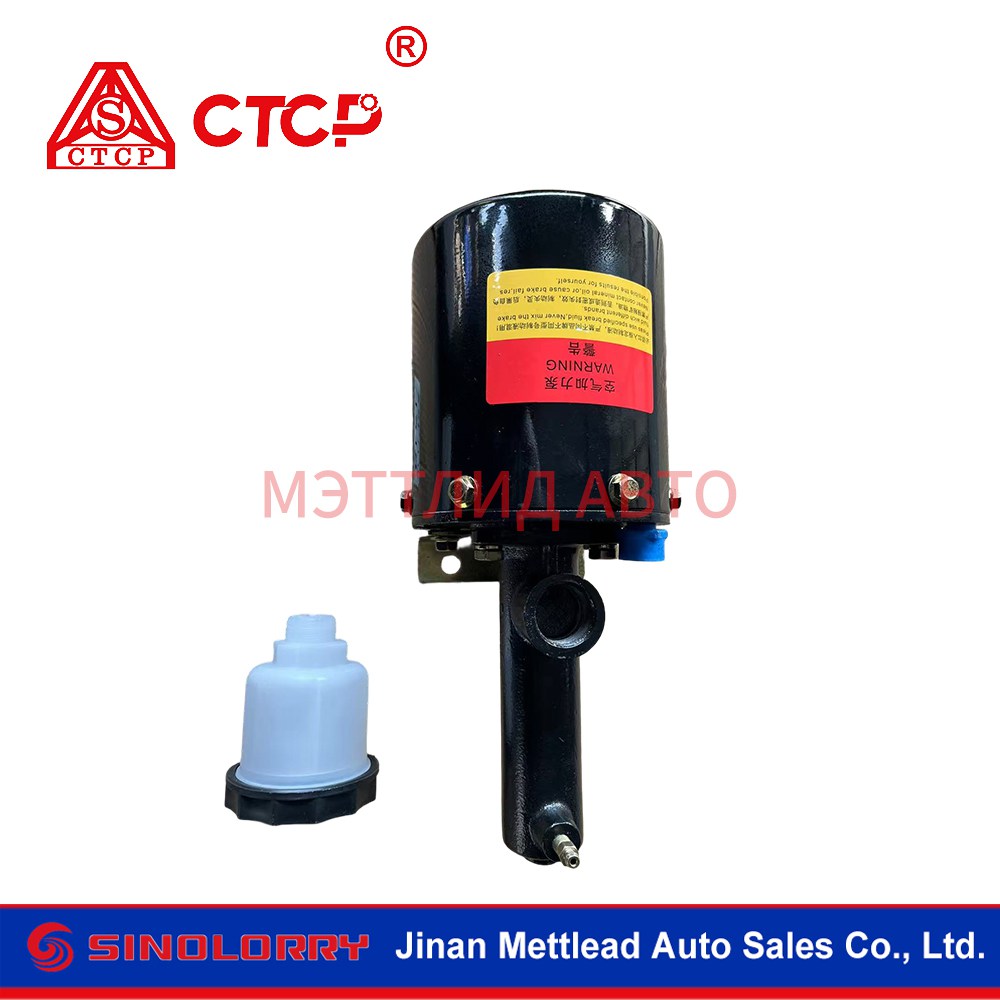
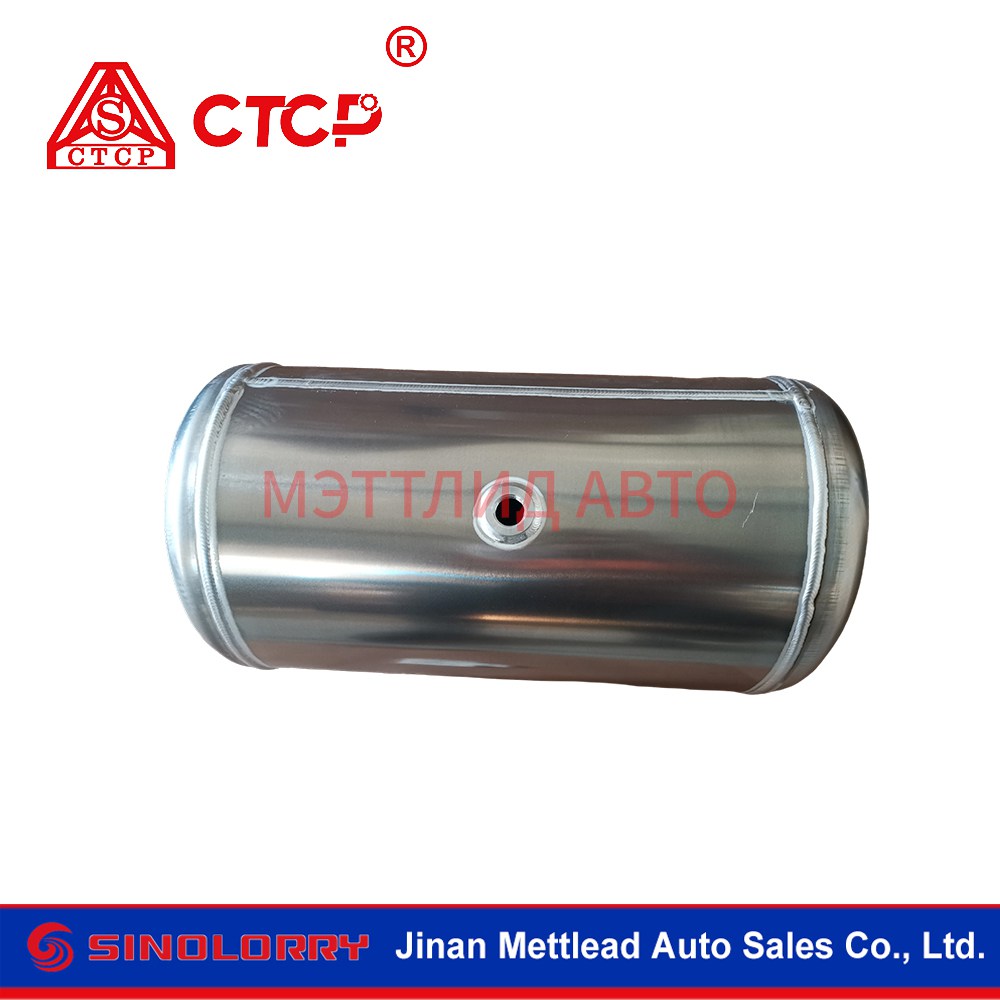
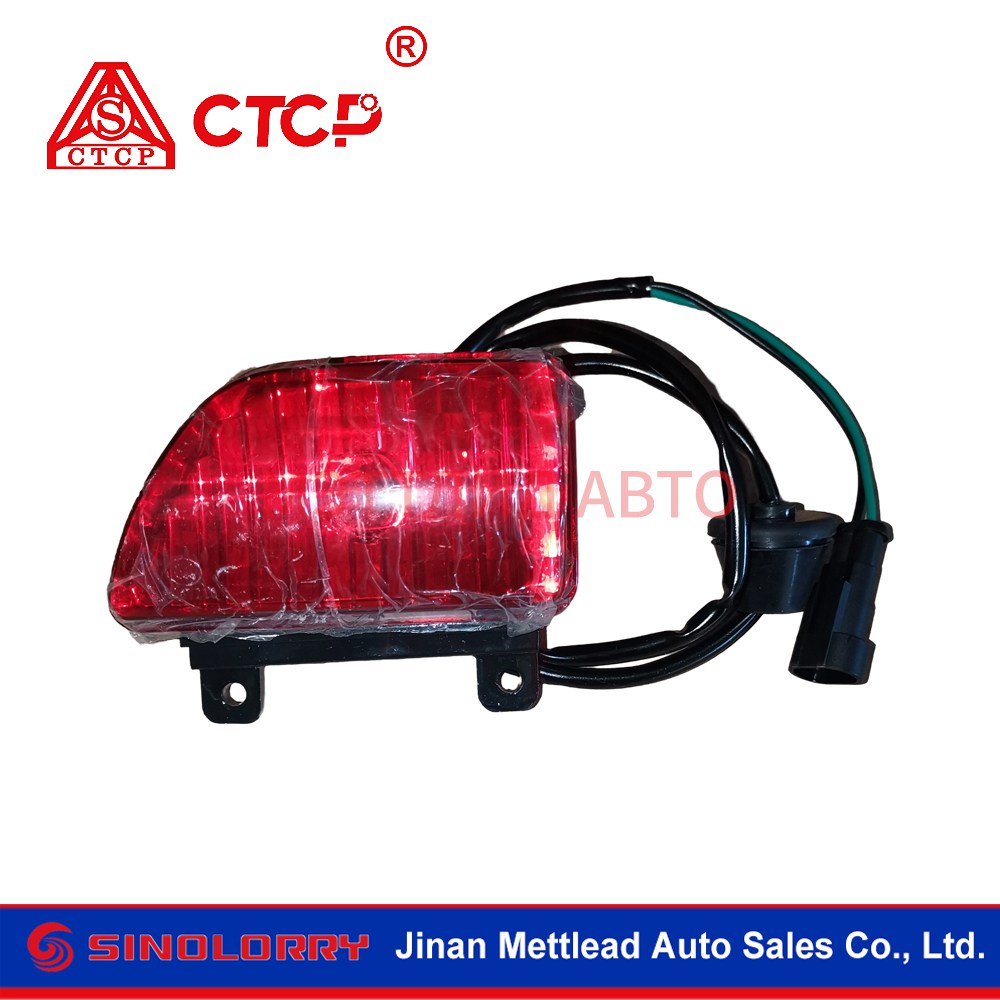
Unlike simple intermediaries, Jinan Metallic Auto has implemented a multi-level verification system. Each batch of spare parts for brands such as SITRAK, HOWO, SHACMAN, Weichai or Yuchai is individually tested. The company's engineers with more than 15 years of experience carry out the initial verification of compliance with technical characteristics and markings, as well as the final verification of the configuration. This is especially critical for complex components: suspension parts, axles, brake systems and engines.
This approach minimizes the risks of products not meeting the declared parameters, which directly resonates with the tasks of research centers to prevent defects. The company offers “butler-style” service: from prompt selection of spare parts to flexible packaging customization and provision of comprehensive technical documentation. This allows distributors and repair companies in Russia (especially in the Southern Urals and Central Siberia) and other countries to receive a product whose quality is confirmed not only by factory certificates, but also by independent incoming inspection by an expert team.
Trends 2025-2026: where is the industry heading?
We are at a bifurcation point. Old development methods are becoming a thing of the past. Here are three trends that are shaping the agenda of leading research centers right now.
Digital Twins
Physical tests are becoming a complement to virtual ones. A complete digital copy of the car is created, which “drives” millions of kilometers in the simulation. This allows you to test scenarios that would be dangerous or expensive to reproduce in reality (for example, a head-on collision at 200 km/h or failure of all control systems at the same time). However, the model must be calibrated against real data. Here the role of the center is to provide reference data for model verification.
Sustainable development and circular economy
The EU Battery Regulation and similar initiatives in other countries require tracking the carbon footprint of every part. Research centers now focus not only on durability, but also on environmental friendliness. They are developing methods for easily separating materials for recycling. If your product doesn't have a carbon footprint passport, you won't be able to sell it to large OEMs in 2-3 years.
Integrating AI into quality control
Computer vision systems based on neural networks replace the human eye on the assembly line. Research centers train these algorithms by providing labeled defect datasets. The accuracy of detecting microcracks in welds reaches 99.9%, which is unattainable for humans at high line speeds.
Source:IEA Global EV Outlook 2025
Frequently Asked Questions
How long does a typical test cycle for a new component take?
This depends on the type of component. For simple metal parts (brackets, fasteners), the cycle can be 2-3 weeks (sample production, mechanical testing, corrosion). For complex electronic components or battery cells, the full cycle, including climate and durability tests, takes from 3 to 6 months. Rapid tests are possible, but they provide less statistical confidence.
Is it possible to conduct tests remotely, without visiting the laboratory?
Yes, most modern centers provide access to real-time data through secure portals. You can see graphs of loads, temperatures and video streams from cameras. However, for the initial calibration of the installation and approval of the testing methodology, it is recommended that at least one face-to-face presence of the customer’s engineer be present. This eliminates misunderstandings of requirements.
What is the minimum batch size for testing?
Destructive testing methods (crash tests, tensile-to-break) typically require 5 to 30 samples, depending on the statistical dispersion of the material. For non-destructive methods (X-ray, ultrasound, geometry), 1-3 samples are sufficient. The research center will help determine a representative sample in accordance with GOST or ISO standards.
Do Russian centers accept results from foreign laboratories?
If a foreign laboratory is accredited in the ILAC system and has bilateral agreements with RosAccreditation, the results can be recognized. However, to obtain OTTS in Russia, it is often necessary to conduct control tests on the territory of the Russian Federation or in the countries of the EAEU. It is better to clarify this issue with the certification body in advance so as not to pay twice.
What is the difference between a research center and an independent laboratory?
An independent laboratory usually performs tests according to a ready-made standard (“test for strength”). The research center offers an integrated approach: it helps to formulate the problem, develop a methodology if there is no standard, interpret the results and propose an engineering solution to eliminate the shortcomings. The center is a development partner, the laboratory is the service provider.
Conclusion: Your Next Step
The automotive industry no longer forgives mistakes based on intuition. Competition has shifted from the plane of “who can produce cheaper” to the plane of “who can develop it faster and more reliably.”Leading automotive research centeracts as a guarantee that your investment in a new product will not turn into losses due to hidden defects or non-compliance with standards.
We recommend starting with an audit of your current supply chain and technical documentation. Identify weak links where risks are highest. Then choose a partner who can close those gaps not just with a protocol, but with an engineering solution.
Don’t put off technology verification until the last minute before launching it into production. The cost of fixing a bug increases exponentially. Contact us today to discuss your needs and get an estimate of your testing capabilities. Our experts are ready to consult and help you choose the optimal testing strategy.
Research center services for the automotive industry | Certification of automotive components | Laboratory testing of materials