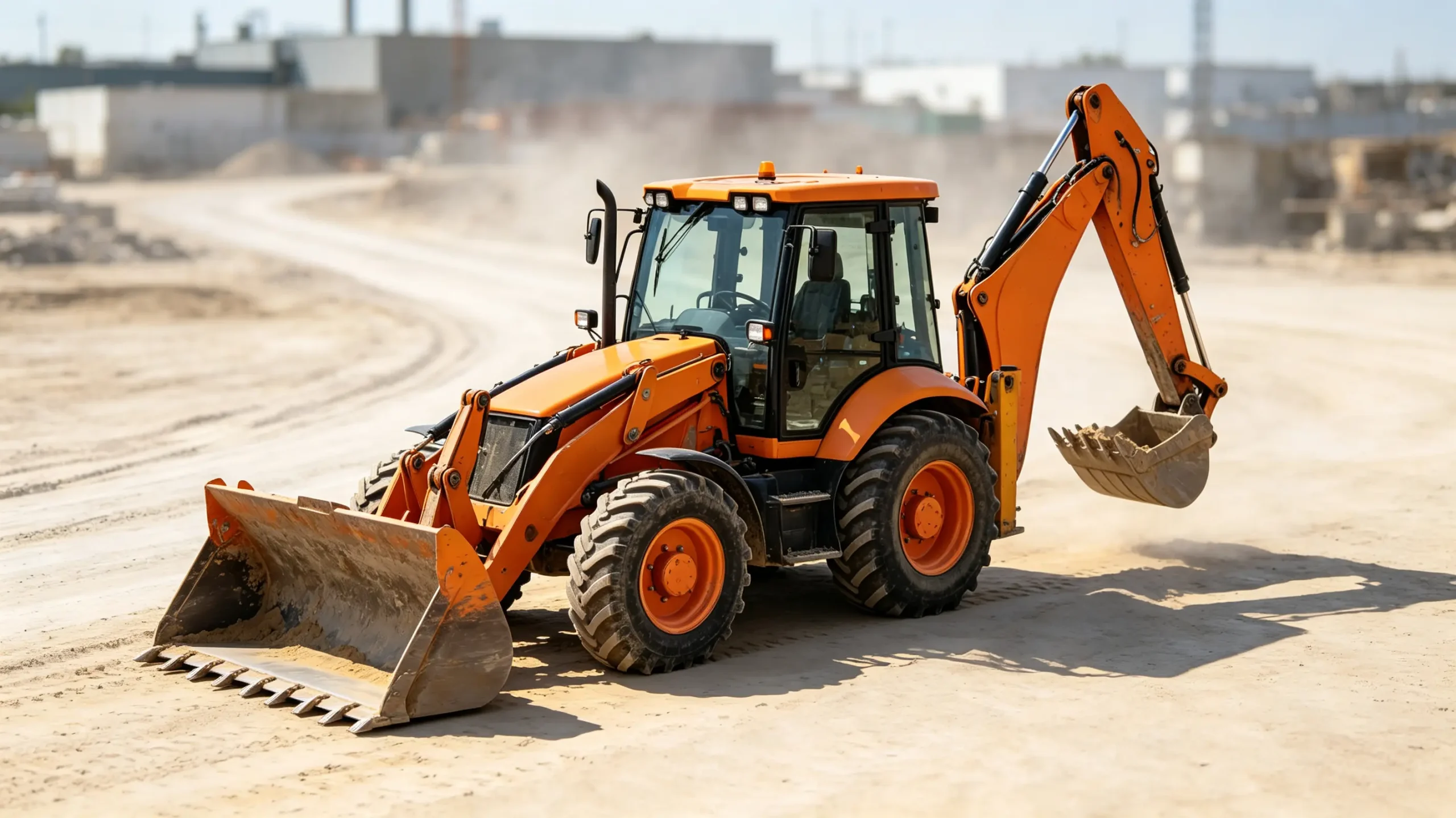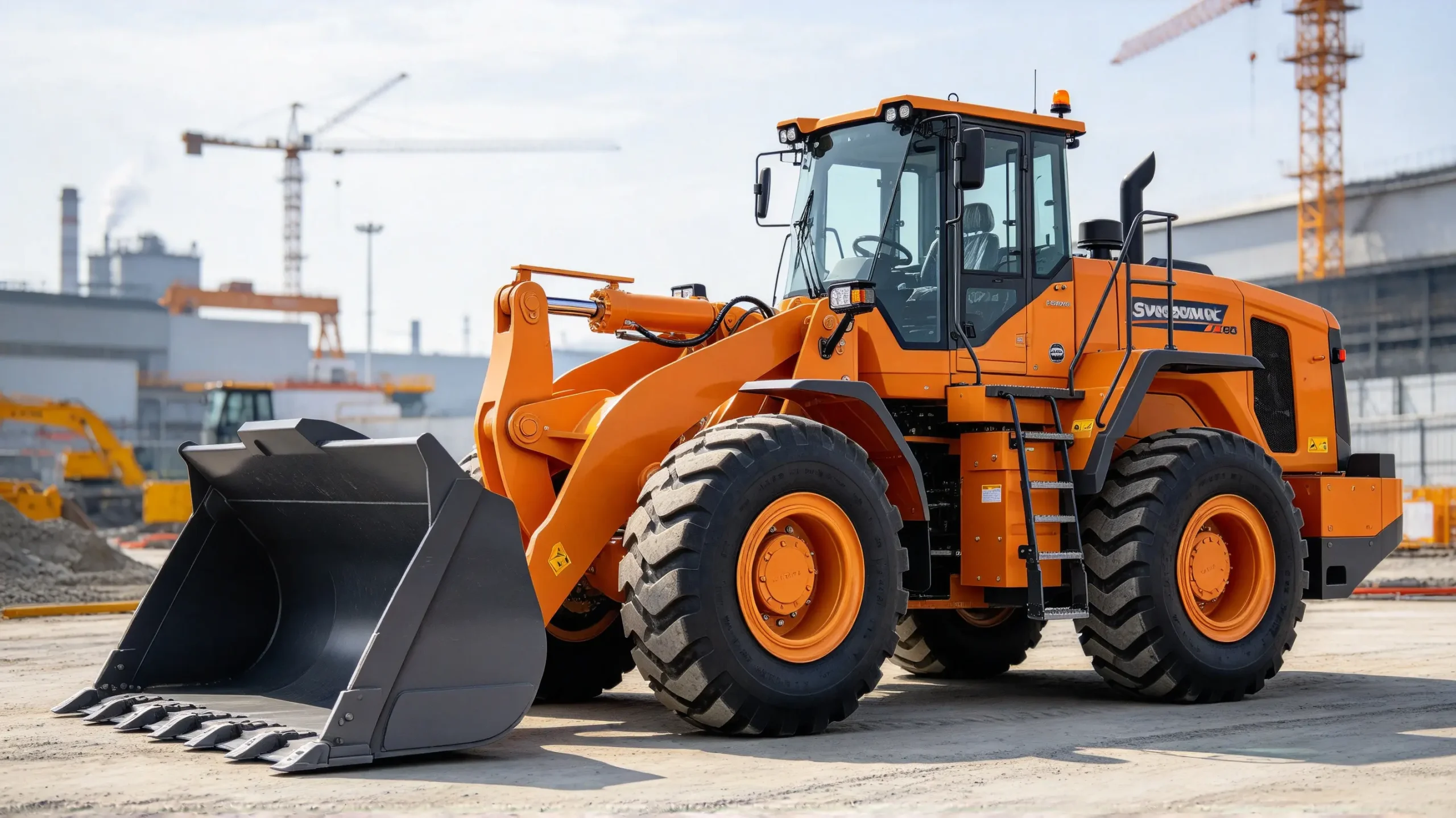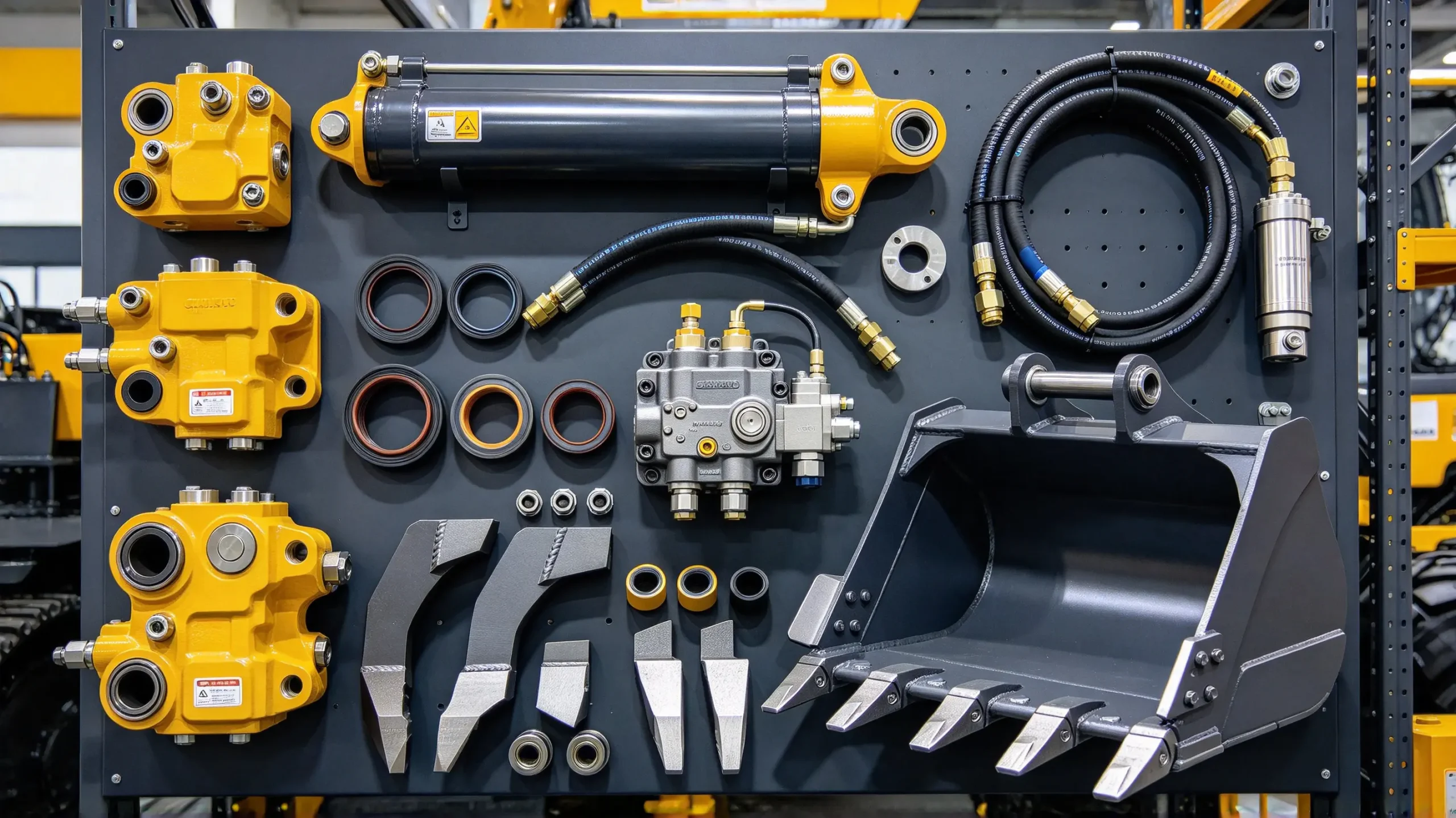

SPARE PARTS for FOTON 1852: clamp
2026-07-19
- SPARE PARTS for FOTON 1852: the clamp is a critical element of the reliability of the power unit
- Technical requirements for clamps for the Foton 1852 cooling system
- Hydraulic system and fuel lines: specifics of choice
- Types of clamps: comparative analysis and applicability
- Quality Issue: Chinese OEM vs Aftermarket
- Logistics and purchasing: how to avoid downtime
- Instructions for correct installation of clamps
- Standards and certification: what to look for
- Frequently Asked Questions
- Conclusion: Reliability starts with the details
SPARE PARTS for FOTON 1852: the clamp is a critical element of the reliability of the power unit
In our practice of working with Chinese trucks and special equipment, we have repeatedly encountered a situation where the downtime of expensive equipment was caused not by a breakdown of the engine or transmission, but by the failure of a seemingly insignificant part - a clamp. For owners and logistics managers operating Foton Lovol 1852 tractors (and their modifications), the question of selecting qualitySPARE PARTS for FOTON 1852: clampis not just a maintenance issue, but a strategic objective to ensure the continuity of business processes.
The Foton 1852 tractor is a powerful machine that operates under conditions of high vibration loads, temperature changes and aggressive environments (dust, dirt, fertilizers, fuel). Under such conditions, standard fasteners quickly lose their properties. An incorrectly selected clamp can lead to depressurization of cooling systems, fuel leaks or damage to hydraulic hoses. The consequences range from reduced operational efficiency to complete failure of components, the cost of repair of which amounts to thousands of dollars.
This article was written by engineers who daily select components for industrial equipment. We will not retell the catalogs. We will look at why original clamps are often inferior in quality to aftermarket solutions, how to choose the right material and type of fixation, and where to look for suppliers capable of ensuring consistent batch quality. If you are reading this, it means that you are faced with the problem of frequent replacement of fasteners or want to optimize your spare parts inventory. Let's understand the technical details that influence your choice.
Technical requirements for clamps for the Foton 1852 cooling system
The cooling system of the Foton 1852 diesel engine operates in severe thermal conditions. The operating temperature of antifreeze can reach 90–105°C, and at peak loads, especially when working in summer or in difficult soil conditions, local overheating of the pipes is possible. This is where most cheap clamps fall short.
The main problem we face when analyzing customer returns is metal fatigue and loss of clamping force. Cheap mild steel band clamps will stretch over time. When the rubber pipe heats up, it expands and when it cools down, it contracts. This cyclic process requires the clamp to be able to accommodate changes in diameter without losing seal. If the clamp does not have sufficient elasticity or its locking mechanism has play, microleakage occurs. Over time, antifreeze washes out the lubricant from the screw threads, corrosion begins, and the clamp finally weakens.
The following parameters are critical for Foton 1852:
- Adjustment range:The cooling system pipes have different diameters. Standard sizes range from 30 mm to 60 mm. Using a clamp with an excessive range (eg 40-70mm on a 42mm pipe) reduces the contact area and increases the risk of the edge of the band cutting through the rubber.
- Tape width:For pipes with a diameter of more than 40 mm, we recommend using clamps with a width of at least 9–12 mm. Narrow clamps (5–7 mm) create pinpoint pressure that can damage the rubber structure, especially if it has already lost its elasticity due to aging.
- Material:Mandatory use of stainless steel grades AISI 201 (for budget solutions in temperate climates) or AISI 304 (for aggressive environments and long service life). Ordinary galvanized steel rusts within one season of active use in conditions of high humidity and contact with chemicals.
We carried out tests comparing the service life of standard black clamps supplied from the factory and AISI 304 stainless steel clamps. The result was clear: after 1200 operating hours, the black clamps had visible signs of corrosion and required broaching, while the stainless clamps retained the original clamping force. This is direct evidence that savings on fastener material come at a higher cost in the form of maintenance costs.
When ordering a batch of spare parts, always check the thickness of the tape. The optimal value for Foton 1852 is 0.8–1.0 mm. Thinner tapes (0.6 mm) are easily deformed when tightened with a wrench, which leads to uneven pressure distribution.
Hydraulic system and fuel lines: specifics of choice
If the cooling system suffers from temperatures, then the hydraulics and fuel system of the Foton 1852 are subject to high pressure and vibration. An error in choosing a clamp here can lead not just to a leak, but to a fire hazard or loss of control of the attachment.
For low pressure fuel lines, worm-drive clamps are often used. However, for areas where pressure pulsation is possible (return line, connection to the pre-filter), we strongly recommend the use of double-band clamps or reinforced designs. The vibration of the Foton diesel engine transmits resonant vibrations to all connected hoses. A regular single-band clamp can gradually “saw off” a groove in a hose, especially if the hose is made of soft rubber.
In a high-pressure hydraulic system (connection of a hydraulic pump, distributor, hydraulic cylinders), the use of conventional worm-type clamps is unacceptable. Here, special flange connections or ultra-high pressure clamps with a hinge mechanism are used. However, in the oil drain lines and crankcase ventilation areas, clamps play a key role. A hydraulic oil leak not only leads to loss of working fluid, but also to environmental pollution, which is especially important when working on environmentally sensitive sites.
One of our logging customers experienced a series of hydraulic hose failures on a loader mounted on a Foton 1852 base. This turned out not to be due to the quality of the hoses, but to the fact that the mechanics were using standard clamps with a smooth inner tape on the corrugated hoses. Under the influence of vibration, the clamps slipped from the crests of the corrugation. The solution to the problem was to replace it with clamps with a serrated inner surface (with notches), which are securely fixed to the hose surface, preventing axial displacement.
When selectingSPARE PARTS for FOTON 1852: clampfor hydraulics, pay attention to the presence of certificates of compliance with pressure standards. Although the clamp itself does not hold high pressure inside the hose, it should ensure a tight connection, preventing the hose from being squeezed out from under the fitting under impulse loads.
Types of clamps: comparative analysis and applicability
There are many types of clamps on the market, but not all of them are suitable for heavy equipment. Below is a detailed comparison of the main types used in servicing the Foton 1852.
| Clamp type | Applicability to Foton 1852 | Benefits | Disadvantages and risks |
|---|---|---|---|
| Worm Drive | Cooling system, air ducts, low pressure fuel lines. | Low cost, ease of installation, wide range of adjustment. | Risk of damage to the hose if over-tightened; possibility of self-unscrewing in case of strong vibration without the use of lock washers. |
| Bolt Clamp | Silicone turbine pipes (if there is a modification), large air ducts. | Uniform pressure distribution around the entire circumference; minimal risk of hose damage. | High cost; requires more installation time; access to the bolt is required from both sides (not always convenient in a cramped engine compartment). |
| Spring Clamp | Factory settings on some cooling pipes. | Automatic compensation of thermal expansion/contraction; quick installation. | Requires special tools for installation/disassembly; limited range of operation; It is difficult to find a replacement of a suitable diameter in the field. |
| Power with T-Bolt Clamp | Intercoolers, high-load intake system connections. | Extremely high clamping force; resistance to extreme vibrations. | Overkill for regular rubber hoses (may cut them); high price; difficulty of adjustment. |
For most Foton 1852 maintenance tasks, quality stainless steel worm-drive clamps are the best choice. However, it is important to choose models with a reinforced lock body. Cheap analogues have a thin lock that can burst when tightened with a torque wrench or when the hose expands. We recommend paying attention to clamps where the tape passes through the lock twice (double pass) or has reinforced stamping in the screw fastening area.
Another important nuance is the shape of the screw head. For technology, it is preferable to use screws with a hex head (wrench or socket head) rather than with a slot for a screwdriver. Spline screws often break off when you try to tighten them with the required force, especially if they are covered in dirt or corrosion. Hexagonal fasteners allow the use of pneumatic tools, which speeds up service work.
Quality Issue: Chinese OEM vs Aftermarket
Many owners of Foton equipment believe that the only correct way is to order original spare parts from a dealer. In the case of clamps, this misconception can cost you extra money. Original clamps delivered off the assembly line are often manufactured at a minimal cost. Their task is to ensure the operation of the machine during the warranty period. After the warranty expires, these clamps often require replacement.
The aftermarket (non-original spare parts) offers solutions that often surpass the original in quality of materials. Chinese factories that specialize specifically in the production of fasteners (and not assembling entire tractors) have more stringent quality control of metal and heat treatment. For example, clamps produced in factories in Zhejiang or Jiangsu that export to Europe under Tier-1 supplier brands often meet DIN 3017 or SAE J1508 standards.
However, the market is saturated with low-quality products. How to distinguish a good clamp from a bad one without laboratory tests? Here are the signs we look for when auditing suppliers:
- Quality of tape edge processing:The edges should be rolled or smoothly ground. Sharp edges will inevitably damage the hose when vibrating.
- Screw thread:It should be clean, without burrs. The screw should rotate smoothly, without jamming. Sticking causes the mechanic to be unable to control the tightening force.
- Coverage:If it is not stainless steel, then the zinc coating should be uniform, without bald spots. The coating thickness should be at least 10–12 microns.
- Marking:Quality manufacturers place a stamp with a steel grade (for example, “A2” or “304”) on the lock body or band. Lack of marking is a reason to doubt the declared material.
This is where the expertise of professional suppliers comes to the fore.Jinan Metallid Auto LLCis an industrial and trading enterprise based in Jinan, the heart of the Chinese automobile industry. The company specializes in the export of spare parts for trucks and special equipment, including Foton, and adheres to the philosophy of “quality first.” Unlike ordinary resellers, Jinan Metallid Auto implements strict multi-level quality control: from checking technical characteristics to final verification of packaging. Through close collaboration with certified factory suppliers and a team of engineers with 15 years of experience, the company ensures that each batch of clamps meets the stated standards of strength and corrosion resistance. This approach minimizes the risk of getting defective, which is critically important when creating warehouse stocks for large equipment.
Logistics and purchasing: how to avoid downtime
Clamps are a consumable item. They cannot be purchased one at a time as they break. This approach leads to equipment downtime waiting for delivery. The correct procurement strategy involves the formation of a safety stock.
For a fleet of 10 Foton 1852 tractors, we recommend having the following minimum set of clamps in stock:
- Clamps d=30-40 mm: 20 pcs.
- Clamps d=40-50 mm: 20 pcs.
- Clamps d=50-60 mm: 15 pcs.
- Clamps d=60-70 mm: 10 pcs.
- Reinforced clamps for hydraulics: 10 pcs.
This set covers 90% of the needs for scheduled maintenance and emergency repairs. The cost of this stock is not comparable to the losses from one day of tractor downtime during the sowing or harvesting campaign.
When importing spare parts from China, it is important to take into account customs nuances. Clamps are usually classified by HS codes associated with fasteners or engine parts. Correct declaration avoids delays at customs. Companies like Jinan Metallid Auto help customers form consolidated shipments, including clamps in general deliveries of filters, oils and belts, which significantly reduces logistics costs per unit of goods. The full supply cycle - from the selection of components to customs clearance and delivery - allows us to receive the necessary parts on time, be it the Southern Urals, Siberia or other regions of the company's presence.
The delivery time for high-quality clamps from the manufacturing plant is on average 15–25 days to a warehouse in Russia or the CIS countries, depending on the chosen transportation method (road or rail). Air freight for such heavy and inexpensive items is not practical unless there is an emergency need for a specific non-standard part.
Instructions for correct installation of clamps
Even the most expensive clamp will not work correctly if it is not installed correctly. Statistics show that up to 40% of leaks are not due to a defective part, but to installation errors. Follow this procedure to ensure the longevity of the connection.
- Surface preparation:Before installing a new clamp, thoroughly clean the pipe and the seat on the hose from the remnants of old sealant, dirt and oxides. The surface must be dry and smooth. The presence of dirt under the clamp will create a channel for leakage.
- Checking the condition of the hose:Inspect the rubber hose. If it has deep cracks, abrasions, or has become “oaky,” replacing the clamp will not help. The hose needs to be replaced. Installing a new clamp on an old, worn hose is a temporary measure that will cause the leak to reoccur within a few weeks.
- Positioning:Place the clamp on the hose before connecting the hose to the fitting. Slide the hose onto the fitting until it stops (to the mark, if there is one). Then position the clamp so that it is 2-3 mm from the edge of the hose. Do not place the clamp directly on the edge as this may cause the hose edge to slip or become damaged. Also avoid placing the clamp too deep where the diameter of the pipe may change.
- Pre-tightening:Align the clamp with the center of the connection. Start tightening the screw by hand or using a screwdriver at low speed. Make sure that the tape lays flat, without distortions or pinching. Belt distortion will lead to local excess pressure and rupture of the hose.
- Final puff:Use a torque wrench or a quality socket wrench. Tighten until resistance occurs.Attention:Do not use excessive force! Excessive tightening (“all the way”, “all the way”) deforms the hose, squeezing its lumen and disrupting the circulation of fluid, or breaks the screw thread. For standard clamps, the force required is sufficient to ensure that the hose is securely clamped, but not deformed to the point of ovality.
- Post-launch control:After assembly, start the engine and warm it up to operating temperature. Check the connection for leaks. When heated, the rubber becomes softer, and the clamp may require additional tightening by 5-10 degrees. Be sure to check the tightness after the first 10-20 hours of operation of the new part.
A common mistake mechanics make is using sealant under the clamp. In most cases, sealant is unnecessary and even harmful for rubber pipes. It can corrode rubber or be squeezed into the system, clogging filters and radiators. Sealant is only allowed on hard plastic or metal joints where there are microsurface irregularities.
Standards and certification: what to look for
When working with imported equipment, it is important to understand what standards spare parts must meet. For the Russian market and the EAEU countries, compliance with technical safety regulations is key. Although clamps as individual products are not always subject to mandatory certification under the CU TR, their quality affects the overall safety of the machine.
We focus on the following international standards when selecting suppliers:
- DIN 3017:German standard for worm gear clamps. It regulates dimensions, materials and test methods. Clamps according to DIN 3017 have predictable quality and geometry.
- SAE J1508:American standard for hose clamps. Particularly important for hydraulic and fuel systems. It specifies requirements for clamping force and vibration resistance.
- ISO 9001:The presence of an ISO 9001 certificate from the manufacturer indicates that the plant has built a quality management system. This does not guarantee the quality of each specific clamp, but it significantly reduces the likelihood of receiving a defective batch.
Request declarations of conformity or test reports from suppliers. A responsible manufacturer will readily provide tensile strength and salt spray test results. If the supplier cannot provide this data, most likely he is engaged in simple resale of products of unknown origin.
Frequently Asked Questions
Can I use regular plumbing clamps to repair the Foton 1852 tractor?
Strongly not recommended. Plumbing clamps are designed for static loads and room temperatures. They cannot withstand diesel engine vibrations and temperature changes from -30°C to +100°C. The use of such clamps will lead to rapid destruction of the fasteners and leakage of technical fluids. Always use automotive or industrial clamps designed for moving vehicles.
How often do clamps need to be changed on Foton 1852?
Clamps do not have a strict replacement schedule based on mileage, like timing belts. Their condition is checked at every seasonal maintenance. If the clamp shows signs of corrosion, deformation, or if the screw threads are worn, it must be replaced. Practice shows that high-quality stainless steel clamps last 3–5 years. Black galvanized clamps may require replacement after just 1-2 seasons of active use. We recommend changing the clamps preventively every time you replace rubber pipes.
What size clamp is needed for the main radiator hose?
Dimensions may vary depending on the year of manufacture and the specific modification of the Foton 1852. The most common diameters for the main pipes are 45–55 mm. However, we strongly recommend that you measure the outside diameter of the pipe with a caliper before ordering. Using a clamp “by eye” often leads to purchasing the wrong size. It's best to stock clamps with an adjustable range, such as 40-60mm, which will fit most cooling system connections.
Why do clamps rust, even if they are made of stainless steel?
Often, under the guise of AISI 304 stainless steel, clamps are sold from cheap coated steel or AISI 201, which is less resistant to corrosion. Additionally, if the clamp comes into contact with normal carbon steel (such as a bracket) in the presence of moisture, galvanic corrosion will occur. To prevent this, use quality AISI 304 clamps and avoid contact of dissimilar metals without insulation. It may also be due to the use of abrasive cleaners, which destroy the protective oxide layer on the surface of stainless steel.
Conclusion: Reliability starts with the details
Choosing the right onesSPARE PARTS for FOTON 1852: clampis an investment in operator peace of mind and fleet profitability. Savings on fasteners are illusory and are quickly offset by the costs of repairs and downtime. Understanding the technical requirements, choosing the right material and following installation technology allows you to minimize the risks of leaks and breakdowns.
We offer a wide range of clamps and other components for Foton equipment that have passed strict quality control. Our specialists will help you select the required sizes and types of fasteners based on your operating conditions. We work with both retail buyers and large agricultural holdings and service centers, providing flexible delivery terms and competitive prices.
Don't wait for a breakdown to stop your work. Build a stock of reliable components today.
Buy quality clamps and spare parts for Foton 1852
Contact us today for consultation and delivery cost estimate.