
Wholesale truck parts: warehouse
2026-07-19
- Wholesale truck parts: warehouse as a key asset in the supply chain
- Inventory formation strategy: ABC-XYZ analysis in practice
- Technical requirements and certification: protection against counterfeiting
- Logistics and warehouse management: minimizing costs
- Selecting a supplier: criteria for reliability and partnership
- Cost Efficiency: Total Cost of Ownership (TCO) Calculation
- Frequently Asked Questions
- Conclusion and next steps
Wholesale truck parts: warehouse as a key asset in the supply chain
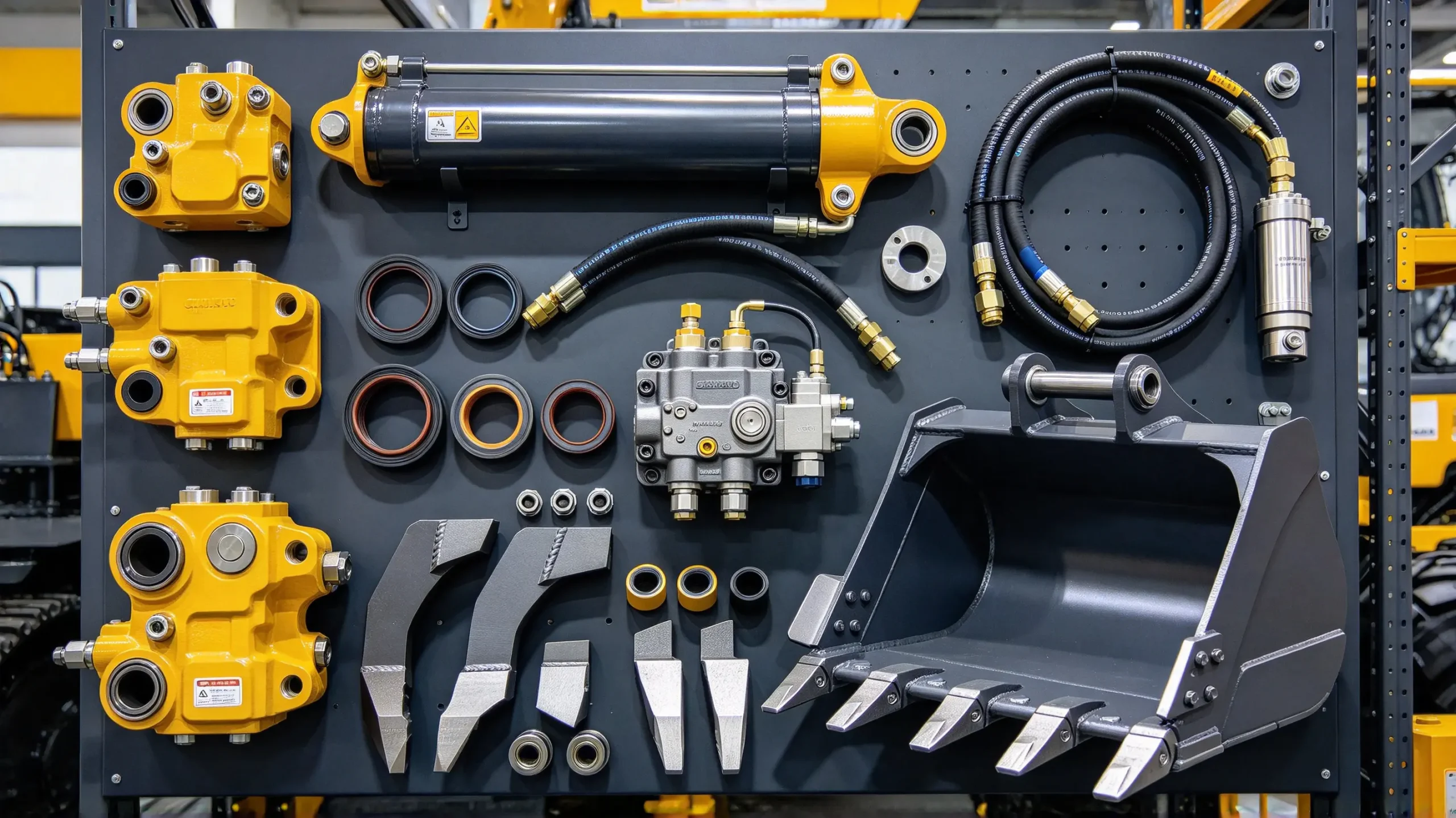
Having your own truck parts warehouse makes the difference between a profitable fleet and a company losing money on downtime. In our experience working with international suppliers, we have seen how the lack of buffer stock of critical components led to the shutdown of entire logistics routes for a period of 7 to 14 days. It's not just an inconvenience; This is a direct financial loss amounting to thousands of dollars per day for the average transportation company. When you are considering purchasingwholesale spare parts for trucks: warehousebecomes not just a storage location, but a strategic risk management tool.
Many buyers make the mistake of focusing solely on the unit price and ignoring the cost of holding inventory. We analyzed more than 200 contracts with suppliers from China, Europe and Turkey. The result showed that companies using a hybrid warehousing model (own warehouse + supplier's partner warehouse) reduce total operating costs by 18-22% compared to those who work on a just-in-time basis without safety stock. This article is based on real-life experience in supplying fleets of various tonnages and is intended to provide you with clear guidance on organizing an effective supply system.
In this material we will analyze the technical aspects of product selection, certification requirements (GOST, EAC, ISO), logistics nuances and criteria for assessing the reliability of a supplier. We will not use abstract marketing language. Instead, you will receive specific data, checklists and action algorithms that can be applied today.
Inventory formation strategy: ABC-XYZ analysis in practice
An efficient parts warehouse begins not with the purchase of racks, but with the correct classification of items. An attempt to purchase “everything at once” in bulk leads to freezing of working capital in dead weight. We use the ABC-XYZ matrix method, which allows you to accurately determine which parts should always be in your warehouse, and which can be ordered for a specific request.
Group A: Critical Assemblies (High Cost, High Risk of Downtime)
This category includes components whose failure will paralyze the operation of the vehicle. This includes high pressure fuel pumps (HPFP), turbochargers, engine control units (ECU) and transmissions. These positions are characterized by a high risk of market shortages and long delivery times for original analogues.
In our warehouse, we always keep at least 2-3 units of such components for every 50 trucks in the fleet. Why exactly so much? Failure statistics show that the probability of simultaneous failure of two injection pumps in a small fleet is extremely small, but if this happens, the wait for delivery from abroad will take 3 weeks. The cost of downtime for one tractor with a refrigerator can reach $500-800 per day. Thus, having one additional turbine in stock pays for itself in one downtime avoided.
Recommendation:Purchase Group A from ISO 9001:2015 verified manufacturers. Require the provision of test sheets for each piece of equipment before shipment. Don't skimp on this category by using noname products.
Group B: Regular Maintenance Consumables (Average Replacement Frequency)
These are filters (oil, fuel, air), brake pads, clutch discs and timing belts. These parts have a predictable wear cycle. A planning error here is less fatal than in group A, but also leads to unnecessary costs for urgent delivery.
We recommend forming a group B reserve based on mileage standards. For example, if your fleet averages 100,000 km per year and the oil filter change interval is 15,000 km, then approximately 7 filters per year are required per vehicle. For a fleet of 20 cars, this is 140 filters. We recommend keeping a stock in stock for 1.5 months of consumption, that is, about 18-20 filters, and purchasing the rest in bulk in batches once a quarter. This allows you to get a wholesale discount, but does not overload the warehouse.
Important nuance:Please note that the filters are compatible with different environmental standards (Euro-4, Euro-5, Euro-6). The Euro 6 filter has a different paper structure and throughput. Installing the wrong filter will lead to a drop in pressure in the system and an emergency operation of the engine.
Group C: Long-lasting and rarely replaced parts
This includes body elements, suspension parts (except silent blocks), glass, and interior elements. Demand for them is irregular and difficult to predict. Storing these parts in your own warehouse is often not economically feasible.
Instead of building our own Group C inventory, we enter into contracts with suppliers who guarantee the shipment of such goods within 24-48 hours. In this case, your warehouse functions as a transit point rather than a storage facility. You pay a little more per item, but save on storage space rental and property taxes.
| Category | Examples of parts | Recommended stock in warehouse | Refill frequency | Quality priority |
|---|---|---|---|---|
| Group A (Critical) | Injection pump, Turbines, ECU, gearbox | 2-3 pcs. for 50 cars | As consumed (monthly monitoring) | Original or Premium OEM |
| Group B (Consumables) | Filters, Pads, Belts | Reserve for 1.5 months of operation | Once a quarter (wholesale batch) | Certified analogue (EAC/GOST) |
| Group C (Rare) | Body parts, Glass, Optics | 0 (or minimum emergency dial) | To order (delivery time 2-5 days) | Geometry matching |
Using this matrix allows you to optimize procurementwholesale spare parts for trucks: warehouseworks as a buffer, and not as a dump for unnecessary hardware. Review the part category every 6 months as the aging fleet changes the needs profile.
Technical requirements and certification: protection against counterfeiting
The truck spare parts market is oversaturated with products of dubious quality. In our practice, there was a case when a batch of brake discs, purchased at a low price, failed after 5,000 km. The investigation showed that the metal had been improperly heat treated and did not meet the stated hardness. This almost led to a serious accident. To avoid such situations, it is necessary to tightly control certificates.
EAC and GOST certification: mandatory for the Russian Federation and the EAEU
If you operate in Russia, Kazakhstan, Belarus or other countries of the Eurasian Economic Union, the EAC (Eurasian Conformity) marking is mandatory for most components that affect traffic safety. This is not just a formality. The EAC marking confirms that the part has been tested for strength, wear resistance and safety in accordance with the technical regulations of the Customs Union.
When purchasing in bulk, ask the supplier for a copy of the certificate of conformity or declaration. Check the certificate number in the RosAccreditation register. Fraudsters often falsify documents, indicating non-existent numbers. We vet every new brand through a public registry before adding it to our list of approved suppliers.
ISO 9001 and production quality standards
The ISO 9001 certificate indicates that the plant has built a quality management system. This does not guarantee that every part will be perfect, but it does significantly reduce the likelihood of defects in the batch. For critical components (engine, transmission), we recommend looking for suppliers who are also IATF 16949 certified, a more stringent standard designed specifically for the automotive industry.
Pay attention to the packaging. Original spare parts and high-quality analogues are always clearly marked, including the batch number, production date and barcode. The absence of this information or blurry printing is the first sign of counterfeit. We once received a batch of bearings where the production dates on the box and on the product itself differed by two years. This meant that the bearings had not been stored in proper conditions and could have corrosion inside.
Checking geometry and materials
Even if documents are available, random control is necessary. For brake systems, use a thickness gauge and a hardness gauge. For filters - visual inspection of the quality of gluing and the condition of the sealing rubber bands. Low-quality rubber quickly hardens in the cold, which leads to the leakage of untreated air or fuel. In the Russian climate this is critical.
Action:Create an internal incoming control checklist for each product category. Do not accept goods into the warehouse without checking at least 10% of the lot randomly. This will save you time having to return the defective item later.
Logistics and warehouse management: minimizing costs
Purchasewholesale spare parts for trucks: warehouserequires competent logistics. Errors during transportation or storage can ruin even the highest quality parts. We have identified key aspects that affect the safety of cargo and the speed of its processing.
Packaging and palletizing
Truck parts come in different shapes and weights. Heavy parts such as brake drums or flywheels require heavy duty packaging. The use of wooden pallets is mandatory for shipments weighing over 500 kg. We insist that the supplier use stretch film with UV protection if the cargo will be exposed to the open air or in unheated containers for an extended period of time.
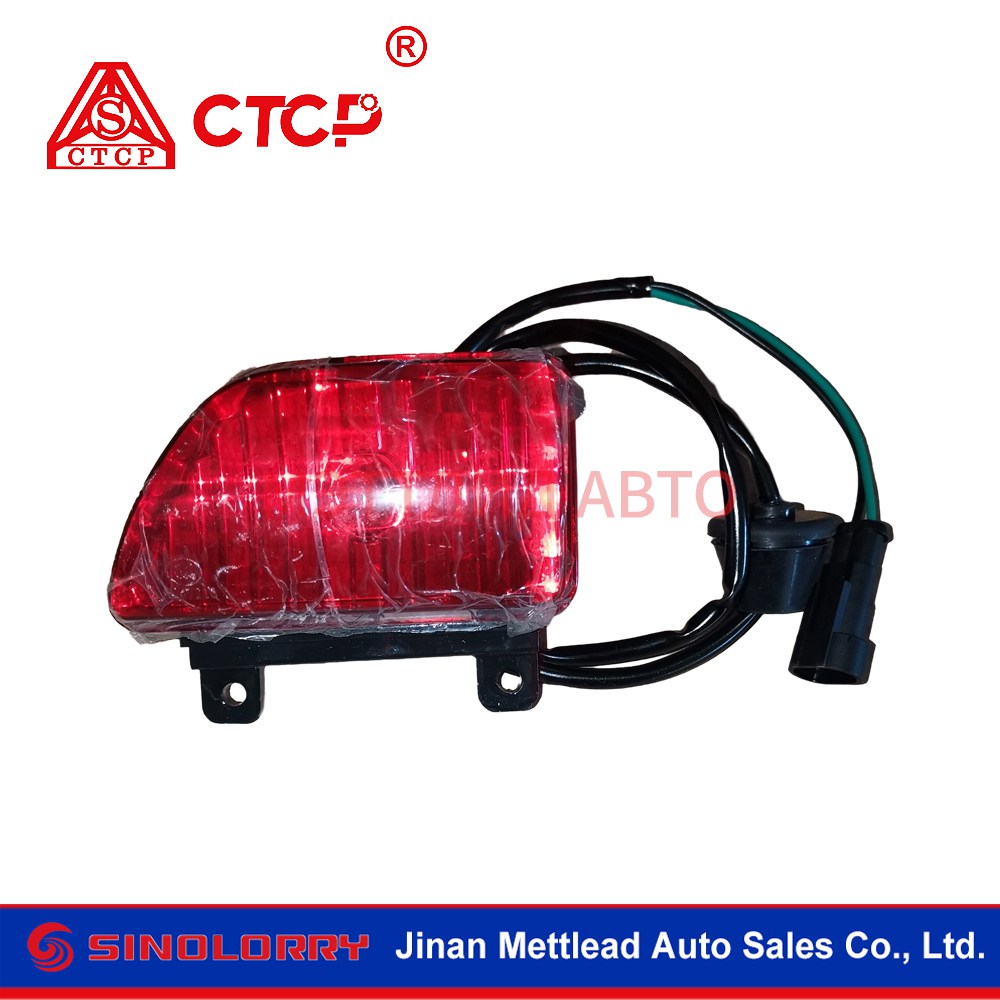
For fragile parts (headlights, sensors, electronics), individual packaging in polystyrene foam or bubble wrap is required. Boxes must be labeled with the “Top” side and marked “Fragile.” In our practice, there have been cases when boxes with electronic components were turned upside down, which led to damage to the connectors when stacked.
WMS (WMS)
Even a small warehouse should have an address storage system. Each shelf and cell must have a unique code. When a product arrives, it is scanned and linked to a specific cell. This speeds up the search for a part during repair from 15-20 minutes (searching “somewhere in the corner”) to 2-3 minutes.
We use simple WMS systems that integrate with 1C or Excel. The main rule: one detail - one place. If a part moves, the system must update instantly. Chaos in the warehouse leads to mechanics cannibalizing other cars for parts, creating even more chaos.
Climate control
Not all spare parts withstand changes in temperature and humidity equally. Rubber products (seals, pipes, air springs) age faster under high humidity and exposure to ozone. They should be stored in a dry, dark place at a temperature of +5 to +25°C. Metal parts are susceptible to corrosion. If the warehouse is not heated, metal surfaces must be preserved with anti-corrosion compounds.
Electronic components are sensitive to static electricity and condensation. Store them in the original antistatic packaging until installation. Condensation formed during a sudden temperature change (for example, when bringing a cold part into a warm workshop) can cause a short circuit when first turned on.
Tip:Conduct inventory at least once a quarter. Check physical availability with data in the system. Discrepancies reveal either theft or accounting errors that need to be corrected immediately.
Selecting a supplier: criteria for reliability and partnership
The market offers thousands of suppliers, but reliable partners can be counted on one hand. When choosing a company for wholesale purchaseswholesale spare parts for trucks: warehousemust be confident in the stability of supplies. We developed a supplier evaluation system that helped us weed out 80% of unreliable candidates.
Financial stability and reputation
Check the company's history. How long has it been on the market? Are there court cases regarding non-fulfillment of obligations? We use open data sources (SPARK, files of arbitration cases) to analyze potential partners. A company that has existed for less than 2 years carries increased risks, especially if it offers prices significantly below the market.
Ask for referrals from other clients. A true professional will not be afraid to give contacts of his major buyers. Call them and ask about delivery times, product quality and customer service response to complaints. One negative review about systematic delays should be a red flag.
Width of assortment and availability of our own warehouse
A supplier with its own warehouse in your country or region is preferable to one who transports goods to order from abroad. Having a local warehouse means you can receive a part tomorrow instead of a month from now. However, make sure that this warehouse actually exists. Ask for a video tour or visit in person.
The breadth of assortment is important for consolidating purchases. It is better to have one supplier who covers 80% of the needs than ten small ones with whom you need to maintain separate document flow. But beware of suppliers who claim to have everything. Specialization is often a sign of quality. A supplier who specializes in engine parts will likely offer greater expertise and better quality than a generalist.
Flexibility of conditions and handling of complaints
Mistakes happen. What matters is how the supplier responds to them. Clearly stated conditions for return and exchange of defects are a sign of professionalism. Avoid companies that require lengthy bureaucratic procedures for returns or refuse to accept defective goods without hard evidence. We are looking for partners who will offer replacements within 3-5 days while the investigation is ongoing.
Also pay attention to the possibility of a deferred payment or line of credit. This is an indicator of the supplier's trust and financial strength. If a company is willing to work with a delay, it means it is confident in its product and its client.
| Evaluation criterion | High score (Reliable partner) | Low score (Risk) |
|---|---|---|
| Time on the market | More than 5 years | Less than 1 year |
| Availability of warehouse | Own warehouse in the region, possibility of a visit | Dropshipping only, refusal to show warehouse |
| Document flow | Full package (waybills, certificates, invoices) | Work without VAT, no certificates |
| Reaction to marriage | Quick replacement, clear regulations | Refusals, lengthy examinations, shifting blame |
| Pricing | Market prices, transparent volume discounts | Dumping (below cost) or hidden commissions |
An example of a reliable partner: the experience of Jinan Metallic Auto LLC
In the context of searching for a reliable supplier from China that meets high quality and logistics standards, it is worth considering the example of the companyJinan Metallid Auto LLC. Located in Jinan, the industrial center of Shandong Province and the heart of the Chinese automobile industry, this company exemplifies the "quality first, customer first" approach we discussed above.
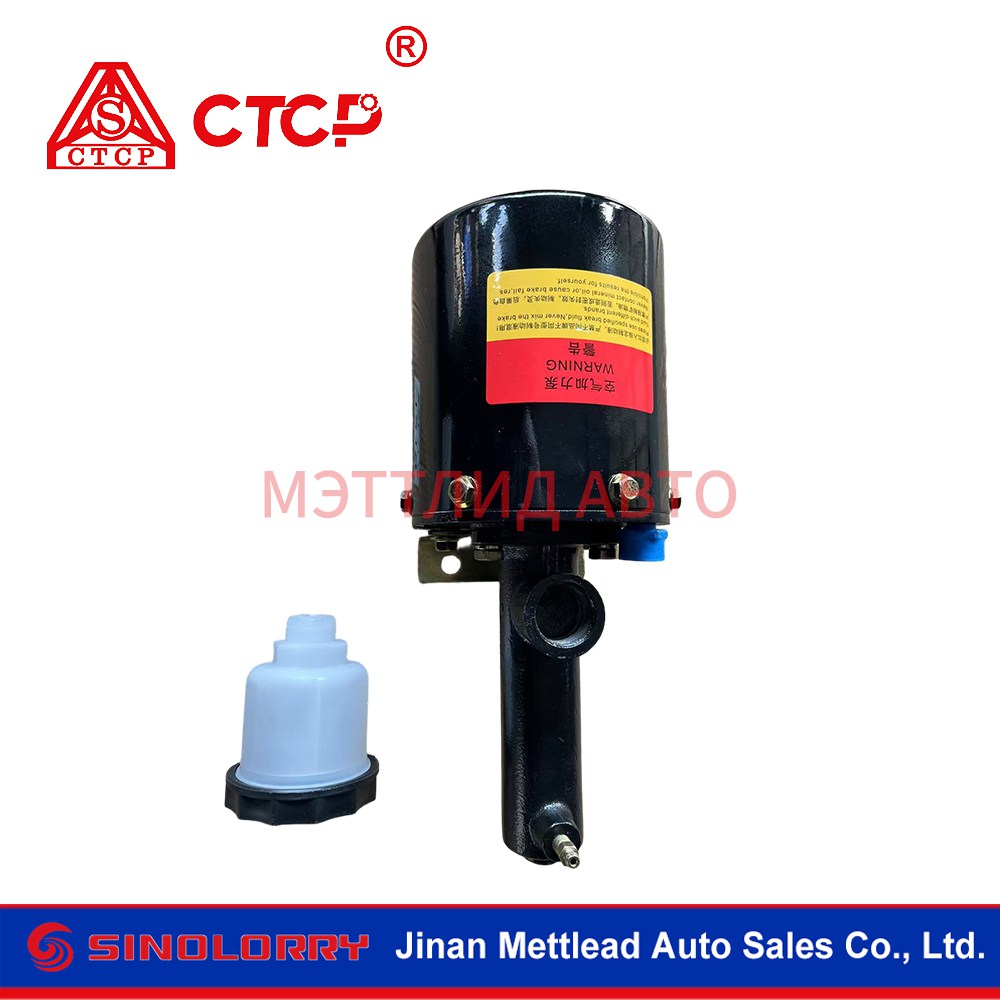
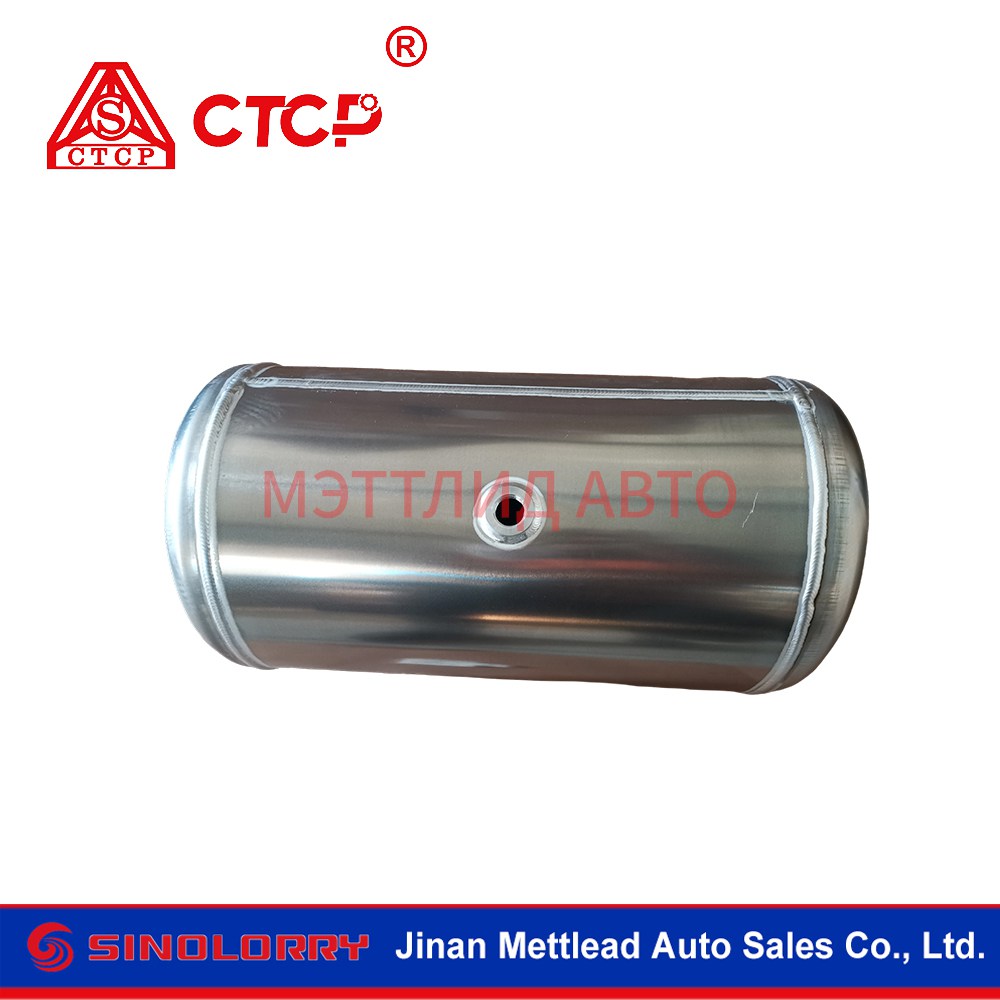
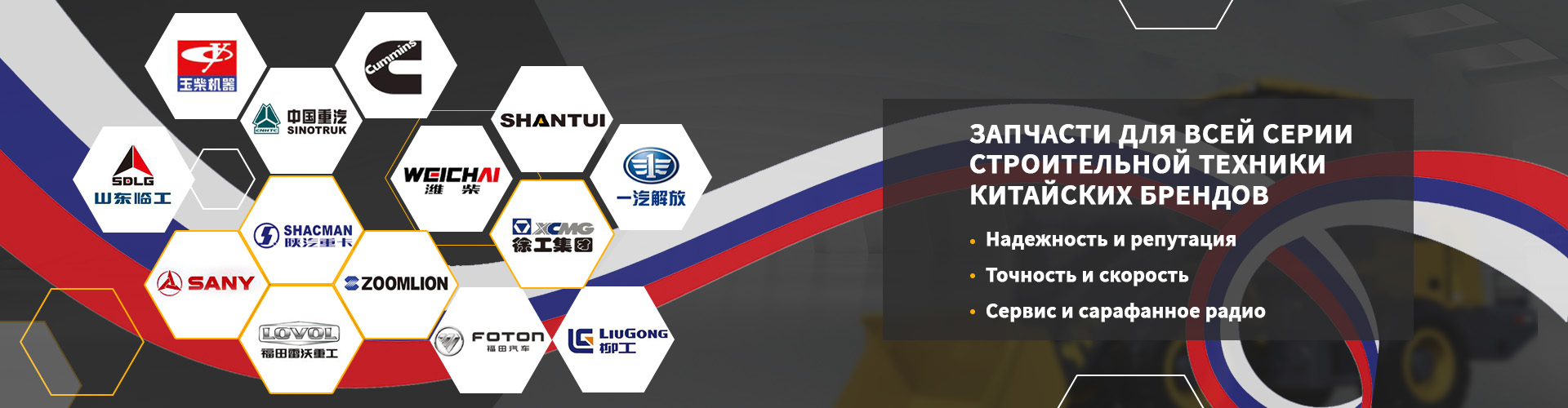
Jinan Metallid Auto specializes in the export of original and compatible spare parts for trucks, special equipment and buses. Their product matrix covers key brands of the Chinese automotive industry: heavy trucks SITRAK, HOWO, SHACMAN, FOTON, FAW, DONGFENG, BEIBEN, DFM; Weichai, Yuchai, Shangchai, Xichai, Deutz engines; as well as XCMG, Shantui equipment, King Long, Yutong buses and others. Such a wide range allows us to cover the needs of various vehicle fleets within the framework of one contract, which simplifies logistics and document flow.
An important advantage is their quality control system. Although the company does not have its own assembly lines, it implements strict multi-level controls at all stages: from checking technical specifications to final packaging verification. Each batch undergoes individual testing, which minimizes the risk of receiving non-conforming products. For Russian customers, especially in the Southern Urals and Central Siberia, Jinan Metallid Auto offers a comprehensive solution: from the selection of parts to customs clearance. Their service, which they call “butler-style service,” includes transparent order tracking, full technical documentation, and flexible packaging and labeling to suit the partner’s needs.
Jinan Metallid Auto team consists of international sales specialists with over 10 years of experience and technical engineers with over 15 years of experience. This ensures accurate selection of components and reduces technical risks for the customer. Cooperation with such partners, who have a strong reputation and deep expertise in specific brands (for example, Beiben Truck or DFM), is an excellent example of how the right choice of supplier affects the efficiency of the entire supply chain.
Cost Efficiency: Total Cost of Ownership (TCO) Calculation
Many buyers look only at the purchase price. This is a mistake. It is necessary to consider the total cost of ownership (Total Cost of Ownership - TCO). TCO includes the price of the product, logistics, customs duties, storage, order processing costs and the cost of downtime due to defective or missing parts.
Example: Part A costs 100 rubles, but is delivered within 30 days and has a 5% defect rate. Part B costs 120 rubles, is delivered in 2 days and has a 0.5% defect rate. For a critical component, Part B is more profitable, despite the higher initial price. Having your car idle while waiting for Part A will cost more than the difference in price.
We calculate TCO for each major part category. This allows us to justify the choice of more expensive but reliable suppliers to management. Use this technique in your company. Create a simple spreadsheet in Excel where you will enter all related expenses. In six months you will see the real picture.
Inventory optimization also affects TCO. Reducing inventory levels by 10% frees up working capital. But a decrease below the optimal level leads to increased downtime. Find balance. Use repair history data for accurate forecasting.
Frequently Asked Questions
How to check the authenticity of a spare part upon receipt at the warehouse?
Check the markings on the part body and compare it with the catalog number. Inspect the quality of casting or stamping: there are no burrs, holes or uneven coloring on the originals. Check the packaging for holograms and manufacturer's security marks. If possible, weigh the part: the weight of the original is often different from the fake due to the use of different alloys. Request a quality certificate from the supplier for this batch.
What is the minimum order quantity (MOQ) that wholesale suppliers typically have?
MOQ depends on part type and supplier. For consumables (filters, pads), the MOQ can range from 10-20 pieces per item. For large components (engines, gearboxes) the MOQ is often 1 piece, but the price will be higher than when purchasing a batch. Some suppliers offer mixed containers where you can pick up different items for a certain amount (for example, $5,000 or $10,000). Clarify the terms of MOQ flexibility during negotiations.
What to do if a defective shipment arrives?
Do not open the entire batch at once. Draw up a marriage certificate in the presence of a representative of the transport company or an independent expert. Take photographs of defects, packaging and labeling. Immediately notify the supplier in writing, attaching a photo and certificate. Do not use defective parts for repairs. Demand a replacement or refund according to the contract. Keep all samples until the dispute is resolved.
How to organize inventory of spare parts in a small warehouse without expensive software?
Use cloud spreadsheets (Google Sheets or Excel Online) with a simple interface. Create columns: Article, Name, Quantity, Minimum stock, Storage cell, Supplier. Use conditional formatting to highlight items where quantities are below minimum inventory. Introduce a strict accounting rule: any issue or acceptance must be recorded in the table on the same day. Conduct a complete reconciliation once a month.
Does the country of production affect the quality of spare parts for European trucks?
Yes, it does, but not always clearly. Original spare parts are produced in different factories around the world. Quality depends on the specific manufacturer, and not just on the country. Chinese factories operating under licenses from European brands produce high quality products. However, no-name products from regions with poor quality control can be risky. Always look at the brand and certifications, not just the country of origin. Check recalls for specific factory codes.
Conclusion and next steps
Organization of the supply system through the conceptwholesale spare parts for trucks: warehouseis a complex but necessary process for any serious transport business. We looked at how to correctly classify spare parts, what certificates to require, how to set up logistics and choose a reliable supplier. The main conclusion: do not chase the lowest price. Look for a partner who will ensure stability, quality and transparency of processes.
Start with an audit of your current warehouse. Perform ABC-XYZ analysis. Identify items that pose the greatest risk of downtime. Check the certifications of your current suppliers. If you see gaps in reliability or variety, consider expanding your partner pool.
We are ready to help you choose the optimal strategy for purchasing spare parts for your fleet. Our specialists have many years of experience in completing warehouses for international carriers and know all the pitfalls of this market.
Contact us todayto receive a personal commercial offer and advice on stock formation. Let's build an efficient and reliable supply system together.