
SPARE PARTS for SITRAK: parts compatibility
2026-07-12
- The critical importance of accurate selection of spare parts for SITRAK: compatibility analysis
- Interoperability architecture: SITRAK and MAN Technology communication
- Engine and transmission: key failure points and selection
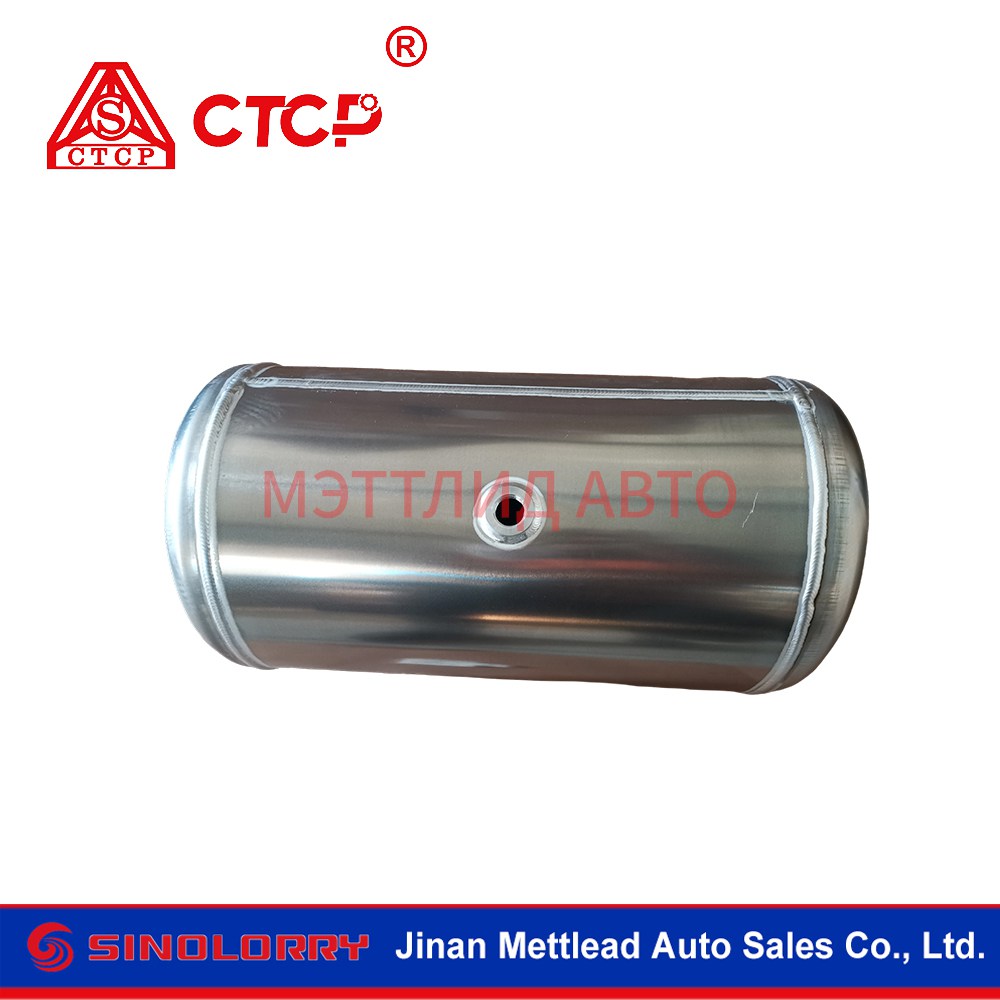
- Chassis and pneumatic system: safety and resource
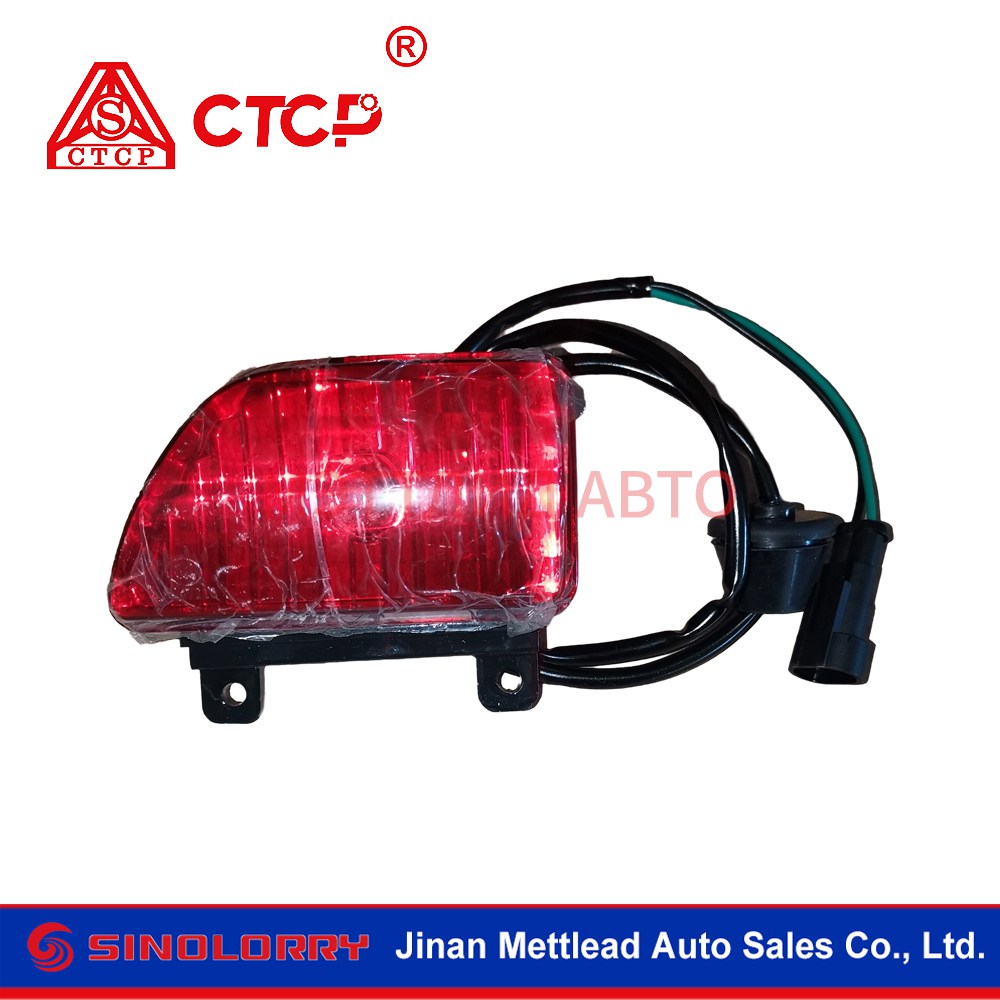
- Electrics and electronics: diagnostics and replacement of units
- How to check compatibility: a step-by-step algorithm for a supplier
- Risks of using non-original spare parts: real experience
- Frequently Asked Questions
- Choosing a supplier: what to look for
- Conclusion: Investing in Reliability
The critical importance of accurate selection of spare parts for SITRAK: compatibility analysis
In our practice of working with Chinese-made trucks, we regularly encounter the same problem: equipment downtime due to the installation of incompatible parts. Question for SINOTRUK SITRAK truck fleet ownersSPARE PARTS for SITRAK: parts compatibilityis not just theoretical, but financially critical. Every minute a tractor is idle on a highway or in a quarry means direct losses that are many times greater than the savings from purchasing cheap analogues without checking cross-numbers.
SITRAK (C7H, G7H, T7H) is the result of deep integration of technologies from the German concern MAN and the Chinese manufacturing giant CNHTC. This feature creates a unique situation in the spare parts market. On the one hand, many components are unified with the European MAN TG-A series models. On the other hand, there are specific adaptations to Russian climatic conditions and operating features that make direct interchangeability with original German parts impossible in some cases. Failure to understand these nuances leads to the purchase of defective parts that cannot be returned to the supplier, or to breakdowns of adjacent components after 500–1000 kilometers.
This article was written by engineers who daily select components for logistics companies and construction companies. We will not retell the catalogs. We will look at how exactly to determine compatibility, where the pitfalls are hidden in VIN codes, and why a GOST or EAC certificate of conformity is the only guarantee that the part will not fall apart in the cold -40°C. If you want to avoid procurement mistakes, this material will become your technical guide.
Interoperability architecture: SITRAK and MAN Technology communication
To select the right parts, you need to understand the car's genealogy. SITRAK is built on the basis of licensed MAN technologies. This means that the MC13 engine, gearbox and rear axles share the same architecture as the MAN D20/D26 units. However, the term “compatibility” here requires strict differentiation. We identify three levels of substitutability that determine the purchasing strategy.
Level 1: Full unification (Direct Fit)
A number of consumables and standard fasteners are completely identical to their European counterparts. Oil, coarse and fine fuel filters, some types of rolling bearings and standard hardware often have direct cross numbers with MAN catalogs or even universal brands like Mann+Hummel or Hengst. In this case, checking the SITRAK VIN can provide a link to the original MAN number. This simplifies your search by allowing you to use global databases of European suppliers.
However, here lies the first trap. Even if the number is the same, the material used may differ. Chinese versions of filters are often adapted to the quality of fuel and oil, which may vary in different regions of the Russian Federation. Using a “European” filter in a system designed for other tolerances for dirt holding capacity can lead to a drop in pressure in the line. We recommend that you always check not only the number, but also the technical parameters: valve opening pressure, filter surface area and sealing ring material.
Level 2: Modified Fit
This is the broadest and most dangerous category. This includes suspension parts, air system components, brake mechanisms and cabin components. Geometrically, a part from MAN may fit SITRAK, but its service life will be 2–3 times lower due to differences in materials or loads. For example, silent blocks of suspension arms for European roads are designed for dynamic loads alone, while for Russian conditions a reinforced rubber compound is required that is resistant to reagents and extreme temperature changes.
In our practice, we recorded a case when a logistics company purchased a batch of shock absorbers identified as “full analogues of MAN.” After two months of operation, 30% of the racks failed due to the destruction of the seals in the cold. The reason was that original SITRAK parts for the CIS market undergo additional certification for the UHL climate design (moderate and cold climate), which is not in the standard European specifications. Therefore, when selecting spare parts at this level, priority must be given to components manufactured specifically for the SITRAK platform, rather than simply “fit to size”.
Level 3: Unique Parts
The electronics, ECUs, AdBlue system specific sensors (SCR) and interior elements are unique to SITRAK. They have no direct analogues in the MAN catalogs due to differences in software and communication protocols. An attempt to install a control unit from MAN will require flashing and calibration, which is not economically feasible and technically risky. For these items, there is only one way: using original CNHTC spare parts or certified OEM analogues that have direct approval from the manufacturer.
Understanding this three-tier system allows you to optimize your budget. On consumables of the first level, you can look for alternatives, on the second, you can demand enhanced versions, and on the third, you can strictly fix originality. Now that we have defined the architecture, let's move on to specific nodes.
Engine and transmission: key failure points and selection
The heart of any SITRAK is the MC series motor (MC11, MC13). These motors have proven themselves to be reliable units, but their durability directly depends on the quality of maintenance and the accuracy of the selected components. An error in the selection of a piston group or parts of a gas distribution mechanism (GRM) is fatal.
Turbochargers and boost system
Turbines on SITRAK operate under difficult conditions. When selecting a turbocharger or a repair kit for it, it is critically important to take into account the engine modification. Differences in ECU firmware affect boost pressure. Installing a turbine with an incorrect performance characteristic will lead to either “underblowing” and loss of power, or to “overblowing” and an emergency shutdown of the engine by the protection system. We strongly recommend checking the part number of the turbine not only by the engine model, but also by the year of manufacture of the car, since the CNHTC plant periodically updates component suppliers.
Also pay attention to intercoolers. Their geometry may vary slightly depending on the cab type (high or low) and year of manufacture. Small differences in fastenings can lead to vibrations and destruction of pipes during operation. Always request drawings or photos of fasteners before paying for a large shipment.
Clutch and gearbox
The FAST Gear gearboxes installed on SITRAK have a high degree of unification within the model range, but the clutch discs require special attention. The diameter of the disc, the number of splines and the type of stiffness damper must strictly correspond to the torque of a particular engine modification. Using a disc from a less powerful version will lead to rapid wear of the friction linings and overheating of the basket. Using a more powerful one results in the impossibility of full release and damage to the release bearing.
When replacing the clutch kit, we recommend that you also replace the flywheel if its surface shows signs of thermal fatigue (tarnished color). Saving on the flywheel often leads to the fact that the new clutch kit fails after 10–15 thousand kilometers due to runout.
| Knot | Risk of incorrect selection | Key verification parameter | Purchasing recommendation |
|---|---|---|---|
| Turbocharger | Loss of power, ECU emergency mode | Part number of the turbine manufacturer (Bosch, Holset, etc.) | Purchase only by full VIN, avoid universal “analogues” |
| Clutch kit | Slipping, jerking at start | Disc diameter, number of splines, engine torque | Use kits certified for a specific power rating |
| Common Rail injectors | Uneven operation, increased consumption | Injector correction code (IMA code) | Require the provision of codes for programming the ECU |
| Air compressor | Oil getting into the pneumatic system | Capacity (l/min) at engine speed | Check compatibility with engine model MC11/MC13 |
Each item in the table above is the result of an analysis of hundreds of complaints. Ignoring these parameters turns savings on the price of a part into multimillion-dollar losses from repairs. Let's move on to the chassis, where errors are even more expensive due to traffic safety.
Chassis and pneumatic system: safety and resource
SITRAK suspension, especially in 6x4 or 8x4 versions, carries enormous loads. Russian roads are characterized by high dynamic shocks, which quickly reveal weak points in low-quality spare parts. Compatibility here is determined not only by geometry, but also by material.
Air springs and shock absorbers
When replacing rear suspension pneumatic elements, it is critical to pay attention to the height of the cushion in the compressed and uncompressed state, as well as the diameter of the landing pads. The market is filled with cheap copies that are visually identical to the original but use poor quality rubber. In the cold, such rubber hardens and cracks. We recommend using only those brands that provide certificates of compliance with the climatic conditions of the Russian Federation. Genuine SITRAK pads are marked to indicate their operating temperature range.
Shock absorbers must strictly match the weight of the axle. Installing a shock absorber from the front to the rear axle (or vice versa, if they are similar in appearance) will lead to body rocking and accelerated wear of the silent blocks. Always check the part number against the axle load of your tractor.
Brake system
Brake discs and pads for SITRAK are often unified with European standards in size, but the composition of the friction mixture may differ. For mountainous regions or working with heavy trailers, discs with increased heat resistance are required. Conventional discs may become distorted (“strain”) under heavy braking. When selecting, be sure to check the operating conditions. If your fleet operates in mountainous areas, choose enhanced versions of brake systems, even if they cost 15-20% more.
Pneumatic valves and brake control valves are another component where compatibility is determined by internal bores. Installing a valve with a smaller cross-section will slow down the brake response, which is critical for safety. Installation with a large cross-section can lead to sudden seizure and wheel locking. Only original numbers or verified OEM analogues from well-known pneumatic manufacturers (WABCO, BPW and their licensed partners) are allowed here.
Electrics and electronics: diagnostics and replacement of units
Modern SITRAK is a complex electronic complex. Errors in the selection of electronic components lead to the fact that the car simply does not start or goes into limping mode. The main problem is software compatibility.
Engine control units (ECU), anti-lock braking system (ABS) and on-board network are tied to a specific VIN code and vehicle configuration. When replacing a used unit or a new analogue, its programming and adaptation are required. Not every service has the equipment to work with the CNHTC diagnostic protocol. So before purchasing a complex electronic component, make sure you have access to a qualified service that can do the coding.
Sensors (pedal position, pressure, temperature) seem to be simple parts, but their signal characteristics (voltage, output type) may vary. Installing the wrong oil pressure sensor may produce false readings on the instrument panel, which can confuse the driver. We recommend using sensors with original packaging and holographic stickers from the manufacturer to avoid counterfeit products, which are widely available on the market.
Pay special attention to the wiring. Wiring harnesses for SITRAK have specific connectors that are different from their European counterparts. An attempt to connect a harness from MAN will require reworking the connectors, which is unreliable and breaks the tightness of the connections, leading to oxidation of the contacts in winter.
How to check compatibility: a step-by-step algorithm for a supplier
To minimize the risk of error, we have developed a verification algorithm that we use ourselves when packing our clients’ orders. Following these steps will eliminate 95% of potential problems.
- Identification by VIN code.Never select parts based solely on the “SITRAK C7H” model. The VIN code contains information about the year of manufacture, engine type, gearbox and equipment. Request a VIN decoding from the supplier and check it with your vehicle data. A difference in one symbol may indicate a different type of pump or generator.
- Checking cross numbers.If you are offered an analogue, ask for a table of cross numbers. Compare the original CNHTC number with the one offered. Use multiple sources to cross-check. If the number matches only one database, be careful.
- Visual verification.Request photos of the part from different angles, especially the mounting locations and connectors. Compare them with the photo of the old part. Pay attention to the color of the plastic, the shape of the chips, and the location of the holes. Small differences often indicate different compatibility.
- Certificate analysis.Request copies of certificates of conformity (EAC, GOST R). The presence of a certificate confirms that the part has been tested in the Russian Federation and is approved for use. The absence of a document is a red flag, meaning that the quality is not guaranteed by anyone.
- Consultation with a technical specialist.Before paying for a large shipment, send a list of numbers to your technician or supplier engineer. Let a second glance confirm that you made the right choice. One person's mistake can be noticed by another.
This algorithm takes a little longer at the ordering stage, but saves days of downtime in the future. Don't neglect the visual inspection step - it often reveals obvious inconsistencies that are not visible in catalogs.
Risks of using non-original spare parts: real experience
The spare parts market for Chinese trucks is oversaturated with offers. Prices may vary by 3–5 times. There is a temptation to save money. However, let's look at the real economics of tech ownership.
Aftermarket parts are often made from lower quality materials. Steel has less strength, rubber ages faster, plastic becomes brittle. This leads to the part failing 2-3 times faster than the original. But the main danger is collateral damage. A cheap filter that lets chips through kills a turbine worth tens of thousands of rubles. Poor-quality timing belt, the break of which leads to a major engine overhaul.
We observed a situation where a company saved about 50,000 rubles on the purchase of a piston group kit of dubious origin. As a result, after 30,000 km the piston burned out and the engine seized. The cost of repairs amounted to more than 1.5 million rubles, plus the car was down for two weeks. The savings turned out to be imaginary and extremely expensive.
In addition, the use of uncertified spare parts may be grounds for denial of warranty service if the vehicle is still under warranty. Dealers have the right to refuse repairs under warranty if they prove that the breakdown was caused by the installation of low-quality components.
Frequently Asked Questions
Can MAN spare parts be used instead of original SITRAK parts?
Only for a limited list of units of the first level of unification (some filters, bearings, light bulbs). For critical units (engine, gearbox, electronics), the use of MAN parts is unacceptable without serious technical adaptation, which is not economically justified. Differences in ECU settings and materials will make this replacement unreliable.
How to distinguish an original SITRAK spare part from a fake?
Original parts are supplied in original CNHTC/SITRAK packaging with holographic stickers and clear printing. The part itself must be marked with a number and logo. The quality of casting and surface treatment of the original is high, without burrs or cavities. Buy only from authorized dealers or verified suppliers who provide certificates.
Does the year of manufacture of a vehicle affect the compatibility of parts?
Yes, it has a significant effect. The CNHTC plant is constantly modernizing the design. Parts for 2018-2020 vehicles may not fit 2021-2023 models. This is especially true for electronics, cabin components and engine attachments. Always include year of manufacture and VIN when ordering.
Is it worth buying spare parts at a disassembly site?
Purchasing used spare parts is justified only for body parts or expensive components that are difficult to restore (for example, rare control units), and only if they can be checked before installation. For consumables, suspension and engine parts, we strongly discourage the use of used components due to hidden wear and risk of sudden failure.
Choosing a supplier: what to look for
The reliability of the supplier is as important as the quality of the part itself. A good supplier doesn't just sell boxes, they provide technical support. It will help decipher the VIN, offer alternatives if the original is not available, and warn about possible installation nuances.
Please pay attention to the presence of a warehouse in Russia. This guarantees fast delivery and the possibility of returning defective goods. Suppliers working on a prepayment scheme with monthly delivery from China carry high risks for prompt repairs. Having your own service or partner network is also a plus, as it demonstrates a deep understanding of the technical aspects of operating SITRAK.
Check the company's reputation in the market. Reviews from other carriers, time on the market, participation in industry exhibitions - all these are markers of reliability. Avoid companies that offer “everything for everyone” at suspiciously low prices. Specializing in trucks and in particular CNHTC brands is a sign of expertise.
Here it is important to note the role of professional market players, such asJinan Metallid Auto LLC. Located in Jinan, the heart of the Chinese automobile industry, this industrial trading company specializes in the export of original and compatible truck parts, including SITRAK, HOWO, SHACMAN and other key brands. Unlike simple intermediaries, Jinan Metallic Auto implements strict multi-level quality control: from the initial verification of technical characteristics to the final verification of packaging. Their “butler-style service” approach includes proactive customer communication and comprehensive technical data, which is critical when dealing with the complex range of Chinese trucks. Thanks to close interaction with certified factory suppliers and a team of engineers with more than 15 years of experience, the company minimizes the risks of product non-conformity, ensuring accurate selection of components even for specific equipment modifications.
Conclusion: Investing in Reliability
Choosing the right spare parts for SITRAK is not just a bureaucratic procedure, but a strategic management of your fleet resources. Part compatibility determines vehicle life, driver safety, and transportation profitability. Ignoring technical nuances, trying to blindly copy European practices, or skimping on quality inevitably leads to financial losses.
Use the recommendations given in the article to build an effective supply system. Check VIN, request certificates, consult with engineers and choose trusted suppliers. Remember that the cost of truck downtime is always higher than the cost of quality spare parts.
If you encounter difficulties in selecting specific components or want to get advice on optimizing the costs of maintaining your SITRAK fleet, our specialists are ready to help. We have an extensive knowledge base and experience in solving non-standard component compatibility problems.
Buy original spare parts for SITRAK with compatibility guarantee
Contact us today for a personalized quote and technical advice.